
Expert Toxic Mould Remediation to Protect Your Home and Health
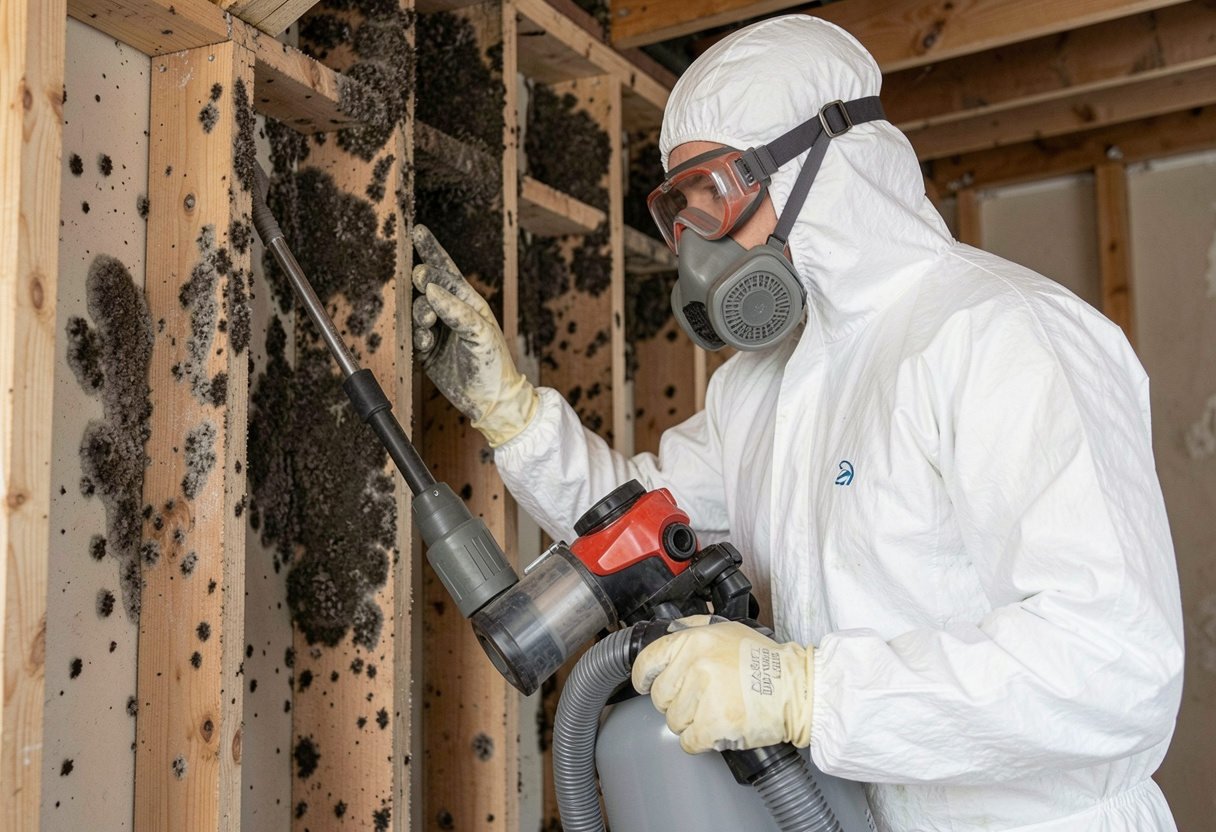
Not all mould problems are the same — and if you’re dealing with toxic mould in your Newcastle home, you already know that wiping it down with a spray from Bunnings isn’t going to cut it. Toxic mould remediation is a different category of work entirely. When toxigenic species like Stachybotrys chartarum are present, the danger isn’t just what you can see on the wall.
It’s the mycotoxins — chemical byproducts that embed themselves deep into building materials, settle into dust, and circulate through your air long after the visible growth is gone. Newcastle’s coastal humidity and ageing housing stock make conditions like these more common than most people realise, particularly in suburbs like Carrington, Wickham, and Tighes Hill where chronic dampness has been a problem for decades. Our certified toxic mould remediation team operates right here in Newcastle, and we handle these jobs from containment through to independent clearance testing — the full picture, done properly.

Toxigenic Mould Species Found in Newcastle Properties
Toxigenic Mould Species Found in Newcastle Properties
Pre-Remediation Air and Surface Testing
Before any work begins, we conduct air and surface sampling to establish a contamination baseline and confirm which species are present. This testing informs the remediation scope, guides our containment strategy, and creates the evidentiary record that insurers, property managers, and legal representatives may require later.
Occupant Evacuation and Site Preparation
All occupants and non-essential personnel are evacuated from the affected zone before remediation begins. Depending on contamination severity, this may extend to adjacent spaces. We don’t cut corners on this step — mycotoxins are airborne, and exposure during active remediation is a real risk that we take seriously.
Full Containment with Negative Air Pressure
We establish a fully sealed containment zone around the affected area using heavy-duty plastic sheeting and negative air pressure systems fitted with HEPA filtration. This prevents cross-contamination into clean areas of the building — any air movement pulls inward, not outward. It’s the same protocol used in asbestos and hazmat environments, because the risk level warrants it.
Full PPE for All Technicians
Every technician working inside the containment zone wears full personal protective equipment — P2 or P3 respirators, disposable protective suits, gloves, and eye protection. There are no shortcuts here. The same contamination risk that makes this job dangerous for occupants makes it dangerous for our team, and we protect both.
Removal and Safe Disposal of Contaminated Materials
All porous materials that cannot be decontaminated are removed — this includes plasterboard, insulation, carpet, underlay, and soft furnishings that have been directly exposed to toxigenic growth. Materials are double-bagged and disposed of in compliance with relevant waste management requirements.
HEPA Vacuuming and Surface Decontamination
Once contaminated materials are out, every remaining surface within the containment zone is HEPA vacuumed to capture residual spores and mycotoxin-laden dust. We then apply EPA-registered or TGA-compliant antimicrobial and antifungal treatments to all affected surfaces — walls, floors, framing timbers, and any other structural elements that remain.
HVAC and Duct Cleaning
Where the property’s air conditioning or ventilation system has been operating in or near the contaminated zone, duct cleaning is carried out as part of the remediation. HVAC systems are highly efficient at distributing mould spores through a building — leaving them untreated after a toxic mould event compromises the entire remediation.
Post-Remediation Clearance Testing
When the remediation work is complete, independent air testing is conducted by a third-party assessor — not our own team. This matters. Independent clearance testing is the only credible way to confirm the environment has been returned to safe levels, and it’s the standard that insurers, property managers, and courts recognise.


Documentation, Insurance, and Legal Considerations
Toxic mould events don’t always stay between a homeowner and a contractor. Sometimes there’s an insurer involved. Sometimes there’s a landlord who ignored repeated complaints. Sometimes there’s a strata dispute, or a property transaction where toxic mould was discovered after the contract was signed.
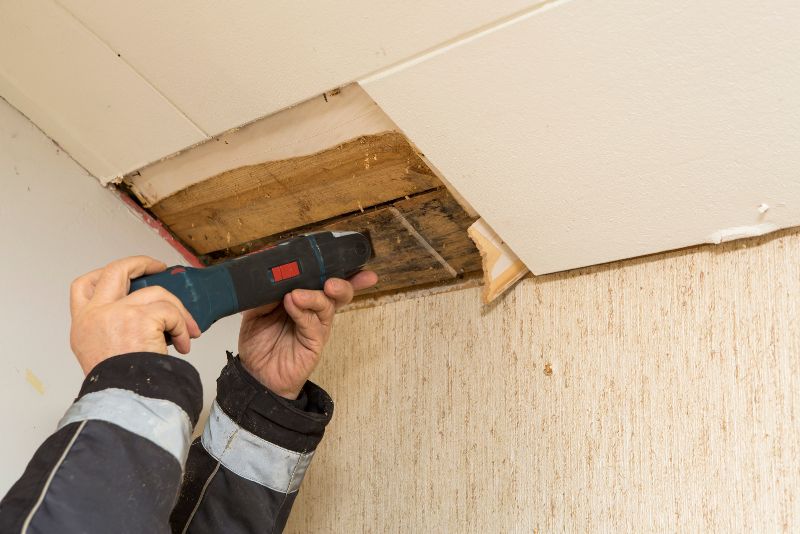
Every toxic mould remediation job we complete in Newcastle is fully documented from start to finish — pre and post testing results, photographic evidence of contamination extent and materials removed, products applied and treatment methodology, and the final independent clearance certification. That complete evidentiary package is available to you for any downstream legal or insurance purpose.
Newcastle Properties and Toxic Mould Risk
Newcastle’s combination of coastal humidity, an older housing stock, and a history of significant storm and flooding events creates conditions where toxigenic mould doesn’t just appear — it thrives.
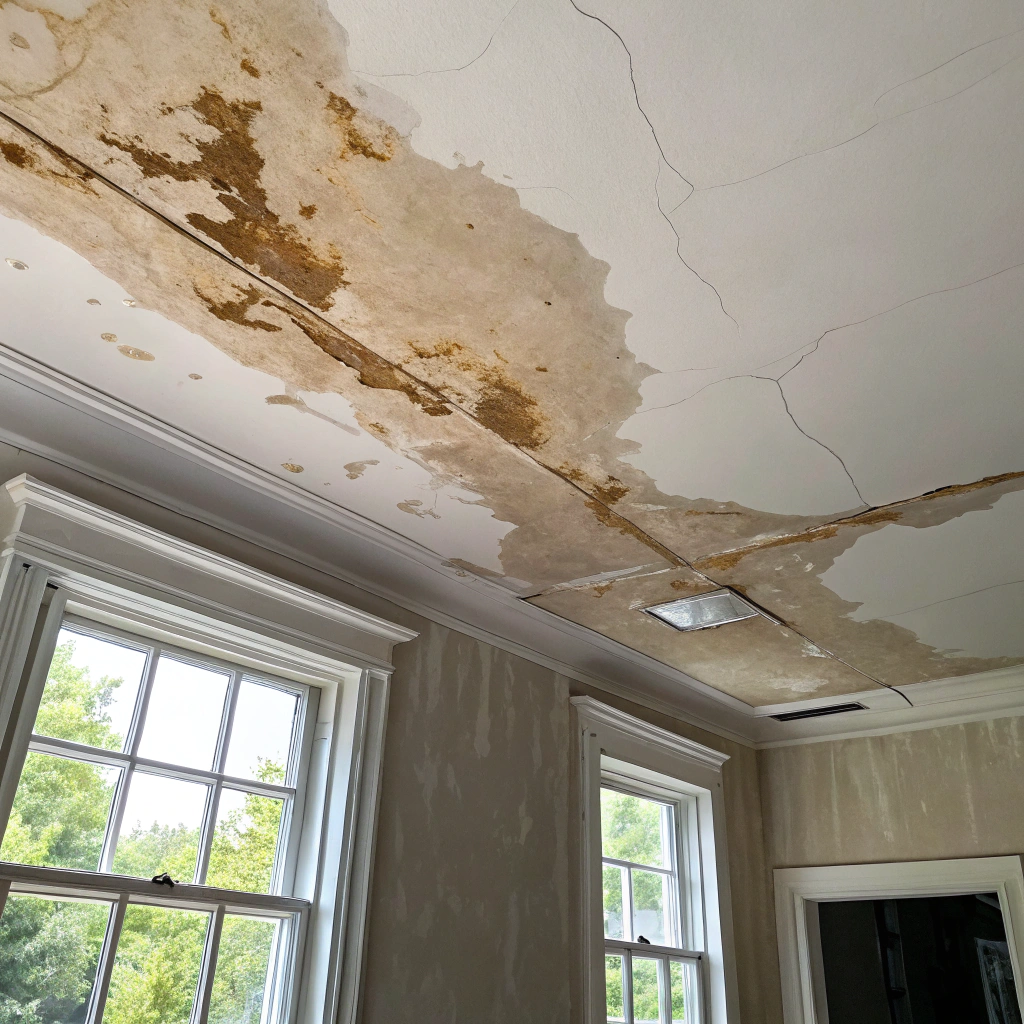
Properties that sustained water damage during East Coast Low events and had delayed repairs are particularly at risk. Stachybotrys chartarum requires sustained moisture exposure to colonise — the longer water sits in a wall cavity, subfloor, or roof space without being addressed, the greater the chance that toxigenic species have taken hold. By the time a homeowner notices a smell or sees discolouration on a wall, the contamination behind it may already be well established.
Why Newcastle Homeowners Choose Our Certified Team
We’re not a general cleaning company that offers mould removal as an add-on service. Toxic mould remediation is a specialist discipline, and our team is trained, certified, and equipped specifically for it. Here’s what you get when you work with us:
- Certified remediation technicians — trained to Australian mould remediation standards with the credentials to back it up
- Full containment and negative air pressure systems — the same hazmat-grade protocols used in asbestos remediation
- Independent post-remediation clearance testing — conducted by a third-party assessor, not our own team
- Complete documentation package — pre and post testing, photographic evidence, materials removed, products applied, and formal written clearance certification
- Experience across residential, strata, and commercial toxic mould events — from single rooms in family homes to multi-level strata buildings and commercial premises
- Local Newcastle knowledge — we know the suburbs, the housing stock, the weather patterns, and the types of properties where toxic mould risk is highest
Don't Leave Suspected Toxic Mould Unaddressed
If you’ve found black mould that keeps coming back, had a water damage event that wasn’t treated quickly, or you’re getting symptoms that your GP is linking to your home environment — suspected toxic mould is not a wait-and-see situation. Every week it sits there, mycotoxins are accumulating in your building materials, your dust, and your air.
Book an assessment with our Newcastle toxic mould remediation team today. We’ll confirm what you’re dealing with, explain exactly what the remediation involves, and give you a clear scope and quote with no hidden costs. The sooner it’s assessed, the sooner your home is safe again.
FAQs About Toxic Mould Remediation in Newcastle
How do I know if the mould in my Newcastle home is actually toxic?
You can’t tell by looking at it — colour alone doesn’t confirm a species, and that includes black mould. The only way to know for certain is air and surface testing by a certified assessor, which we carry out before any remediation work begins. Given Newcastle’s coastal humidity and the age of a lot of local housing stock, we do find toxigenic species more often than people expect.
How long does toxic mould remediation take in a typical Newcastle home?
Most residential jobs in Newcastle take between one and three days depending on how far the contamination has spread and how many materials need to be removed. Older homes in suburbs like Mayfield or Carrington often have more extensive damage simply because the building materials are more porous and the moisture has had longer to penetrate. We’ll give you a realistic timeframe after the initial assessment, before any work starts.
Can my family stay in the house during remediation?
No — and we won’t start work until occupants are out of the affected zone. Active remediation disturbs mycotoxin-laden spores and dust, and that’s not something you want circulating while kids or anyone with respiratory sensitivities is in the building. Depending on how large the containment area is, we’ll advise whether you can stay in another part of the property or whether the whole house needs to be vacated temporarily.
Will my home insurance cover toxic mould remediation in NSW?
It depends on the policy and the cause — insurers in NSW generally cover mould remediation when it’s directly linked to a sudden water damage event like a burst pipe or storm ingress, but they commonly exclude mould that developed from a gradual leak or poor ventilation. Our full documentation package — species identification, contamination extent, and remediation methodology — gives you exactly what you need to support a claim and gives your insurer no room to dispute the scope of work.
What happens if the mould comes back after remediation?
If the remediation was done properly and the moisture source was fixed, it won’t come back — that’s the point of certified remediation versus a surface clean. The independent clearance certificate we provide confirms the environment met safe re-occupancy standards at the time of testing, and our documentation records everything that was done. If mould does return, it’s almost always because a new or unresolved moisture issue is feeding it, which is a separate problem we can assess.
Is toxic mould remediation in Newcastle different for strata properties versus standalone homes?
The remediation protocol itself is the same, but strata jobs add a layer of complexity around building access, owner corporation approvals, and establishing which party is responsible for the source of moisture. In Newcastle’s inner-suburb apartment buildings and older strata complexes, waterproofing failures in shared balconies or rooflines are a common cause — and those need to be escalated through strata channels alongside the remediation work. We’re experienced working within strata environments and can provide the documentation that owners corporations and building managers need to move the process forward.
