
What Is Post-Mould Treatment Cleaning?
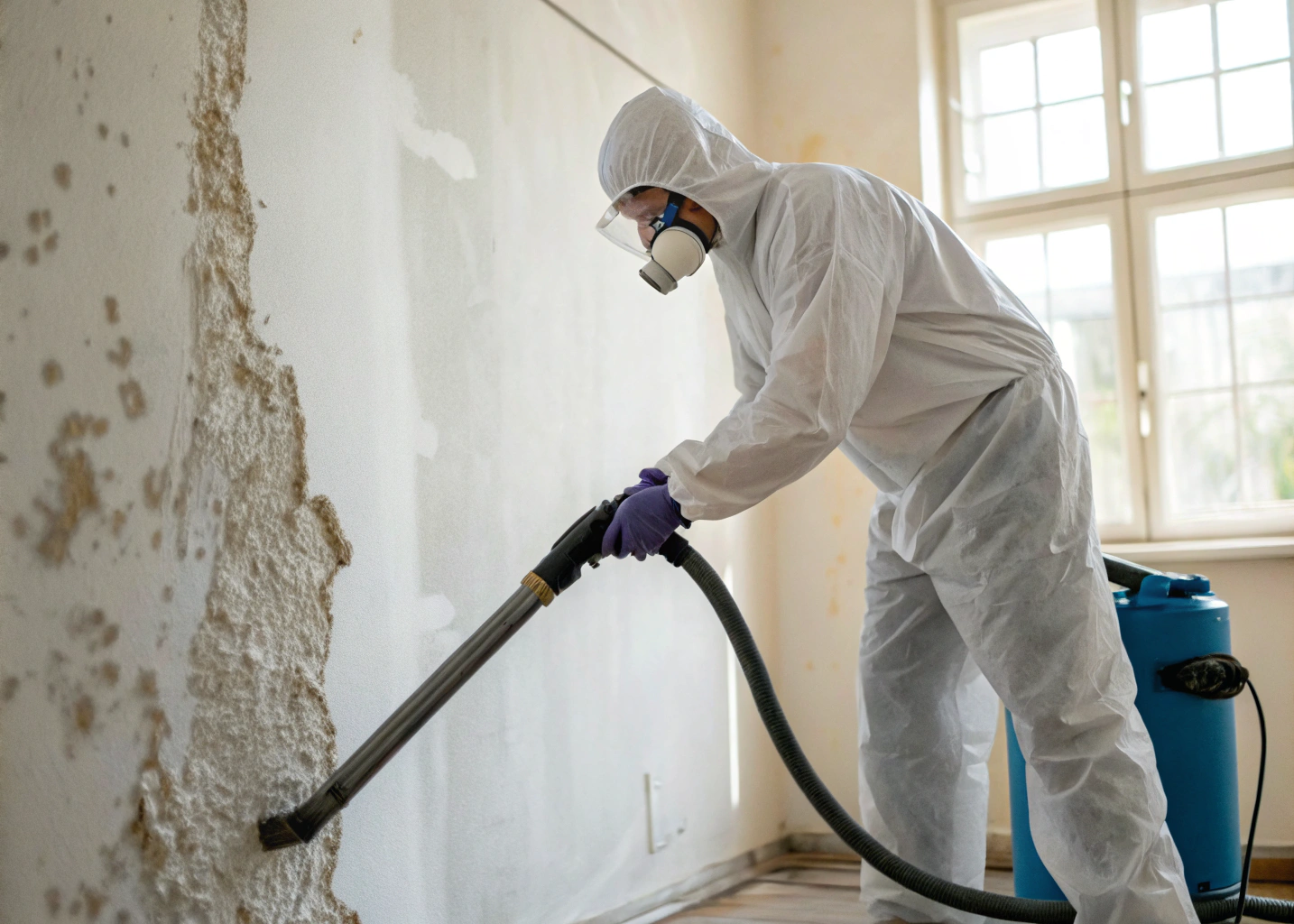
Post-mould treatment cleaning is the essential final step in any professional mould remediation process. Once the mould colony has been removed and the moisture source addressed, remediation activity leaves behind residual spore matter, treatment product residue, and debris that must be systematically cleared before the property is safe for reoccupation.
For Newcastle properties, a thorough post-treatment clean covers:
- HEPA vacuuming of all walls, ceilings, floors, and horizontal surfaces to capture settled spore matter and remediation debris
- Damp wiping of hard surfaces using appropriate cleaning agents to remove treatment product residue and surface contamination
- Deep cleaning of bathrooms and kitchens affected by remediation activity
- Soft furnishing and contents cleaning including carpets, curtains, and displaced items
- Air vent and exhaust fan cleaning to remove spore matter accumulated during treatment
- Final inspection walkthrough confirming all areas are clean and ready for reoccupation

Why Reoccupying Without a Post-Treatment Clean Carries Real Health Risk
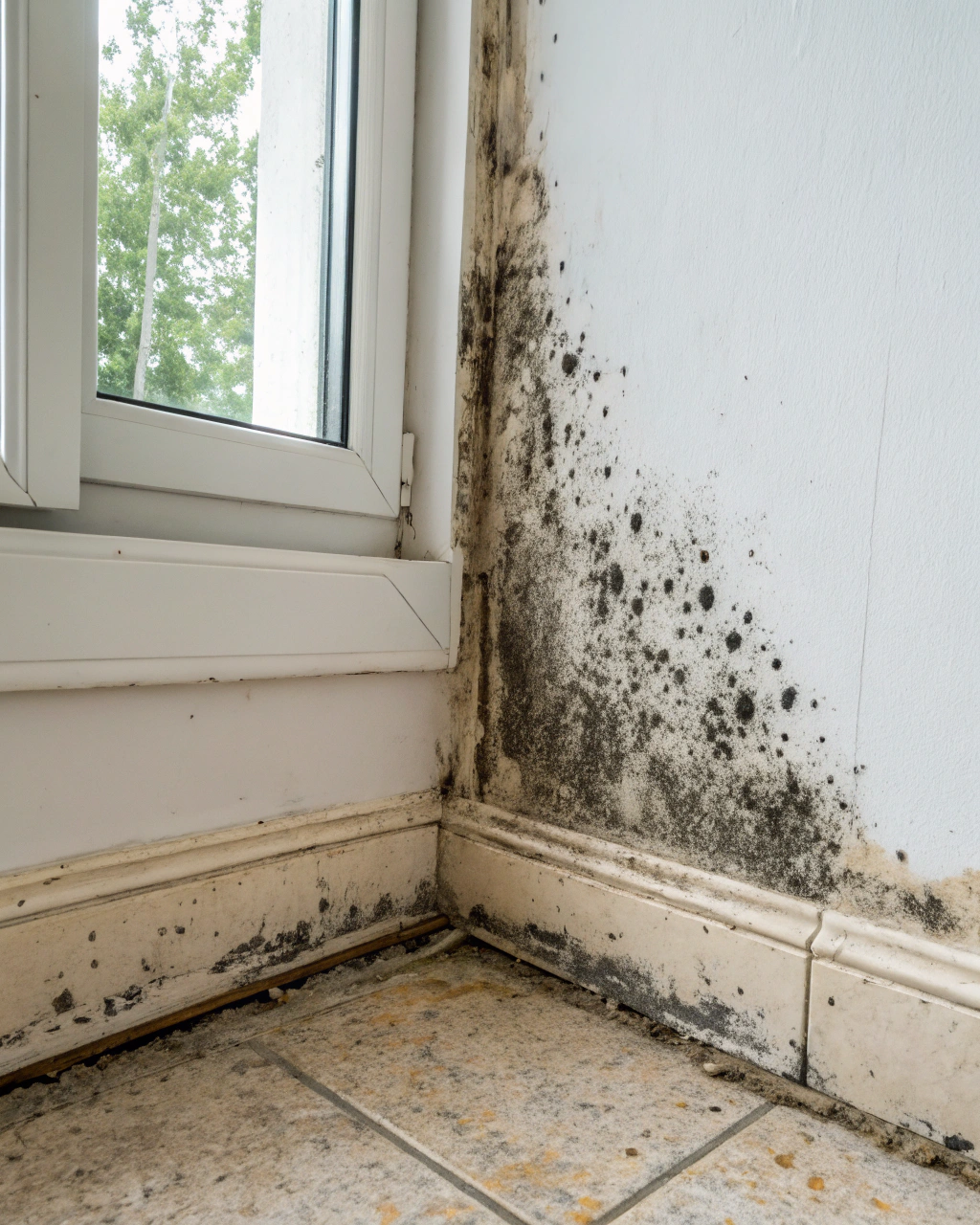
When we physically remove mould-affected material, the process disturbs and aerosolises spore matter — it doesn’t disappear, it redistributes and settles across surfaces throughout the remediated space, including areas well outside the immediate treatment zone.
Reoccupying without a post-treatment clean means the people moving back in are exposed to that residual spore load on an ongoing basis. That ongoing low-level exposure works directly against the health outcome the remediation was designed to achieve.
The risk is higher for children, elderly occupants, and anyone with a respiratory condition or compromised immune system — groups that make up a significant share of the Newcastle households we work in.
HEPA vacuuming followed by damp wiping is the accepted method for bringing post-remediation surface spore loads down to safe levels. Skipping that step leaves the job unfinished.
What Post-Mould Treatment Cleaning Actually Covers
This is a systematic, surface-by-surface process — not a general tidy-up. Every area touched by remediation activity gets methodical attention before we hand the property back.
Walls, Ceilings, and Floor Surfaces
We HEPA vacuum all vertical and horizontal surfaces then follow with damp wiping. Spore matter travels well beyond where the mould was visible and settles across the entire affected area.
Bathrooms, Kitchens, and Wet Areas
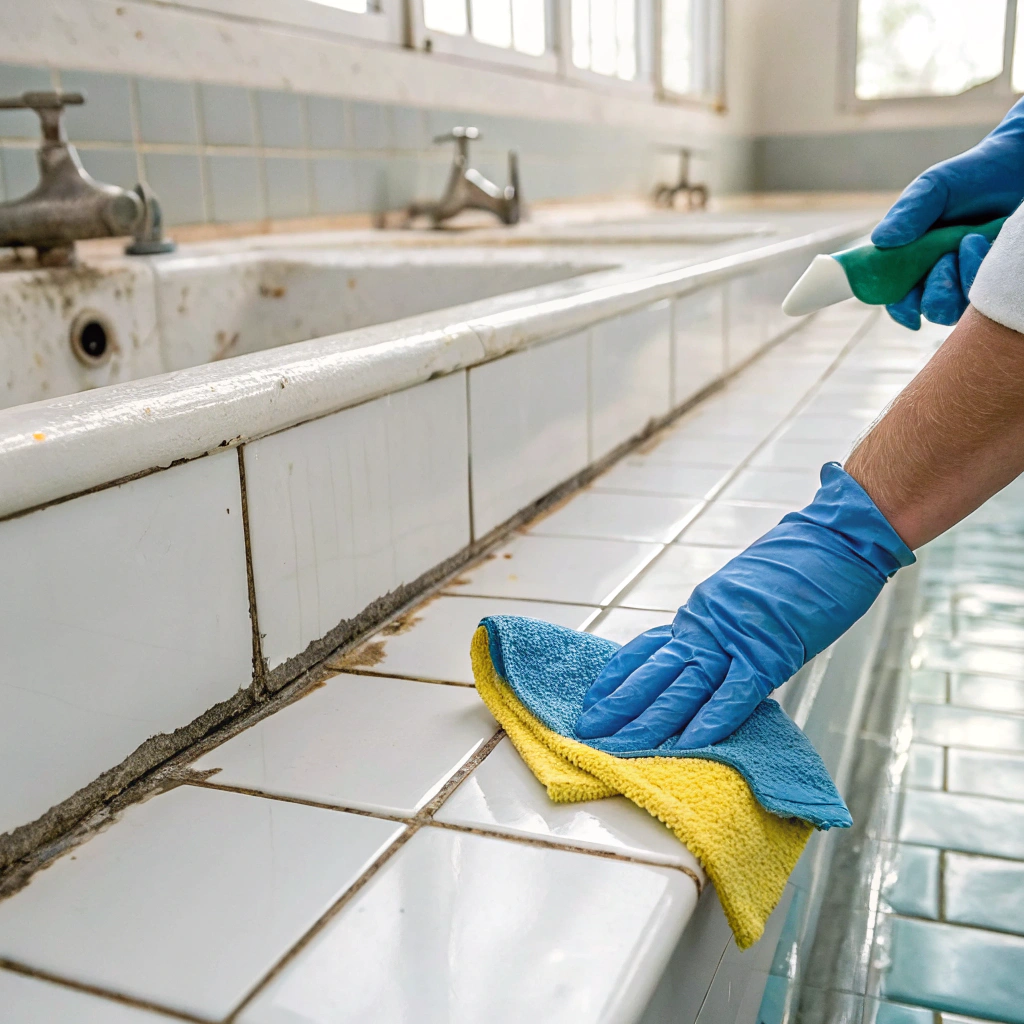
We deep clean all fixtures, tiles, grout lines, and bench surfaces. Treatment product residue concentrates in wet areas — thorough cleaning restores them to a hygienic standard before reoccupation.
Contents, Furnishings, and Soft Surfaces
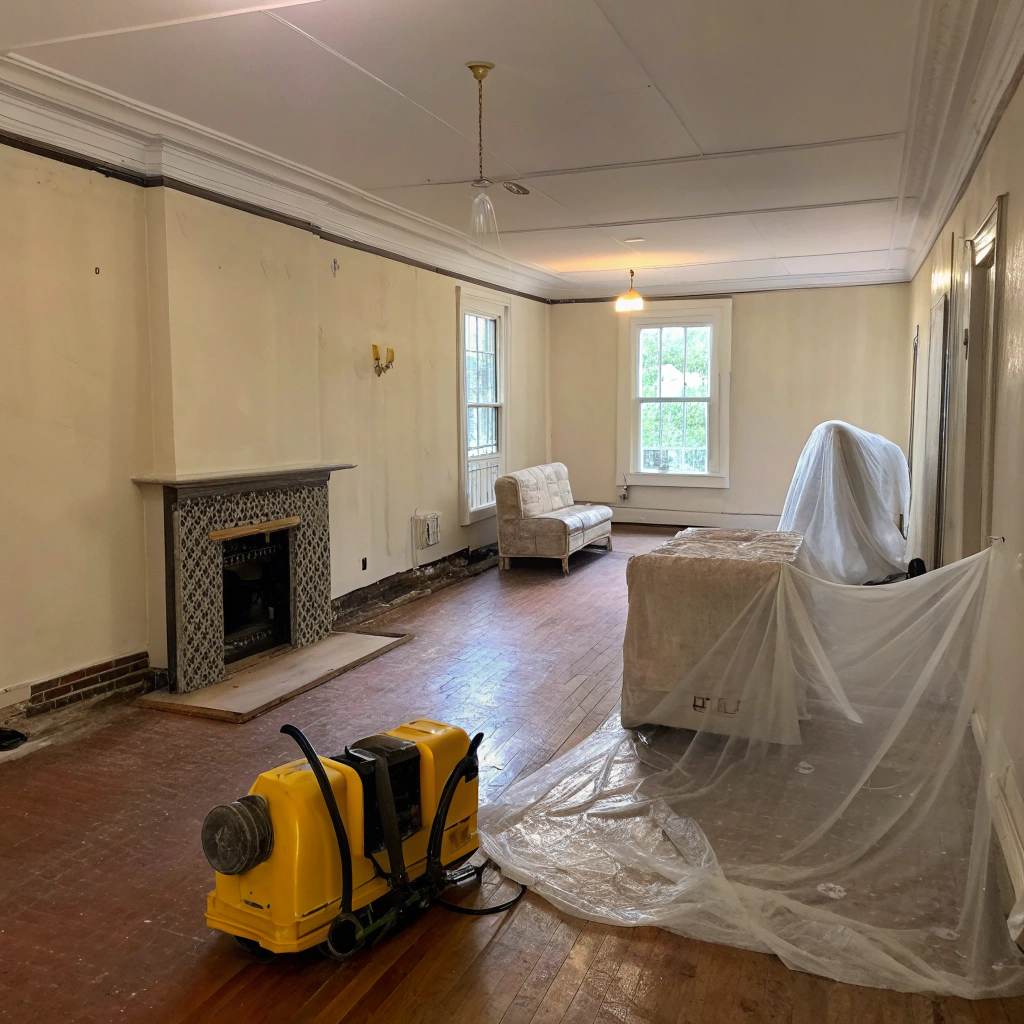
We clean and reposition all contents moved during remediation. Furniture, soft furnishings, curtains, and carpets all pick up spore matter during treatment and need attention before the space is genuinely clean.
Air Vents, Exhaust Fans, and Window Sills
We clean air vents, exhaust fan covers, and window sills — surfaces frequently missed in a standard clean. Spore matter left in vents recirculates through the space after reoccupation.
Final Inspection Walkthrough
We do a room-by-room check confirming all surfaces are clean, contents are repositioned, and the property is ready for reoccupation. This is our quality check before we sign off.
Where Post-Treatment Cleaning Fits in the Remediation Workflow
Remediation addresses the mould colony and the moisture source — post-treatment cleaning addresses what the remediation process itself leaves behind. The two steps are distinct, and the order matters.
We complete the post-treatment clean after remediation treatment and material removal, but before post-remediation air quality clearance testing. That sequence is important. Clearance testing conducted before post-treatment cleaning reflects disturbed remediation conditions — not the clean spore load the test is actually designed to measure. Testing after cleaning gives an accurate picture.
We manage remediation, post-treatment cleaning, and clearance testing as a single integrated workflow. One contractor, clear scope, clear accountability — no coordination between separate operators and no gaps in the handover between steps. For homeowners and property managers working through a remediation event, that simplicity has real practical value.
Newcastle Properties and the Post-Remediation Cleaning Requirement
Newcastle’s position at the Hunter River mouth with direct Pacific Ocean exposure creates year-round humidity pressure — driving higher mould remediation frequency than inland NSW markets. Post-treatment cleaning is a routine part of property restoration here, not an occasional add-on.
Older housing stock across Newcastle’s established suburbs — Federation homes, Californian bungalows, 1960s–1980s brick veneer — carries structural vulnerability to moisture ingress. Poor subfloor ventilation and no vapour barriers mean remediation activity often extends across larger affected areas than people expect.
Coastal salt air degrades window seals and weatherboards in suburbs like Merewether, Bar Beach, and Stockton, pushing moisture into wall cavities and distributing spore matter widely when remediation work is carried out.
Post-storm and East Coast Low water damage typically involves larger affected zones and more extensive post-treatment cleaning requirements. In Newcastle properties, scope and thoroughness matter.
The Post-Treatment Cleaning Report and What It Documents
Every post-treatment clean we carry out includes a service report documenting cleaning scope, surfaces covered, methods used, and completion confirmation. That written record has practical value well beyond the clean itself.
For property managers, the report goes straight into the file — particularly useful where remediation followed a water damage or insurance event. Insurance claim documentation benefits from a complete remediation and restoration record, and the post-treatment cleaning report fills that gap in the paper trail.
In tenancy disputes, a documented post-treatment cleaning report provides clear evidence the property was restored to a clean and habitable standard before reoccupation. That matters when obligations are questioned after the fact.
The report isn’t an administrative formality — it’s a tangible record of work completed, methods used, and a property signed off as ready for the people moving back in.
Newcastle’s Coastal Climate and Mould Remediation Demand
Newcastle’s dual water exposure — Hunter River humidity combined with direct Pacific Ocean salt air — drives mould growth in building materials year-round, not just through winter. That sustained pressure means mould remediation is a regular part of property maintenance across the city’s established suburbs, not a once-in-a-decade event.
A high proportion of Newcastle’s housing stock was built before 1980 — original single-glazed windows, no damp-proof membranes, minimal subfloor ventilation. These properties carry structural vulnerability to moisture ingress that makes mould growth more likely and remediation scope larger when it occurs.
East Coast Lows and coastal storm events regularly produce water ingress that goes undetected for weeks. By the time mould is visible, the affected zone is typically large and remediation is extensive.
Those conditions mean post-treatment cleaning in Newcastle needs to be thorough and systematic. Residual surface spore matter left behind in a high-humidity environment won’t remain inert — and in Newcastle, the humidity never truly lets up.
Frequently Asked Questions
It’s the final step after mould remediation. When we remove mould-affected material, spore matter gets disturbed and settles across surfaces throughout the property. We systematically clean all of those surfaces before anyone moves back in — without that step, the health outcome the remediation was designed to achieve is compromised.
We don’t recommend it. Standard cleaning methods don’t capture fine spore matter the way HEPA vacuuming does. Without the right equipment and method, you’re likely to redistribute spore matter rather than remove it. We use the correct tools and sequence to bring surface spore loads down to a safe level.
As soon as the remediation work and material removal are complete. We schedule the post-treatment clean immediately after remediation so the property can move to clearance testing and reoccupation without unnecessary delay.
Yes — and this is important. Clearance testing conducted before post-treatment cleaning reflects disturbed remediation conditions, not the clean result the test is designed to measure. We always complete the post-treatment clean before clearance testing is carried out.
We cover all surfaces in the remediated space — walls, ceilings, floors, wet areas, contents, soft furnishings, air vents, exhaust fans, and window sills. Spore matter settles well beyond the immediate treatment zone, so we don’t limit the clean to where the mould was visible.
Yes. Every post-treatment clean includes a written service report documenting the cleaning scope, surfaces covered, methods used, and completion confirmation. That report is useful for property management files, insurance claims, and tenancy documentation.
Book Post-Mould Treatment Cleaning in Newcastle Today
The remediation isn’t complete until the post-treatment clean is done. If you’ve recently had mould remediation carried out — or you’re currently working through a remediation event — we’re ready to step in and finish the job properly.
We offer post-mould treatment cleaning as a standalone service or as part of an integrated remediation package. Either way, you get a systematic clean, a service report, and a property that’s genuinely ready for reoccupation.
Call Mould Removal Newcastle Experts today on 02 4072 2397.
Our Newcastle team is ready to talk through your property, confirm scope, and get the clean booked in at a time that works for you. Click to call on mobile or reach out to discuss an integrated package if remediation is still in progress.
