
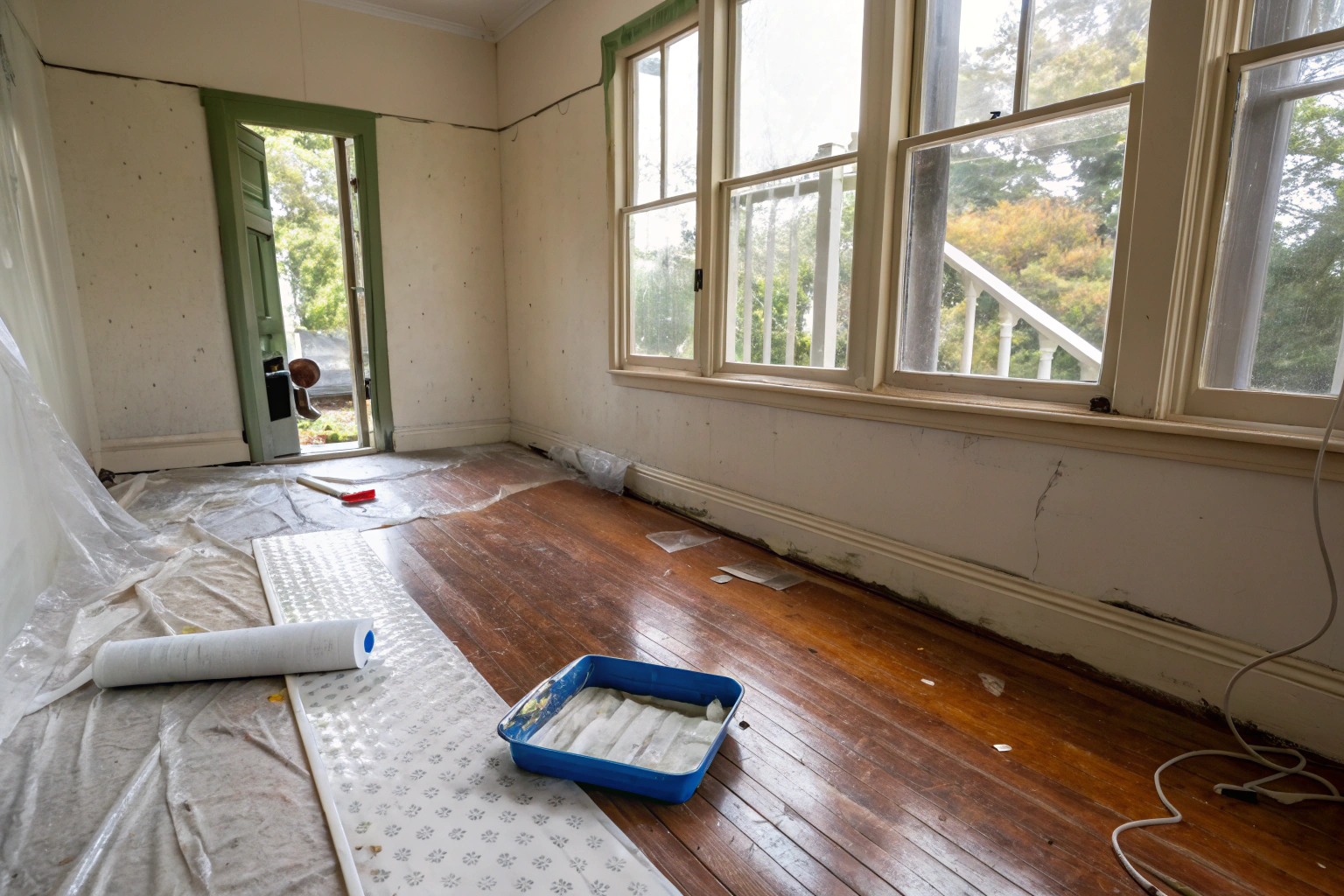
What Are Professional Mould Prevention Treatments?
Professional mould prevention treatments are a category of applied protective services designed to deny mould the two conditions it requires to establish — moisture and a suitable surface substrate. Where consumer sprays sit on the surface and degrade within weeks, professional-grade treatments penetrate, bond, and create durable barriers that inhibit spore germination and colony formation over significantly longer timeframes.
The treatment scope covers a range of surfaces and environments — walls and ceilings, wet area grout and tile, timber subfloor members, roof cavity timbers, silicone joints, and subfloor ground surfaces — each requiring a different product formulation and application method to deliver effective, lasting protection.
Prevention treatments work alongside ventilation and moisture control improvements rather than in isolation. Applying an antimicrobial coating to a surface that remains saturated with condensation or rising damp delivers limited long-term benefit. Effective mould prevention addresses both the biological barrier at the surface level and the moisture conditions driving mould pressure, which is the foundation of how we structure every prevention program we deliver in Newcastle.

Whole-House Ventilation Assessment and Moisture Control
Whole-house ventilation assessment identifies the air circulation gaps across an entire property that localised exhaust fans and spot treatments cannot address. Mould pressure in Newcastle properties rarely originates from a single source — it accumulates across multiple under-ventilated zones that collectively create a high-humidity internal environment, even in properties where individual rooms appear adequately aired.
Our assessment maps air movement pathways throughout the property, identifying rooms and transition zones where stagnant air, thermal bridging, and insufficient cross-ventilation are allowing humidity to concentrate. Common findings in Newcastle’s older housing stock include blocked subfloor vents obscured by garden growth or renovation debris, ceiling spaces with inadequate ridge ventilation, internal bathrooms exhausting into ceiling cavities rather than externally, and closed floor plans in renovated Federation and bungalow-style homes where original ventilation pathways have been sealed.
Findings are delivered as a structured moisture control recommendation covering ventilation upgrades, exhaust fan improvements, and any surface treatment priorities identified during the inspection — giving property owners and landlords a clear, actionable prevention plan rather than a generalised assessment with no defined next steps.
Antimicrobial Surface Coatings for Walls and Ceilings
Antimicrobial surface coatings are the primary prevention treatment applied to walls and ceilings in mould-affected or mould-prone properties. Unlike standard paint or surface sealers, professional-grade antimicrobial coatings incorporate active biocidal agents that remain effective at the surface level for extended periods — inhibiting spore germination and preventing the colony establishment that turns minor contamination into a visible mould problem.
We apply antimicrobial coatings across a range of interior surfaces including plasterboard, render, fibrous cement sheeting, and painted masonry — the surface types most commonly affected in Newcastle’s older housing stock. Application follows thorough surface preparation to maximise adhesion and treatment penetration, with product selection matched to the moisture exposure level and surface porosity of each specific area.
High-priority treatment zones in Newcastle properties include south-facing bedrooms with limited solar gain, bathrooms and laundries without adequate exhaust ventilation, subfloor-adjacent rooms where ground moisture migrates upward through flooring, and wall cavities facing coastal exposure in suburbs like Merewether, Stockton, and Bar Beach, where salt-air moisture ingress accelerates surface degradation.
Antimicrobial Silicone Replacement in Bathrooms and Kitchens
Silicone joints in bathrooms and kitchens are among the first surfaces to show mould growth in any property — and among the most persistently difficult to keep clean. Standard silicone is a porous, flexible substrate that absorbs moisture and provides an ideal surface for mould spore attachment and colony establishment. Surface cleaning removes visible growth temporarily, but spores embedded within the silicone body continue to propagate. Replacement is the only effective long-term solution.
We remove existing silicone completely, prepare the substrate, and install antimicrobial silicone formulations that incorporate biocidal agents throughout the product body rather than just at the surface. This delivers mould resistance through the full depth of the joint rather than a surface-only barrier that degrades with cleaning and moisture exposure.
Priority replacement zones include shower recesses, bath surrounds, vanity junctions, kitchen splashback perimeters, and sink surrounds — the high-moisture contact points where standard silicone deteriorates fastest in Newcastle’s humid coastal conditions.
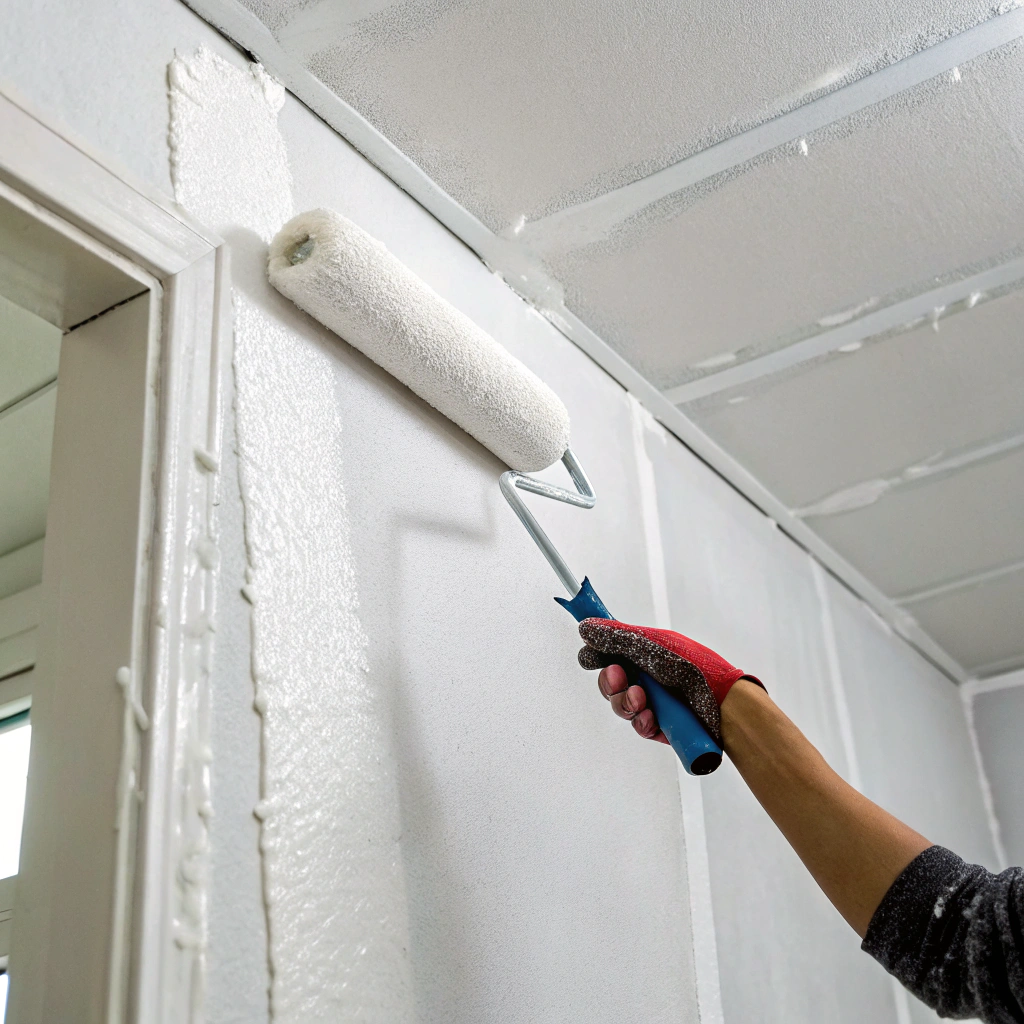
Mould-Inhibiting Primers and Paints for Post-Remediation Repainting
Mould-inhibiting primers and paints are a purpose-specific product category applied during the repainting phase that follows mould remediation. Freshly remediated surfaces are clean but unprotected — standard interior paint applied over a treated surface provides no resistance to re-colonisation, leaving the property exposed to the same mould pressure that drove the original problem. Applying a mould-inhibiting primer as the base coat and a mould-resistant topcoat as the finishing layer builds active biological protection directly into the painted surface system.
The primer and paint system we apply during post-remediation repainting delivers several specific protective functions:
- Seals residual surface porosity left by remediation treatment, eliminating micro-surface conditions that support spore attachment
- Delivers biocidal activity at the paint film level, inhibiting germination on the treated surface
- Performs in high-humidity environments — formulated for the persistent moisture conditions found in Newcastle bathrooms, laundries, and coastal-facing rooms
- Compatible with antimicrobial coating systems applied as an additional protective layer over the paint finish
Used as part of a structured post-remediation prevention program, mould-inhibiting primers and paints represent the minimum protection standard we recommend for any surface that has previously supported mould growth.

Ground Moisture Barriers for Subfloor Mould Prevention
Subfloor spaces in Newcastle’s older housing stock represent one of the highest-risk mould environments in any property. Timber bearer and joist systems sitting above bare earth are exposed to continuous ground moisture vapour rising from the soil — a moisture source that operates regardless of weather conditions and intensifies during and after the heavy rainfall events that accompany East Coast Lows tracking up the NSW coast.
A ground moisture barrier — a heavy-duty polyethylene membrane installed across the subfloor ground surface — physically interrupts that vapour pathway, reducing the moisture load on subfloor timbers and the interior floor structure above. The reduction in ambient subfloor humidity directly lowers the conditions available for mould colonisation on structural timbers, insulation batts, and flooring materials.
Installation is combined with a subfloor ventilation assessment to confirm airflow is adequate to manage residual moisture — barrier installation without sufficient ventilation can concentrate moisture rather than eliminate it, undermining the protection the barrier is designed to deliver.
Dehumidifier Solutions for High-Risk Areas
Where ventilation improvements alone are insufficient to manage moisture loads in enclosed or poorly aired spaces, dehumidifier installation provides active humidity control that passive ventilation cannot deliver. For Newcastle properties, the spaces most commonly requiring dehumidifier solutions are subfloor cavities, basements and undercroft areas, enclosed laundries, and bedrooms in south-facing orientations where limited air movement allows humidity to accumulate between ventilation cycles.
We assess each high-risk area against its specific moisture profile — ambient humidity levels, air volume, moisture sources, and existing ventilation capacity — before specifying a dehumidifier system matched to the actual load rather than a generic unit undersized for the environment it is managing.
For subfloor spaces and enclosed areas with limited access, we specify and install ducted or remotely drained dehumidifier systems that operate continuously without requiring regular manual emptying — a practical requirement for the subfloor environments beneath Newcastle’s older timber-framed homes, where access is limited, and humidity pressure is constant year-round.
Post-Remediation Prevention Programs — Protecting Freshly Treated Surfaces
Freshly remediated surfaces are clean — but unprotected. Without prevention measures applied immediately following remediation, the moisture conditions that drove the original mould growth will re-establish colony formation on treated surfaces within weeks. A completed remediation without a structured prevention program addresses the symptom while leaving the cause intact.
Our post-remediation prevention program is structured around four components delivered as a single coordinated package:
| Component | What It Delivers |
|---|---|
| Antimicrobial coating application | Active biological protection applied to all remediated surfaces before repainting |
| Mould-inhibiting primer and paint system | Biocidal protection is built into the repainted surface finish |
| Ventilation and moisture assessment | Identifies and addresses the moisture conditions driving original mould growth |
| Scheduled re-inspection | Confirms prevention measures are performing as intended at a defined follow-up interval |
We position post-remediation prevention as the responsible completion of a remediation project — not an optional add-on. Properties across Newcastle’s inner suburbs, including Hamilton, Mayfield, Charlestown, and New Lambton, regularly cycle through reactive remediation without prevention follow-up, producing the recurring mould problems that bring the same properties back for treatment season after season.



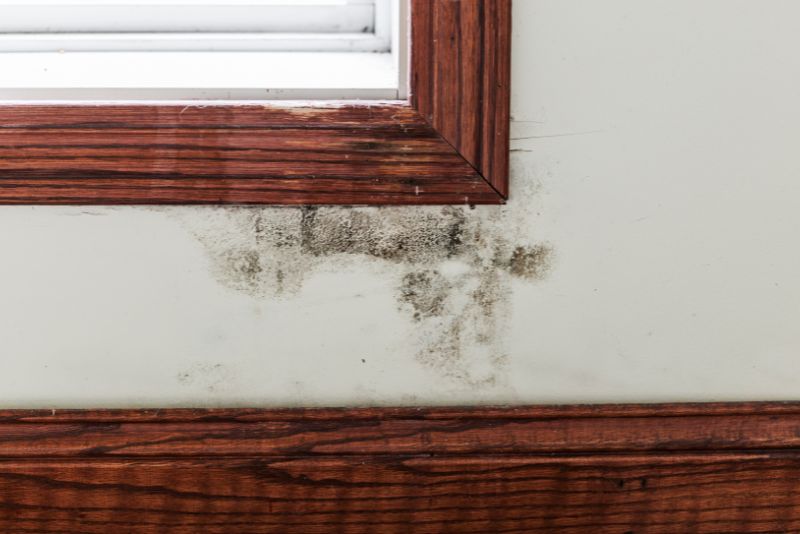
Frequently Asked Questions About Mould Prevention Treatments in Newcastle
Mould remediation removes existing mould growth from affected surfaces. Prevention treatments apply antimicrobial barriers and moisture control solutions after remediation to stop mould re-establishing — addressing the conditions that drive recurrence rather than the visible symptom alone.
Professional-grade antimicrobial coatings deliver significantly longer protection than consumer products — typically several years depending on surface conditions, humidity exposure, and maintenance. We offer scheduled re-treatment programs to maintain active protection as coating performance approaches the end of its effective lifespan.
Yes. Prevention treatments are appropriate for properties with no current mould problem as a proactive measure, and for surfaces showing early-stage mould pressure before full colonisation establishes. A prevention assessment determines which treatment types and zones are priorities for your specific property.
Professional antimicrobial coatings and treatment products are applied by trained technicians using appropriate safety protocols. Treated surfaces are safe for occupants once products have cured — your technician will advise on re-occupancy timeframes specific to the products applied in your property.
Ventilation significantly reduces mould risk but does not eliminate it entirely in Newcastle’s coastal environment. Properties with adequate ventilation still benefit from antimicrobial surface coatings in wet areas and timber treatments in subfloor spaces where humidity exposure remains elevated regardless of general airflow.
Bathrooms, laundries, subfloor spaces, south-facing bedrooms, and rooms with limited natural ventilation carry the highest mould risk in Newcastle properties. Properties near Throsby Creek, the harbour foreshore, and coastal suburbs like Merewether and Stockton face elevated baseline humidity requiring broader treatment coverage.
Book a Mould Prevention Assessment in Newcastle
Newcastle properties face persistent mould pressure that reactive cleaning alone will never resolve. Professional mould prevention treatments address the moisture conditions and surface vulnerabilities that keep mould returning — delivering protection that holds up through Newcastle’s coastal humidity, winter condensation cycles, and the heavy rainfall events that regularly saturate older building envelopes across the Hunter region.
Whether you are completing a recent remediation project, managing a rental property portfolio, or taking a proactive approach to protecting your home before mould establishes, we offer prevention assessments, treatment programs, and post-remediation packages tailored to your property’s specific risk profile.
Contact us today to book a mould prevention assessment or discuss combining prevention treatment with an existing remediation project. Long-term protection starts with a single conversation.
