
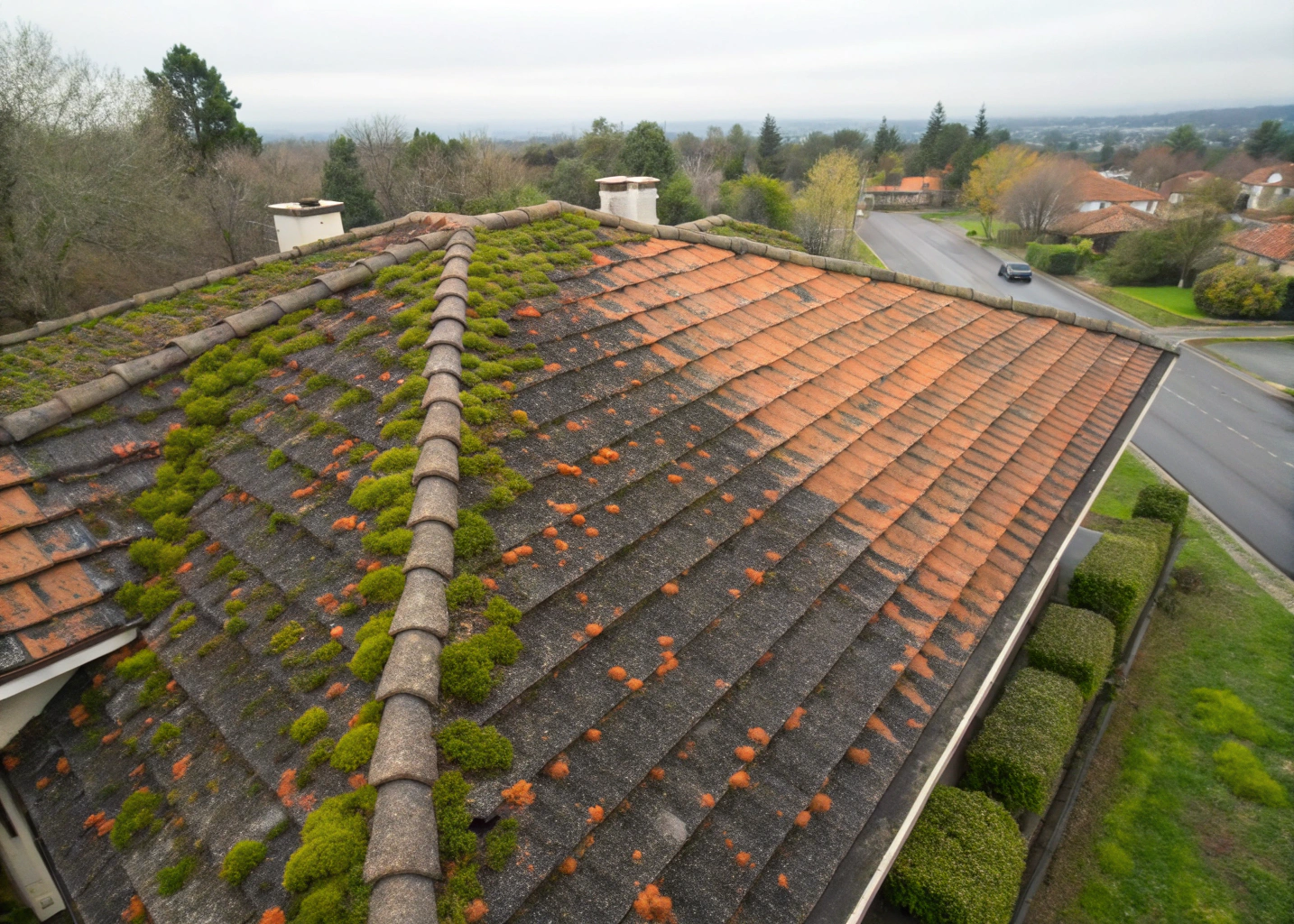
What Is Soft Washing for Mould?
Soft washing is a low-pressure exterior treatment method that uses professional-grade biocidal solutions to kill mould, algae, and lichen at the organism level — not just remove what’s visible on the surface. For Newcastle properties exposed to coastal humidity and salt air, it’s the recommended treatment for most exterior building surfaces.
How it works:
- Solution containing surfactants, algaecides, and antifungal agents is applied at 100–500 PSI — comparable to a garden hose
- The solution dwells on the surface, penetrating and killing the mould colony at the root
- Dead biological matter is rinsed away at low pressure, leaving a treated surface that resists regrowth
- Product formulation is selected for the surface type — roof tiles, render, cladding, and timber each require a different treatment mix
Why it outperforms pressure washing:
- Kills the mould organism rather than displacing visible growth
- Protects surface materials that high-pressure washing damages or degrades

Why Soft Washing Outperforms Pressure Washing for Mould
Pressure washing removes what you can see. Soft washing kills what’s actually causing the problem. When high-pressure water blasts mould from a surface, the visible growth disappears — but the organism remains in the substrate, and regrowth follows within weeks. Soft washing delivers a biocidal solution directly into the mould colony, killing it at the root so the surface stays clean far longer.
| Pressure Washing | Soft Washing | |
|---|---|---|
| Action | Removes visible mould | Kills mould at the organism level |
| Pressure | 1,500–4,000 PSI | 100–500 PSI |
| Surface risk | Risk of surface damage | Safe for render, tiles, timber, fibre cement |
| Results | Regrowth within one season | Significantly longer-lasting results |
Soft washing kills the mould colony. Pressure washing moves it.
How the Soft Washing Process Works
Surfaces Suited to Soft Washing in Newcastle
Render & Painted Masonry: High pressure cracks render, lifts paint, and erodes mortar joints. Soft washing cleans the surface thoroughly without any of that risk.
Terracotta & Concrete Roof Tiles: Pressure washing dislodges pointing, lifts tiles, and drives water under the roof membrane. Soft washing delivers a full biocidal treatment without disturbing the tile or pointing.
Timber Cladding & Fencing: High pressure raises the grain, splits aged timber, and drives moisture into the substrate. Soft washing treats biological growth safely without the physical damage.
Fibre Cement & EIFS: High pressure delaminates the surface and forces water behind the cladding, creating moisture ingress and structural issues. Soft washing is the only appropriate method for these surfaces.
Hard Paving & Concrete: The exception. These surfaces tolerate higher pressure, so a combination approach works — pressure washing to clear surface buildup, followed by a soft wash treatment to kill remaining biological growth.
Newcastle’s Mould Problem — Why the Local Environment Changes the Equation
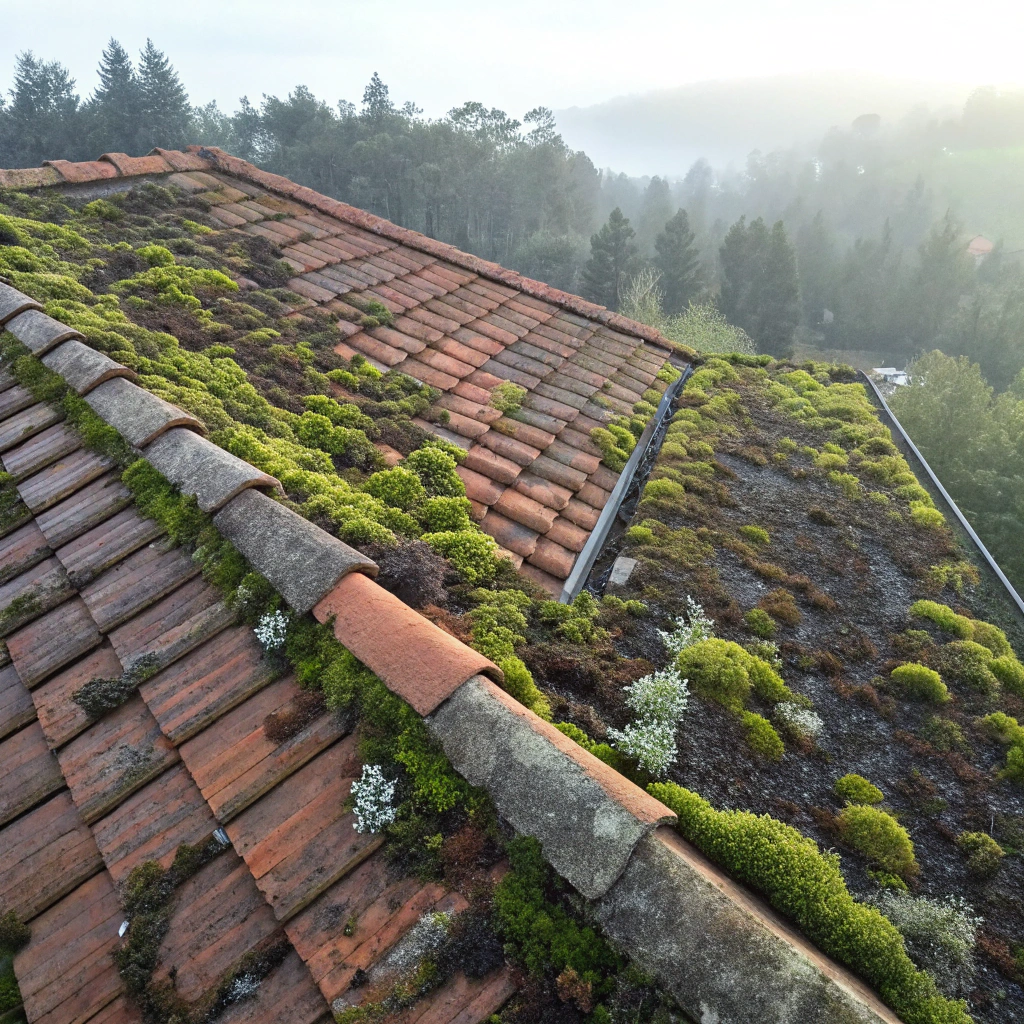
Newcastle sits at the mouth of the Hunter River with direct Pacific Ocean exposure on its eastern edge. That combination creates humidity pressure that doesn’t let up year-round — and for property owners in suburbs like Merewether, Bar Beach, Stockton, and Hamilton, it means exterior surfaces are under constant biological attack in a way that inland NSW properties simply aren’t.
Salt air degrades window seals, weatherboards, and render on ocean-facing walls, creating entry points for moisture that feeds mould growth from behind the surface. The Hunter River adds a second layer of humidity that affects properties well beyond the immediate coastline — suburbs like The Hill and Hamilton see the same biological growth patterns as beachside properties.
East Coast Lows compound the problem. Storm damage leaves water in wall cavities, roof spaces, and behind cladding that homeowners don’t find for weeks — by which point mould has already established well beneath the visible surface layer
How Soft Washing Solution Is Selected for Your Surface
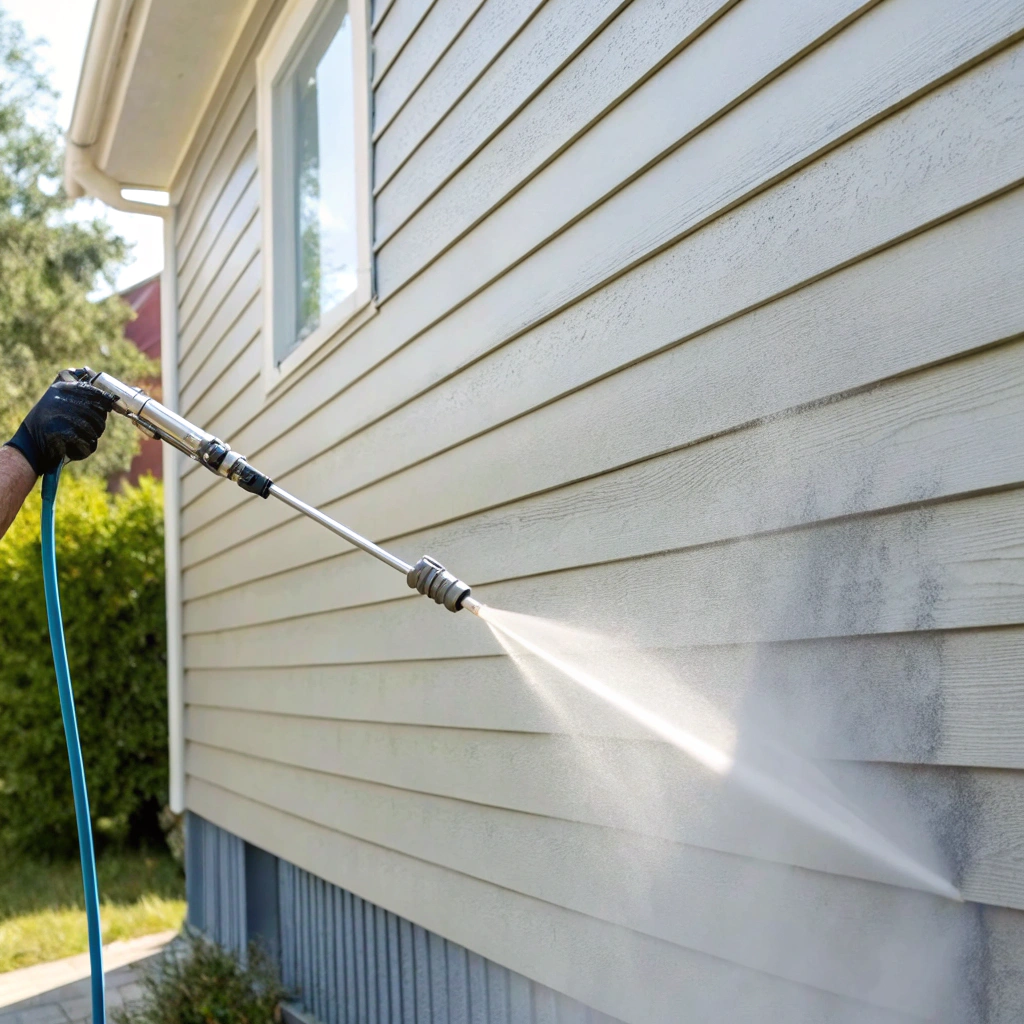
Not every surface responds to the same treatment. Terracotta roof tiles require a different biocidal formulation to painted render, and timber cladding needs a different product mix again.
Applying a single solution across every surface type is how one-size-fits-all operators get inconsistent results — the product either isn’t strong enough to kill the colony, or it damages the surface material it’s applied to.
We select the treatment formulation based on the surface type, the extent of biological growth, and the coastal exposure your property sits in. That product selection is what determines how long the result lasts — and it’s what separates a specialist soft washing operator from a general exterior cleaning service.


Treatment Longevity and Re-Treatment Scheduling
Soft washing outlasts pressure washing by a significant margin. Where a pressure wash might see mould returning within a single season, a correctly applied soft wash treatment delivers results that last considerably longer.
Newcastle’s coastal environment means biological recolonisation is predictable though. Salt air, ocean humidity, and year-round moisture pressure don’t stop working on your property between treatments.
Scheduled retreatment is the practical answer. Rather than waiting until growth is visible again, planned maintenance treatments keep biological growth from taking hold in the first place. For Newcastle properties in high-exposure locations — beachside suburbs, elevated coastal blocks, north-facing rooflines — a regular treatment schedule is the most cost-effective way to protect the surface long term.
The Cost of Getting It Wrong: Surface Damage From Pressure Washing
High-pressure washing on the wrong surface doesn’t just deliver a poor result — it creates new problems that are often more expensive to fix than the mould was in the first place. Cracked render, lifted pointing, delaminated fibre cement, and water forced behind cladding are all direct consequences of applying 1,500 to 4,000 PSI to surfaces that were never designed to handle it.
The damage isn’t always immediately visible either. Water driven into render, behind fibre cement, or under roof tiles can sit in the substrate for weeks before the signs appear — by which point the repair bill has grown well beyond what a correct soft wash treatment would have cost. For Newcastle properties already dealing with moisture pressure from the coastal environment, pressure washing damage accelerates exactly the kind of deterioration that soft washing is designed to prevent.
Frequently Asked Questions
Soft washing is safe for most exterior building surfaces including render, roof tiles, timber, fibre cement, and EIFS. Hard paving and concrete are the exception — these surfaces can handle a combination of pressure washing and soft wash treatment.
Results vary depending on the surface type and the level of coastal exposure your property has. In most cases, a correctly applied soft wash treatment lasts significantly longer than a pressure wash — often several years before retreatment is needed.
We take care to protect surrounding vegetation before applying any treatment solution. Our products are selected with surface safety in mind, and we rinse surrounding areas thoroughly after the treatment is complete.
DIY sprays and pressure washing remove what’s visible on the surface but leave the mould organism alive in the substrate. Without a biocidal treatment that kills the colony at the root, regrowth is inevitable — often within weeks.
Pressure washing uses high-pressure water to physically remove surface growth. Soft washing uses low-pressure application to deliver a biocidal solution that kills the mould organism completely. The result lasts far longer and carries no risk of surface damage.
Not necessarily. We’ll discuss access requirements with you before the job. For most exterior surface treatments, we can complete the work without you needing to be present.
Yes. Our treatment solutions are effective against mould, algae, lichen, and other biological growth. Newcastle’s coastal environment encourages all of these, and a single soft wash treatment addresses them together.
Get a Free Soft Washing Assessment for Your Newcastle Property
Mould on exterior surfaces isn’t just a cosmetic problem — and the method used to treat it matters. We’re Newcastle-based soft washing specialists, and we work with property owners across the region to identify the right treatment for every surface type and coastal exposure level.
Call us on 02 4072 2397 to book a free assessment. We’ll look at the surfaces affected, recommend the correct treatment approach, and give you a clear quote with no obligation.
We’re available Monday to Saturday and always happy to talk through what your property needs before you commit to anything.
