
When Does Plasterboard Need to Be Replaced After Water Damage?
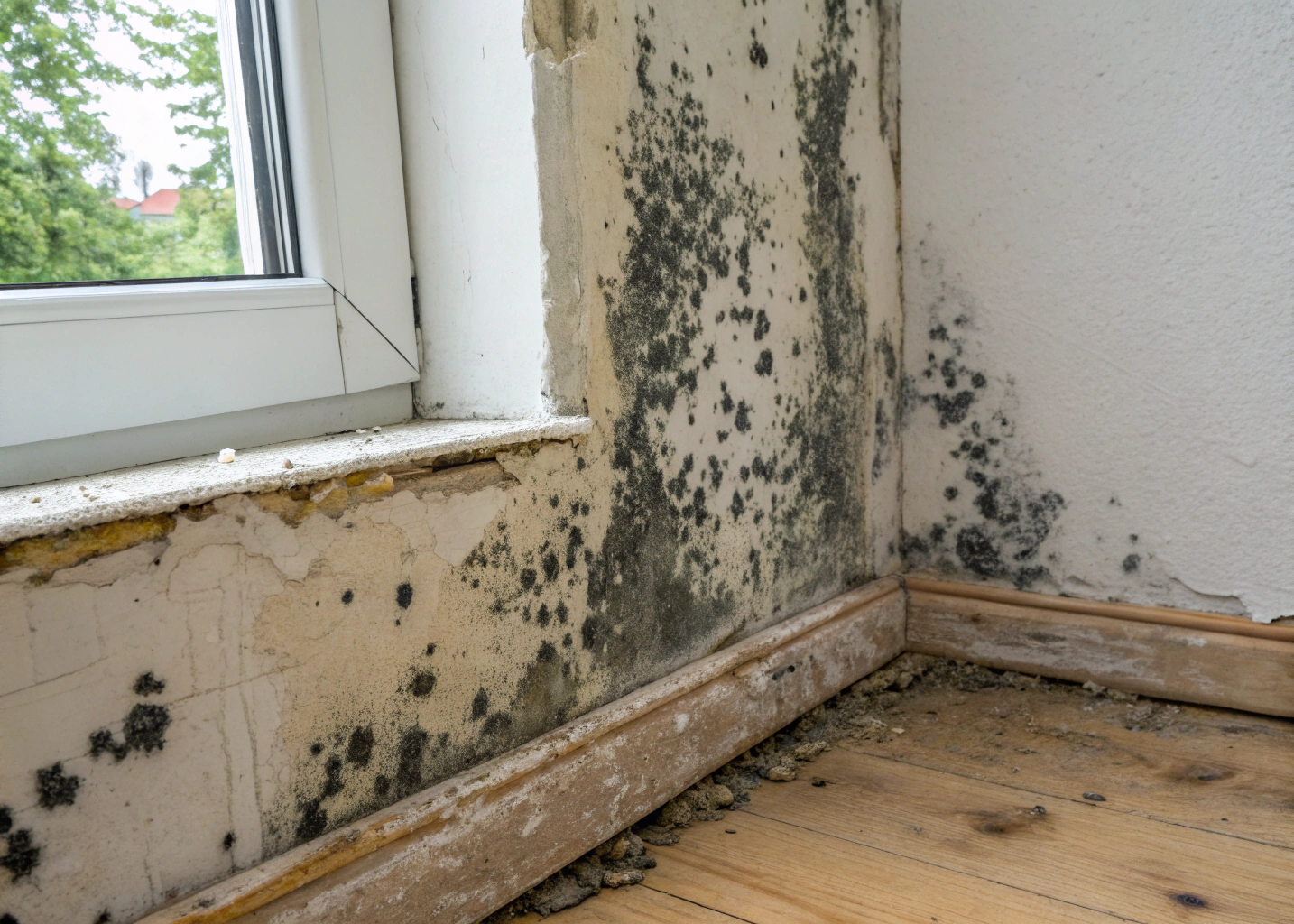
Plasterboard must be replaced — not treated — when any of the following conditions are present:
- Mould penetration — mould has moved beyond the surface into the gypsum core, or a toxic mould species has been confirmed in the material
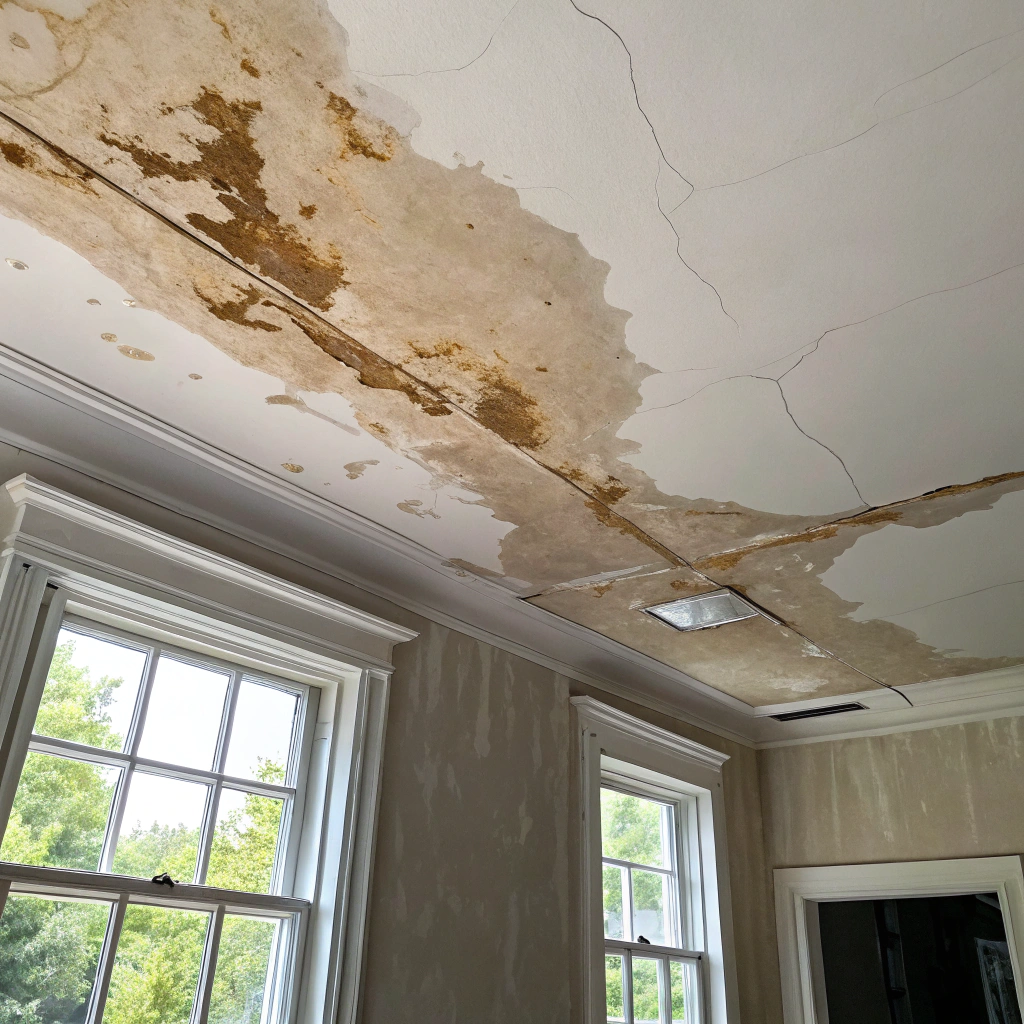
- Structural failure — the board feels soft, spongy, or is sagging, meaning prolonged moisture exposure has broken down the gypsum core
- Paper delamination — the face paper is bubbling, peeling, or separating from the core
- Contaminated water exposure — contact with sewage, stormwater, or floodwater requires full removal regardless of how much visible damage is present
- Ceiling saturation — pooled water affects the fasteners, the adhesive, and the insulation sitting above the sheet, making in-place drying impractical
- Mould keeps coming back — plasterboard that has been treated and repainted but continues to grow surface mould has active spore matter inside the material
In Newcastle’s older housing stock — where original 1970s and 1980s plasterboard has limited moisture resistance — replacement is frequently the right outcome after any significant water ingress event.

Why Plasterboard Can't Always Be Saved
Plasterboard is made from gypsum — a soft, porous material that absorbs moisture readily. When a wall or ceiling gets wet and stays wet long enough, the gypsum core breaks down. At that point, putting a fan on it and waiting isn’t going to fix what’s already happened inside the material.
The other issue is mould. Surface mould — the kind sitting on the paint layer — can often be treated without touching the plasterboard. But when spore matter has moved into the gypsum core itself, there’s no spray or primer that reaches it. The material has to come out.
What we see regularly on Newcastle jobs is plasterboard that’s been painted over once or twice after a water event or mould treatment. It looks acceptable for a few months. Then the mould pushes back through, the paint bubbles, and the wall feels soft. The cosmetic fix bought some time — it didn’t solve anything.
When the material has failed, we remove it. That’s the correct call, and it’s what we base every assessment on.
The Plasterboard Replacement Process
This isn’t a straight swap-out. Every step is done in sequence with contamination control in mind — because cutting corners at any point is what leads to mould coming back after new sheets go in.
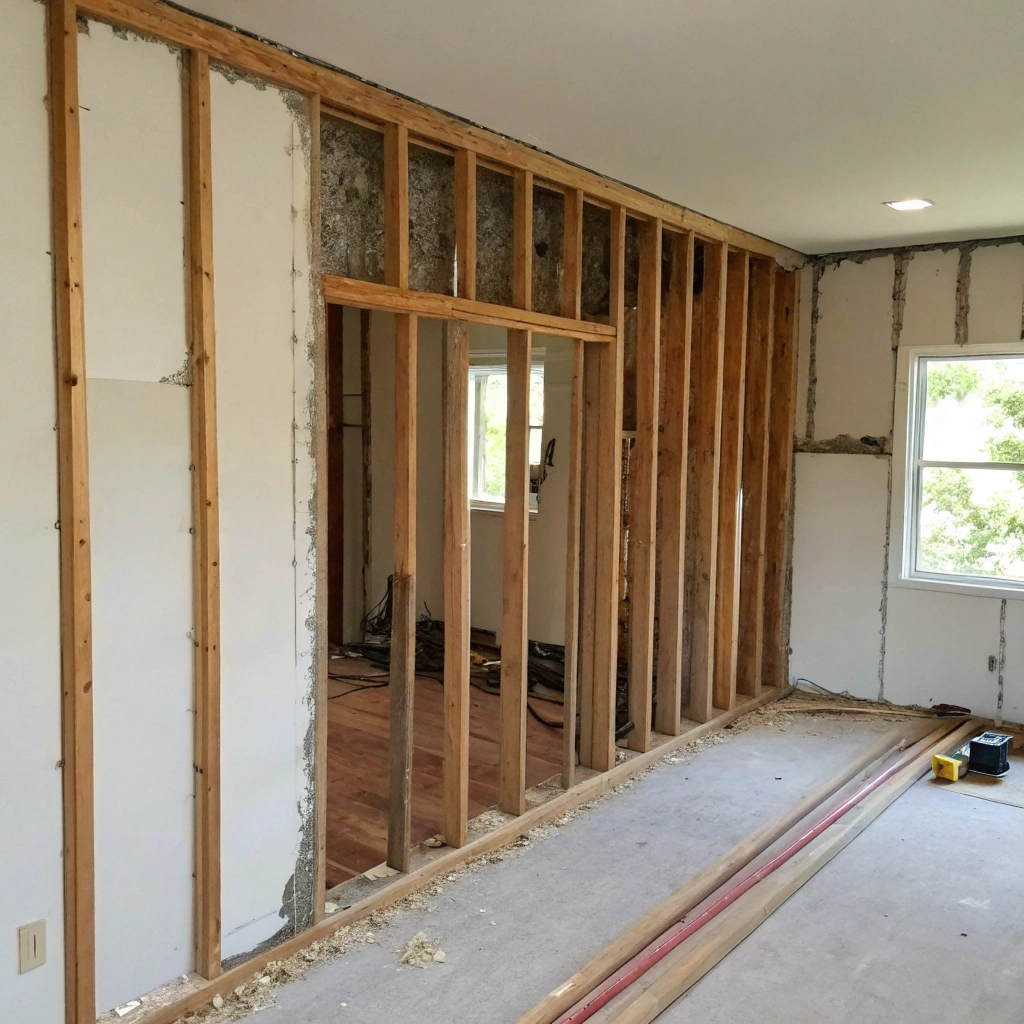
Safe Removal of Affected Material: We mist mould-affected surfaces before removal to limit spore dispersal. All removed material is bagged and disposed of in line with NSW waste handling requirements.
Inspection and Treatment of Wall Framing: Before new plasterboard goes in, we inspect the cavity and framing behind the removed sheets. Any affected timber is treated before installation proceeds — this is what separates a mould specialist from a standard plasterer.
Installation to Australian Standards: Replacement plasterboard is installed to AS/NZS 2588. Sheet thickness and fixing methods are selected for the specific application — walls, ceilings, wet areas, or dry areas.
Plastering, Finishing, and Mould-Inhibiting Primer: All joints and fixing points are finished to a paint-ready standard. Mould-inhibiting primer is applied to all new surfaces as standard on every job.
Newcastle Properties Most at Risk
Older inner-city suburbs carry the highest risk. Homes in Hamilton, Islington, Adamstown, and Mayfield were largely built in the 1970s and 1980s with plasterboard that has limited moisture resistance, no vapour barriers, and single-glazed windows that generate condensation on internal walls. When moisture gets in, it stays in.
Rental properties are a recurring pattern. Landlords managing older, poorly ventilated stock often find themselves replacing plasterboard repeatedly without addressing the moisture source. Replacement without fixing the underlying problem just resets the clock.
Strata apartments in the Newcastle CBD and inner suburbs present a different challenge. Water tracks between lots, and damage in one unit regularly reveals damage in adjacent ones.
Post-storm damage is a seasonal reality. Roof leak ingress during East Coast Lows causes ceiling plasterboard damage across the region’s older housing stock every year, and job volumes spike after every significant weather event.
Plasterboard Replacement in Rental Properties and Strata
For landlords and property managers, recurring plasterboard replacement is a sign that the moisture source hasn’t been dealt with. Replacing the material without addressing the ventilation failure or water ingress point driving the damage means the same wall is coming out again in two or three years. We treat the source at the same time as the replacement — that’s the only way to break the cycle.
Strata jobs carry their own complexity. Water ingress frequently tracks between lots, and the damage source often originates in another unit entirely. Replacing plasterboard in this context requires clear documentation of where the water came from, what was affected, and what was done — for body corporate submissions, insurance claims, and landlord records.
We provide written scope reports and before-and-after documentation on every job where it’s needed, suitable for insurance claims, body corporate submissions, and landlord records.
Finish Quality and What to Expect
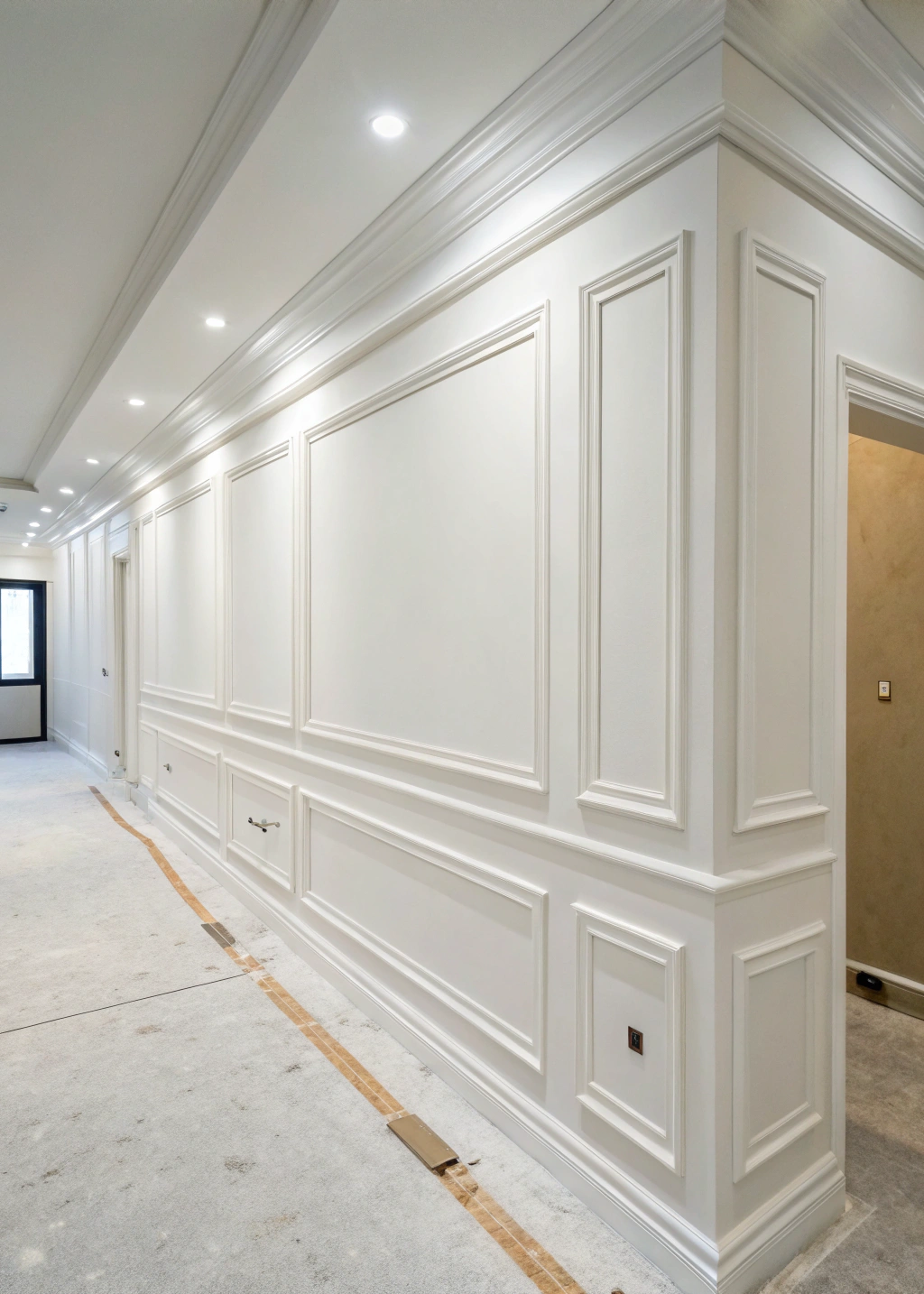
The most common concern we hear before a plasterboard replacement job is whether the new section will look patched. It’s a fair question — a visible patch line on a freshly painted wall isn’t an acceptable outcome.
All joints and fixing points are plastered and finished to a smooth, paint-ready standard. Mould-inhibiting primer is applied to all new surfaces before any painting takes place. Where painting is included in the scope, we match to the existing wall and ceiling finishes as closely as possible.
One thing we’re honest about: in older homes with textured or heavily aged paint finishes, a perfectly invisible match isn’t always achievable. The finish will be professional and paint-ready — but if the rest of the wall has decades of layers on it, some variation is possible. We’d rather tell you that upfront than have you surprised at the end.
Plasterboard Replacement Across Newcastle and the Hunter Region
We carry out plasterboard replacement jobs across the full Newcastle area and into the broader Hunter Region. That includes the Newcastle CBD, inner suburbs like Hamilton, Islington, Adamstown, Mayfield, and Waratah, coastal suburbs including Merewether, Bar Beach, and Stockton, and surrounding Hunter Region locations.
For landlords and strata managers dealing with multiple affected properties or units, we have the capacity to respond to post-storm and multi-property jobs without the delays that come with smaller operators.
The difference between a mould and restoration specialist and a general plasterer on these jobs comes down to what happens before the new sheets go in. Treating the framing, controlling spore dispersal during removal, and applying mould-inhibiting primer as standard aren’t optional extras — they’re what determines whether the replacement holds. That’s what we bring to every plasterboard replacement job in Newcastle.
Frequently Asked Questions
If the board feels soft, is sagging, or mould keeps coming back after treatment, it needs to come out. We assess this on every job before any work is recommended.
In most cases we remove only the affected sheets. We cut to the nearest stud or ceiling joist and replace what’s damaged — not the entire wall or ceiling.
Most residential jobs are completed in a day. Larger jobs involving multiple rooms or ceilings may take two to three days depending on scope.
Yes, always. We inspect the framing and cavity before new sheets go in, and treat any affected timber before installation proceeds. We won’t install over untreated framing.
We apply mould-inhibiting primer to all new plasterboard surfaces as standard before any painting takes place. This is included on every job — it’s not an optional extra.
We finish all replaced sections to a paint-ready standard and can paint to match existing finishes as part of the same job scope. In older homes with heavily aged or textured finishes, a perfect invisible match isn’t always possible, but the finish will always be professional.
Get a Plasterboard Assessment and Quote
We’ll assess the affected area, confirm what needs to come out, and give you a clear scope and price before any work begins. No guesswork, no surprises — just a straight answer on what the job involves and what it will cost.
If you’re a landlord, property manager, or strata representative dealing with a water or mould damage event, we can provide written assessment reports and before-and-after documentation suitable for insurance claims, body corporate submissions, and landlord records.
Why choose us:
- Licensed and insured
- Newcastle-based and locally operated
- Same-day or next-day assessment where possible
Book Your Assessment — Call 02 4072 2397
