
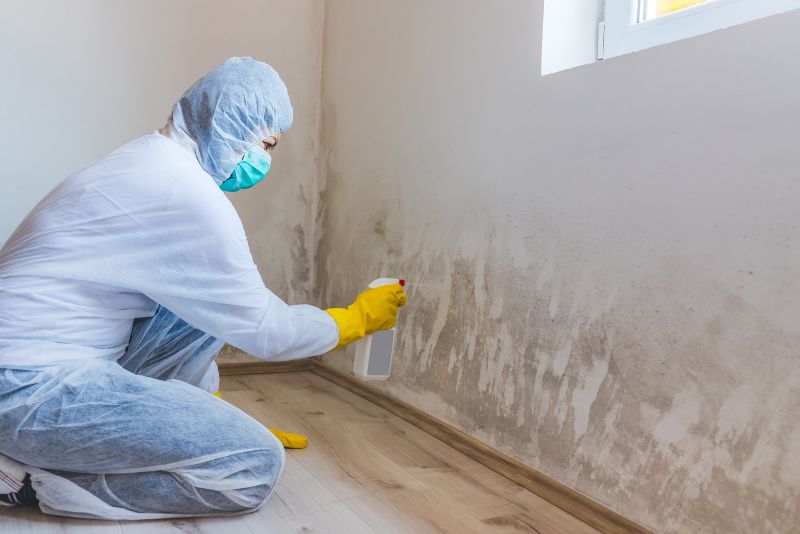
What Antimicrobial Treatments Do
Antimicrobial treatments work at the surface level through a mechanism that standard cleaning products don’t replicate. The active ingredients in professional-grade formulations bond directly to treated surfaces, creating a persistent inhibitory environment that prevents microbial colonisation rather than simply killing existing organisms at the point of application. That’s the core distinction — a one-time disinfection treatment delivers a short-term kill of organisms present at the time of application. At the same time, a persistent antimicrobial coating continues to suppress microbial activity across the treated surface over weeks or months.
The protection delivered is broad-spectrum. Professional antimicrobial treatments actively inhibit mould and fungal species, common bacteria such as Staphylococcus and E. coli, enveloped viruses, and a wide range of other pathogens, depending on the specific product formulation used. For Newcastle properties — where humidity levels, condensation on older building materials, and post-storm moisture ingress create favourable conditions for microbial activity year-round — that ongoing surface-level protection represents a meaningfully different outcome than cleaning alone.

Antimicrobial Treatment for Mould-Prone Homes in Newcastle
Newcastle’s combination of coastal humidity, salt air exposure, and ageing housing stock creates baseline mould pressure that most other Australian cities don’t experience at the same intensity. Suburbs like Merewether, Bar Beach, Mayfield, Hamilton, and Stockton are home to Federation-era and post-war brick veneer properties built without vapour barriers, subfloor ventilation, or damp-proof membranes — the structural conditions that allow moisture to accumulate inside wall cavities, under floors, and across ceiling surfaces season after season.
For Newcastle homeowners, antimicrobial treatment applied after professional mould remediation is the step that prevents the same surfaces from recolonising. The active ingredients in professional-grade antimicrobial coatings bond directly to treated surfaces — bathroom ceilings, wet area walls, subfloor timbers, and roof cavity structures — creating a persistent inhibitory environment that suppresses mould spore germination, bacterial growth, and fungal regrowth over weeks and months rather than days. That means remediated surfaces stay clean longer, and the conditions driving repeated mould cycles are actively interrupted at the surface level between professional maintenance visits.
Protecting Your Property Between Tenancies
The period between tenancies is the most cost-effective window for preventative antimicrobial treatment in a rental property. With the property vacant, every surface is accessible, the application can be thorough, and there are no occupancy constraints on ventilation or re-entry protocols. A treatment applied during this window delivers persistent surface protection that carries through the incoming tenancy — actively suppressing mould growth, bacterial colonisation, and pathogen activity across bathrooms, kitchens, and other high-contact surfaces from day one of the new lease.
For Newcastle landlords managing properties in humidity-affected suburbs, antimicrobial treatment between tenancies is an investment in reduced maintenance callouts, fewer mould-related tenant complaints, and stronger property presentation at the start of each lease. Properties treated professionally between tenancies also carry a documentable hygiene record — a practical asset when attracting quality tenants in Newcastle’s competitive rental market and a demonstrable standard of care should any tenancy hygiene dispute arise during the lease period.
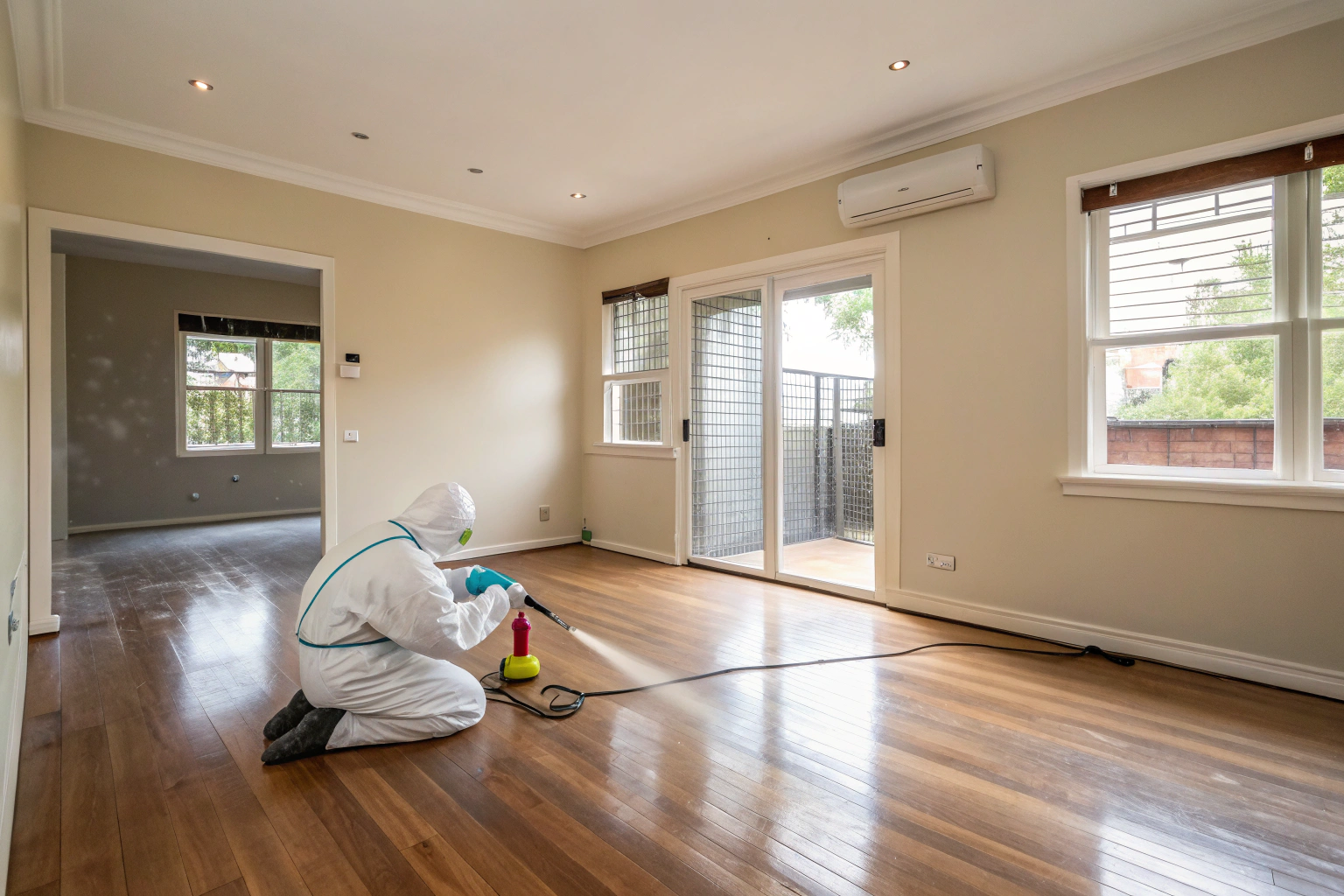
Surfaces and Environments We Treat
Professional antimicrobial treatments are applied across a broad range of surfaces — each requiring specific product selection and application technique to deliver lasting protection. For residential properties, treatment typically follows mould remediation or water damage, targeting surfaces most vulnerable to recolonisation: interior wall and ceiling plaster, bathroom and kitchen wet areas including tiles, grout, and silicone joints, subfloor and roof cavity timbers, and HVAC ductwork where untreated microbial contamination recirculates through the building’s air supply continuously.
- Interior wall and ceiling surfaces in mould-prone rooms following remediation
- Bathroom and kitchen wet areas, including tiles, grout, and silicone lines
- Subfloor and roof cavity timber structures following mould treatment
- HVAC ductwork and air handling components where contamination is distributed through building air systems
For commercial and regulated environments, our treatments cover applications where pathogen control carries both health and compliance weight. Facility managers and property operators across Newcastle’s healthcare, aged care, hospitality, and education sectors require certified formulations, documented application records, and treatments that meet relevant Australian Standards — from commercial kitchen surfaces requiring food-safe formulations to childcare and school environments, healthcare and aged care facilities, and strata common areas including lobbies and lifts where high daily contact rates make persistent surface protection an ongoing operational priority.
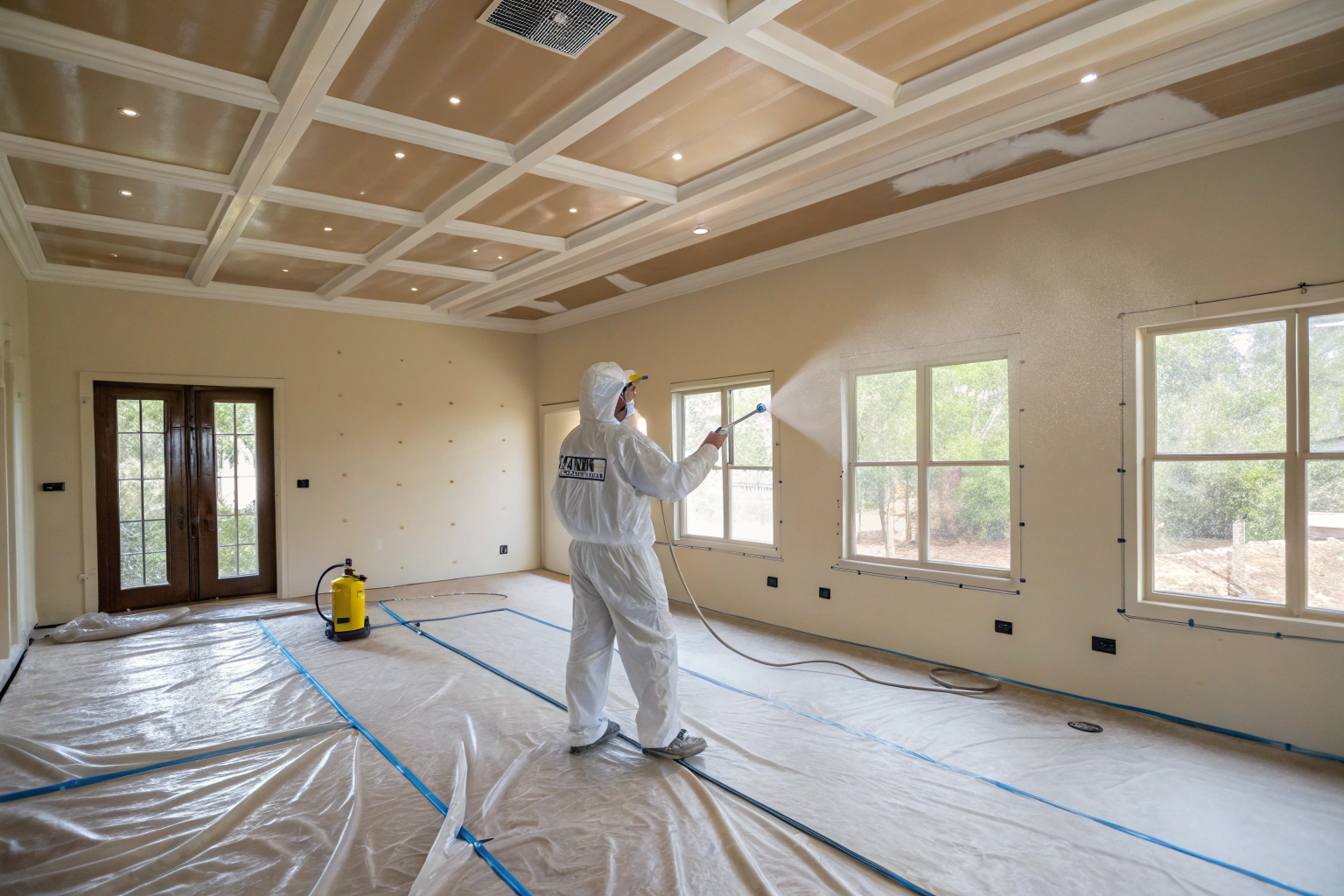
Post-Remediation Antimicrobial Coating — The Final Protective Layer
Professional mould remediation removes the colony — the visible growth, the embedded spores, and the contaminated material. What it doesn’t do is change the surface conditions that allowed that colony to establish in the first place. Without a post-remediation antimicrobial coating, a thoroughly remediated surface is still a receptive surface — one that mould spores, bacteria, and other pathogens can recolonise given the right combination of humidity, warmth, and time.
Antimicrobial coating applied immediately after remediation changes that dynamic. The active ingredients bond to the treated substrate — whether plaster, timber, tile, grout, or concrete — and create a persistent protective barrier that actively inhibits microbial colonisation rather than simply killing existing organisms at the point of application. For Newcastle properties where the underlying humidity conditions can’t always be fully resolved, this layer of ongoing surface protection is what makes the difference between a remediation that holds and one that needs repeating within a season.
When to Combine Mould Remediation with Antimicrobial Treatment
Mould remediation and antimicrobial treatment are most effective when delivered together as a sequenced intervention rather than as separate, standalone services. Remediation removes the established colony — the visible growth, embedded spores, and contaminated material. Antimicrobial treatment then follows immediately, coating the remediated surfaces before conditions can support recolonisation. Separating the two, or skipping the treatment layer entirely, leaves remediated surfaces exposed and receptive from the moment the remediation team packs up.
The combination is particularly relevant for Newcastle properties where the underlying humidity and moisture conditions driving mould growth can’t always be fully resolved through remediation alone. Chronic mould properties — homes with repeated remediation history, subfloor or roof cavity mould, or persistent bathroom and wet area regrowth — benefit most from the added protection layer. For these properties, combining professional mould remediation with an immediate post-remediation antimicrobial coating is the approach that produces durable outcomes rather than short-term relief.
Antimicrobial Treatment vs Standard Cleaning Products
| Standard Cleaning Products | Professional Antimicrobial Treatment | |
|---|---|---|
| Description | Standard cleaning products remove visible dirt, surface bacteria, and mould at the point of application — but provide no residual protection once the product dries. The surface is left clean but unprotected, remaining fully receptive to recontamination within hours or days. For properties in Newcastle’s humid coastal environment, this means repeated cleaning cycles that treat the symptom without addressing ongoing microbial pressure at the surface level. | Professional antimicrobial treatment uses active ingredients that bond directly to the treated surface, creating a persistent inhibitory barrier that continues suppressing mould growth, bacterial colonisation, and pathogen activity long after application. Unlike standard cleaning, protection extends over weeks or months depending on formulation, surface type, and environmental conditions — making it the appropriate solution for post-remediation protection, regulated commercial environments, rental property maintenance, and any setting where ongoing surface protection is a health or compliance priority. |
What Happens During a Professional Antimicrobial Treatment Visit
Every professional antimicrobial treatment visit follows a structured process designed to deliver consistent, documentable results across the surfaces being treated. The visit begins with a thorough surface assessment — identifying substrate types, existing contamination levels, moisture readings where relevant, and any areas requiring preparation before treatment can be applied effectively. Product selection is confirmed at this stage based on the specific environment, occupant profile, and pathogen control objectives of the property or facility.
Once preparation is complete, professional-grade antimicrobial products are applied using appropriate equipment and technique for each surface type — ensuring full coverage across treated areas, including edges, joints, and cavities where microbial activity commonly concentrates. Correct product concentration, dwell time, and application method are strictly followed in line with manufacturer specifications. Ventilation and re-entry protocols are observed before the space is cleared for reoccupation, and full treatment documentation is provided on completion, covering products applied, surfaces treated, and expected protection duration.


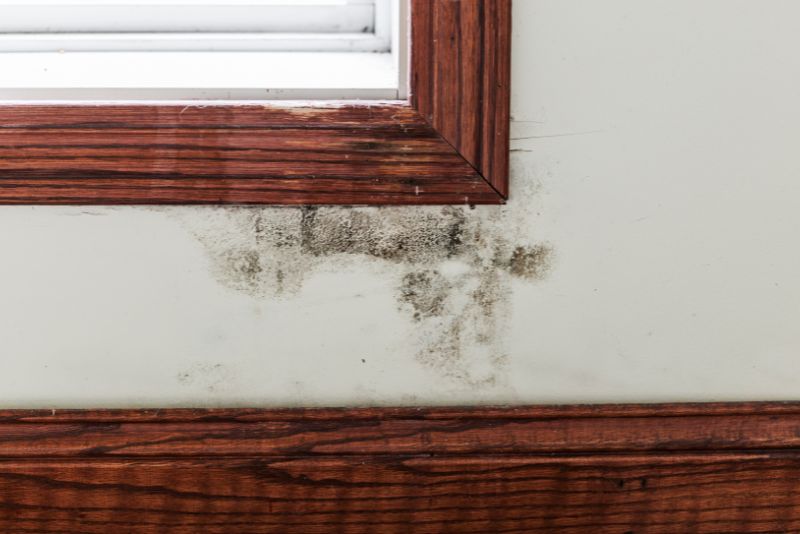
FAQ: Basement Mould Removal Newcastle
Antimicrobial treatment applies active ingredients that bond to surfaces and create a persistent protective barrier against mould, bacteria, and pathogens. Regular cleaning removes visible contamination but leaves surfaces unprotected and receptive to recontamination within hours or days.
Protection duration depends on the product formulation, surface type, and environmental conditions. Professional-grade treatments typically deliver persistent surface protection over weeks or months, significantly outlasting any residual effect from standard consumer cleaning products applied to the same surfaces.
Professional antimicrobial products are selected for both efficacy and safety. TGA-listed and EPA-registered formulations are applied at manufacturer-specified concentrations with appropriate ventilation and re-entry protocols observed — making treated surfaces safe for children, pets, and occupants with chemical sensitivities once cleared.
Antimicrobial treatment should be applied immediately after mould remediation is complete — before conditions can support recolonisation of remediated surfaces. Combining both services as a sequenced intervention produces significantly more durable outcomes than remediation alone, particularly in Newcastle’s humidity-affected properties.
A broad range of surfaces can be treated — including wall and ceiling plaster, bathroom tiles, grout, silicone joints, subfloor and roof cavity timbers, HVAC ductwork, soft furnishings, commercial kitchen surfaces, and high-contact surfaces in healthcare, aged care, and childcare environments.
Full treatment documentation is provided for all commercial treatments — covering products applied, surfaces treated, concentrations used, and expected protection duration. Documentation is also available for residential clients on request, supporting insurance claims, tenancy records, and regulatory compliance requirements.
Book an Antimicrobial Treatment Assessment in Newcastle
Professional antimicrobial treatment is available across Newcastle, NSW, for residential properties, rental and investment properties, and commercial facilities of all sizes. Whether you’re completing a mould remediation, preparing a property between tenancies, or implementing a scheduled surface protection program for a regulated commercial environment, we deliver treatments using certified formulations applied by trained technicians with full documentation on completion.
Contact us today to book a treatment assessment or discuss combining antimicrobial treatment with an ongoing scheduled maintenance program. We service Newcastle and surrounding areas, including the Hunter Region — get in touch for a prompt response and obligation-free quote.
