
Fast Flood Damage Recovery Throughout Newcastle and the Hunter
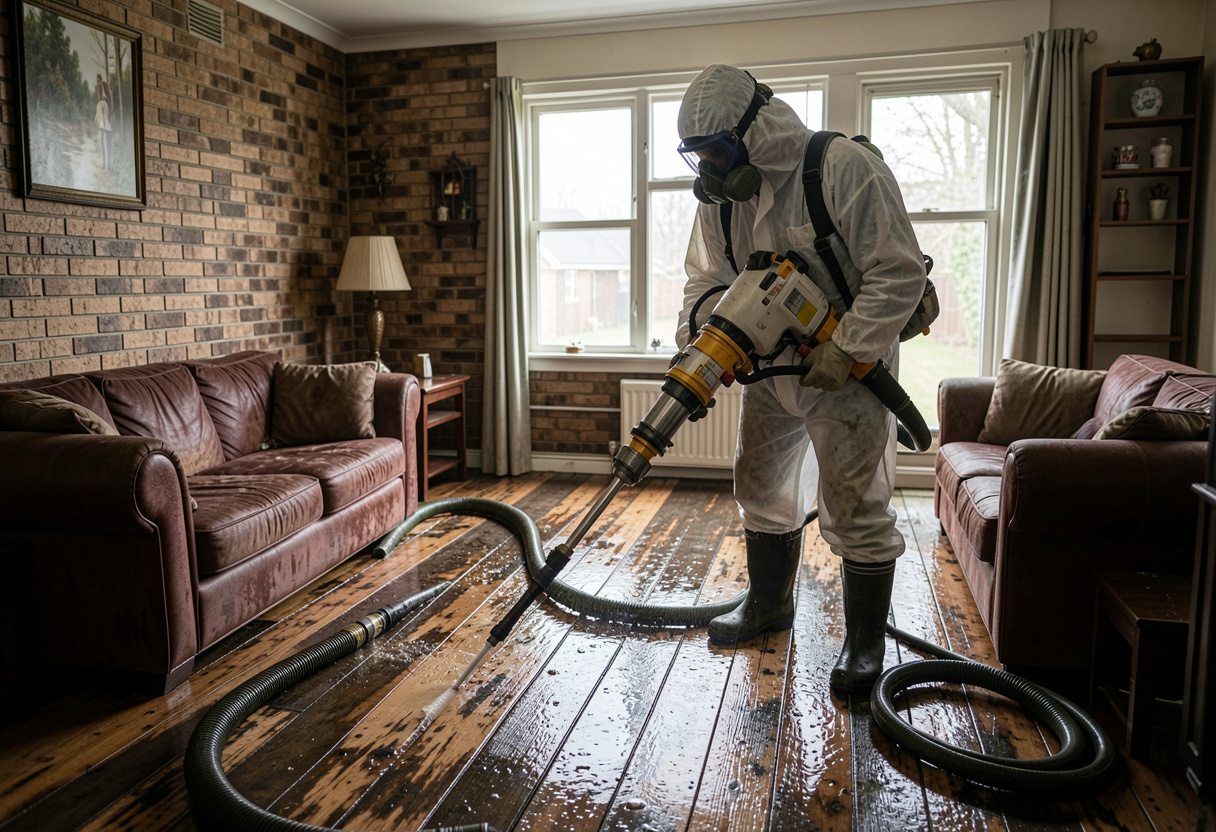
Flood damage doesn’t wait. One East Coast Low, one overwhelmed stormwater drain, one Hunter River surge — and within hours, a home in Tighes Hill or Carrington can go from a family’s biggest asset to a saturated, contaminated shell. We’ve spoken to homeowners in Wickham and Sandgate who walked back into their properties after a major rain event expecting a wet floor and found floodwater through the entire ground level, sewage residue on the walls, and that unmistakable smell that tells you something serious has happened.
Flood damage restoration in Newcastle NSW is what we do, and we’re available 24 hours a day to respond. Unlike a burst pipe or a leaking appliance, flood events hit entire floor levels at once, push contaminated water into wall cavities, subfloor spaces, and insulation simultaneously, and start the mould clock the moment the water stops rising. The longer you wait, the worse it gets — and that’s not a scare tactic, that’s just how water and biology work.

How We Restore Flood-Damaged Properties in Newcastle
Newcastle's Flood Risk — Why Local Knowledge Matters
Newcastle Has a Complex Flood Risk Profile
Newcastle is a city with a genuinely complex flood risk profile. The Hunter River to the north and Throsby Creek running through the inner suburbs both overflow catchment capacity during sustained heavy rainfall — and when they do, properties in Hamilton North, Islington, Carrington, and the low-lying sections of Wickham and Tighes Hill face inundation from catchment flooding that comes up from the ground and through drainage systems, not just down from above.
Low-Lying Suburbs Face Pressure From Multiple Directions
Sandgate sits adjacent to the Hunter floodplain in a location that gets pressured from multiple directions during La Niña and east coast low events. Carrington and Islington are historically among the most flood-vulnerable residential suburbs in the Newcastle LGA — something that’s been reinforced repeatedly over the past decade of intensifying weather events.
Older Housing Stock Makes Subfloor Flooding a Hidden Risk
Newcastle’s inner suburbs are full of Federation homes, 1960s and 1970s brick veneer on suspended timber floors — housing stock that’s genuinely vulnerable to floodwater penetrating subfloor voids and sitting under the structure for days before it’s discovered. Internal flooding from overwhelmed stormwater systems backing up through floor drains and toilets is a specific and recurring problem in low-lying suburbs during extreme rainfall.
We Know Newcastle’s Flood Geography Because We Work Here
We know which suburbs sit in the Throsby Creek catchment, which streets in Tighes Hill get hit hardest by stormwater backup, and what subfloor flooding looks like in a 1970s Carrington home versus a newer slab-on-ground build. That local knowledge changes how we assess a job, how quickly we can mobilise, and how accurately we can tell you what’s affected and what needs to happen next.


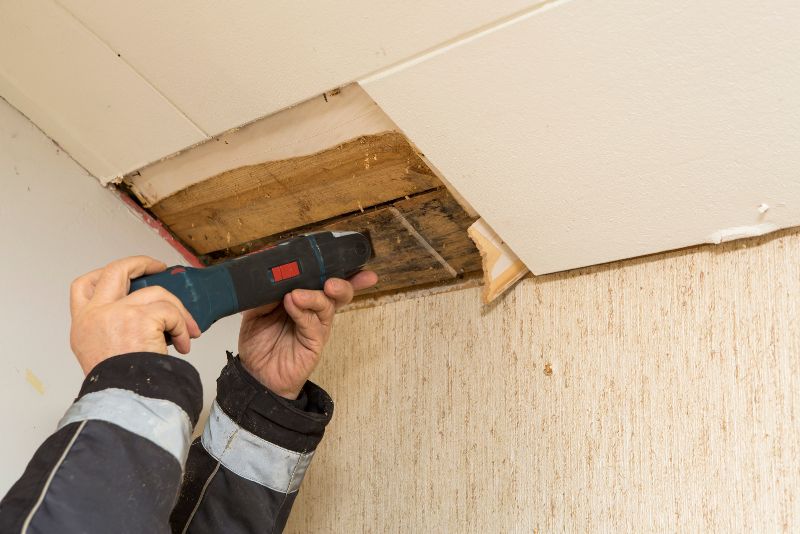
Floodwater Contamination and Health Risks
Floodwater entering residential and commercial properties in Newcastle does not arrive clean. During significant rain events, Newcastle’s stormwater and sewer systems get overwhelmed quickly — particularly in low-lying suburbs like Islington, Carrington, and Sandgate where the drainage infrastructure is under pressure before a major event even hits full intensity.
The critical point here is this — it doesn’t matter how clear the water looks when it enters your property. All floodwater is treated as Category 3 contaminated under Australian restoration standards, full stop. Visual clarity tells you nothing about what’s dissolved in it.
That means occupants should not re-enter flood-affected areas until professional biohazard treatment and structural drying has been completed and independently verified. Walking through a flood-affected room, moving contents around, or attempting DIY cleanup without the right PPE and chemical treatment isn’t just ineffective — it spreads contaminated material to areas that weren’t previously affected and puts your family’s health directly at risk.
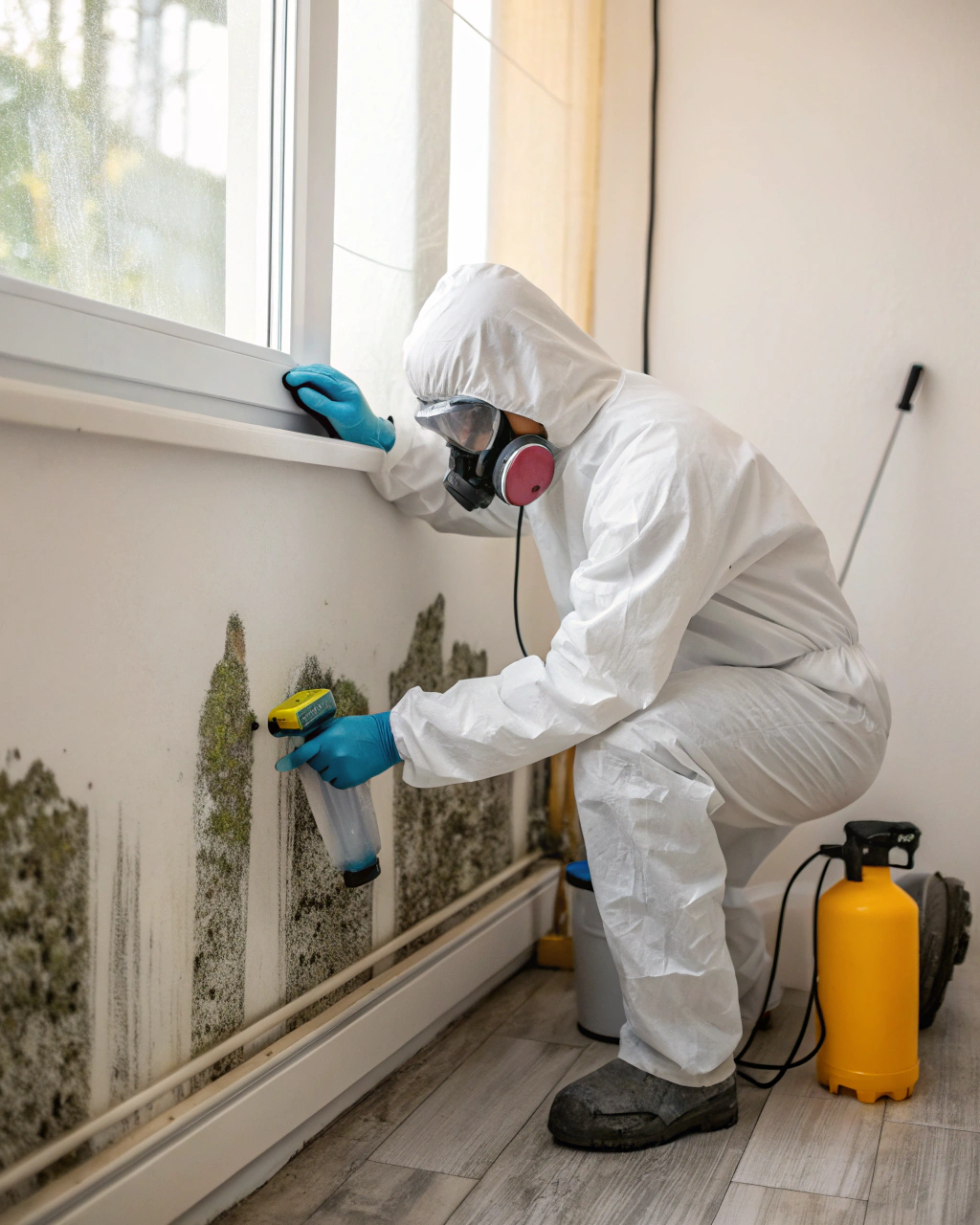
Mould Risk After Flood Damage in Newcastle Properties
Flood damage can create ideal conditions for mould growth within just 24 to 48 hours, often before any visible signs appear. Because floodwater saturates multiple parts of a property at once—including floors, walls, and subfloor areas—mould can spread quickly if the drying process is delayed or incomplete. Newcastle’s coastal climate and humidity can further slow drying and increase the risk of mould development.
To minimise this risk, professional flood restoration should include antimicrobial treatment alongside water extraction and structural drying. This helps prevent mould from establishing during the critical post-flood period.
By combining flood restoration and mould remediation services, affected properties can be properly assessed, treated, dried, and monitored, reducing the likelihood of ongoing moisture issues and costly mould problems in the future.
Floodwater Contamination and Health Risks
This is the part most people don’t fully think through in the immediate aftermath of a flood — and it matters more than almost anything else about how the job gets handled.
Floodwater entering residential and commercial properties in Newcastle does not arrive clean. During significant rain events, Newcastle’s stormwater and sewer systems get overwhelmed quickly — particularly in low-lying suburbs like Islington, Carrington, and Sandgate where the drainage infrastructure is under pressure before a major event even hits full intensity. What backs up into your property through floor drains, toilets, and subfloor gaps carries:
- Sewage and faecal bacteria from overwhelmed sewer lines
- Agricultural and industrial chemical runoff carried in from upstream catchments
- Heavy metals and hydrocarbon residues from road and carpark surfaces
- Biological pathogens including bacteria, viruses, and parasites
The critical point here is this — it doesn’t matter how clear the water looks when it enters your property. All floodwater is treated as Category 3 contaminated under Australian restoration standards, full stop. Visual clarity tells you nothing about what’s dissolved in it.
Flood Damage in Newcastle? Call Now for 24/7 Emergency Response
Floodwater through your property is not a situation where waiting to see how things dry out is a safe option. Contamination sets in immediately, mould colonisation starts within 24 to 48 hours, and every hour without professional mould extraction running is an hour of additional damage to your floors, walls, and structure.
We’re Newcastle’s specialist flood damage restoration operator — available around the clock, fully equipped, and ready to mobilise the moment you call. Whether you’re in Carrington, Tighes Hill, Wickham, Sandgate, or anywhere across the Newcastle region, we’ll be there fast.
Call us now for immediate emergency attendance.
FAQs About Flood Damage Restoration in Newcastle
How quickly does flood damage need to be treated before it becomes a serious problem?
In Newcastle’s coastal humidity, you’ve got a much smaller window than most people think — mould can start establishing in saturated walls and floors within 24 to 48 hours of a flood event. The longer extraction and drying is delayed, the deeper moisture penetrates into structural timbers, insulation, and subfloor spaces. I’d treat anything beyond 24 hours without professional intervention as already in the danger zone.
Can I stay in my home while flood damage restoration is being carried out?
Honestly, in most cases I’d strongly advise against it — especially in older Newcastle homes where floodwater has contacted subfloor spaces, wall cavities, or any drainage system. Floodwater carries sewage and biological contaminants that make the indoor environment genuinely unsafe until biohazard treatment and drying is complete. If you’ve got family with asthma or young kids, that’s not a risk worth taking.
Will my home insurance cover flood damage restoration in Newcastle?
Most standard home insurance policies in Australia do cover flood damage restoration, but the detail is in how your insurer defines “flood” versus “storm surge” — and that distinction catches a lot of Newcastle homeowners off guard after east coast low events. I always recommend calling your insurer the same day the damage occurs and documenting everything with photos before anything is moved or touched. Our restoration completion reports and moisture documentation are prepared specifically to support insurance claims.
How do I know if my subfloor has been affected by flooding if I can't see any visible damage?
In Newcastle’s older housing stock — your Federation homes, your 1970s brick veneer — subfloor flooding is one of the most commonly missed problems after a heavy rain event because there’s often no visible sign inside the living areas at all. The first indicators are usually a rising damp smell, boards that start to feel slightly soft underfoot, or condensation appearing on lower wall sections days after the event. If your street flooded or your stormwater backed up, I’d get the subfloor inspected regardless of what the interior looks like.
What's the difference between flood damage restoration and regular water damage repair?
A burst pipe or leaking appliance is Category 1 or 2 water — contained, relatively clean, and manageable with standard drying equipment if caught early. Flood damage is Category 3, which means contaminated black water, biohazard treatment protocols, and in most cases the removal of all affected materials that can’t be decontaminated to a safe standard. The scale, the contamination risk, and the equipment required are in a completely different league — and treating a flood job like a standard water damage job is how properties end up with serious long-term mould and structural problems.
How long does flood damage restoration take for a typical Newcastle home?
For a single-level home in suburbs like Carrington or Wickham with moderate flood impact, the extraction and material removal phase is typically completed within one to two days — but the structural drying phase runs anywhere from five to ten days depending on how deeply moisture has penetrated and what Newcastle’s ambient humidity is doing at the time. I won’t sign off on a job until moisture readings across all affected elements hit the targets, because cutting the drying phase short is one of the main reasons mould problems develop after flood restoration. Every job gets a daily monitoring visit so you always know exactly where things are at.
