
Standing in the kids’ bedroom with a torch, Sharon from Charlestown had already spent three weekends scrubbing the bathroom ceiling. She’d bought the spray from Bunnings. She’d followed the instructions. And yet — there it was again, creeping back across the plasterboard in dark patches, spreading further than before.
That’s when she typed into her phone: mould removal Newcastle.
If you’re reading this right now, you probably know that feeling. The smell that hits you when you open a wardrobe. The dark stain you can’t stop thinking about. The nagging question you haven’t wanted to ask out loud: is this making my family sick?
Newcastle’s coastal climate is genuinely one of the harshest environments for Australian homes. The humidity off the Pacific doesn’t let up. East Coast Lows drive moisture into wall cavities, roof spaces, and subfloors that you won’t discover for weeks. And in older homes across Merewether, Hamilton, Charlestown, Mayfield, and Wallsend — built long before anyone thought about vapour barriers or cross-ventilation — mould doesn’t just sit on the surface. It gets inside.
Surface sprays don’t fix that. They never did.
Mould Removal Newcastle Experts is a locally based, fully certified remediation service working across the Hunter Region. We inspect, test, remove, and treat mould at the source — not just the wall you can see, but the moisture problem driving it. We work with homeowners, renters, landlords, and property managers across Newcastle and the broader Hunter corridors.
If you’ve tried to deal with it yourself and it came back, there’s a reason for that. And we can show you exactly what it is.

What Does Professional Mould Removal in Newcastle Involve?
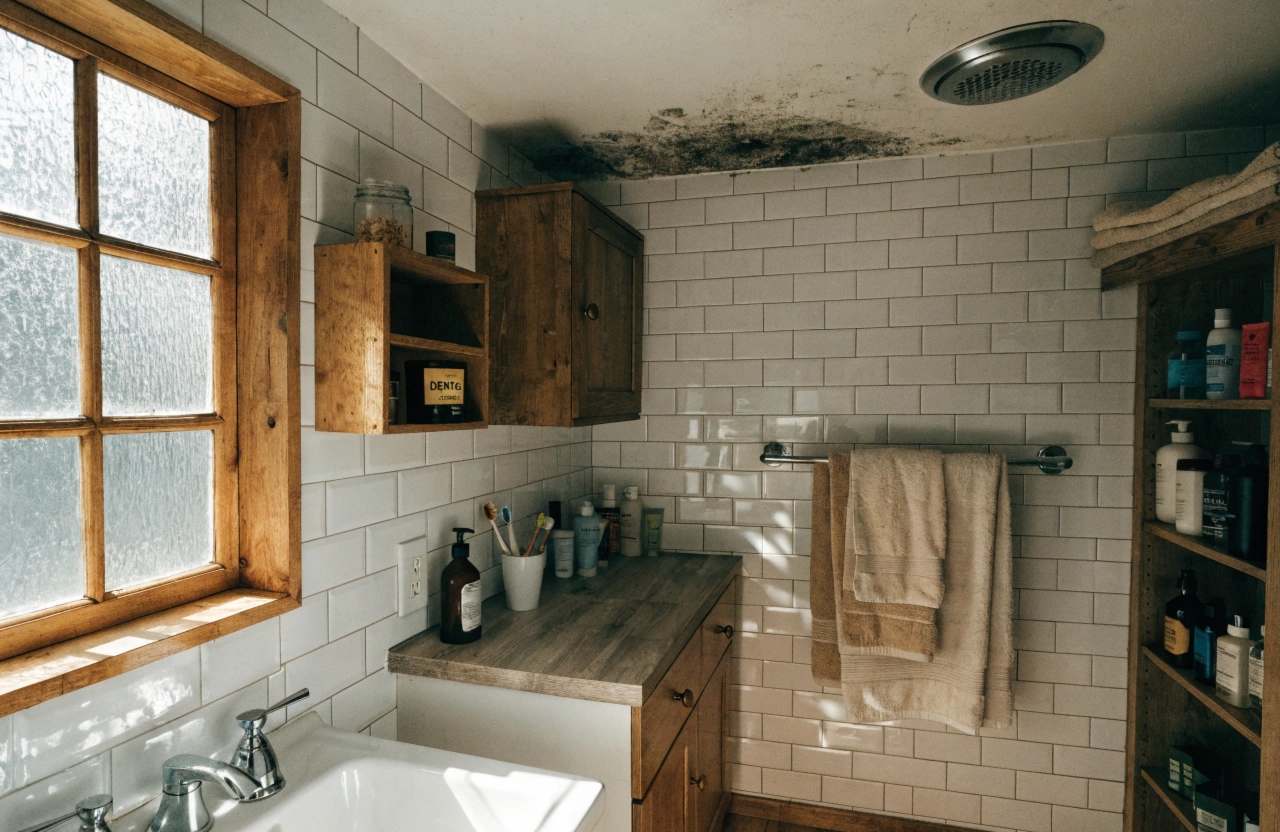
Professional mould removal in Newcastle is not the same as cleaning visible mould off a surface. A proper remediation process identifies the moisture source, treats mould at a structural level, and stops it from returning.
| Stage | What Happens |
| 1. Inspection | A certified technician assesses affected areas — including wall cavities, subfloors, and roof voids — to locate all mould growth and identify the moisture source |
| 2. Testing | Air and surface samples are analysed to identify mould species, spore counts, and whether toxic black mould is present |
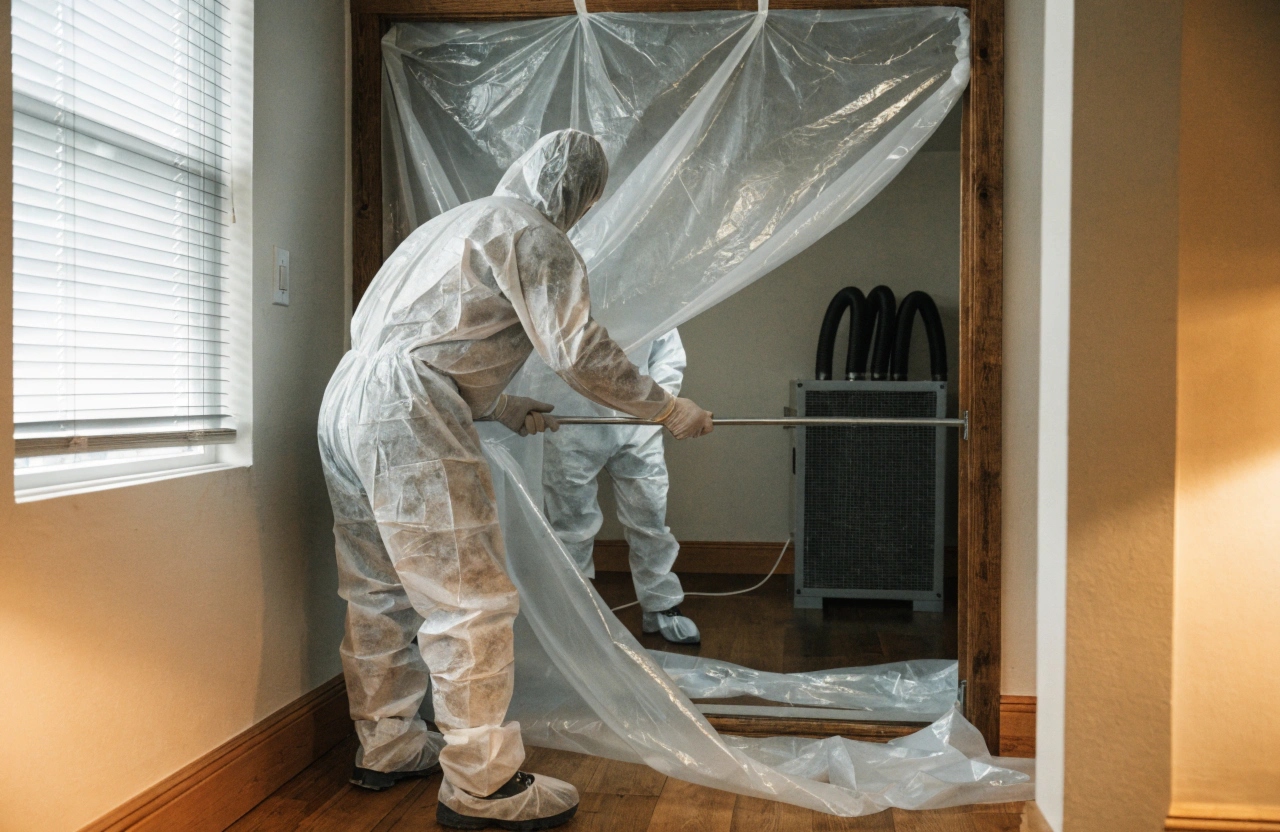
| 3. Containment | Affected areas are isolated to stop spores spreading to clean rooms during removal |
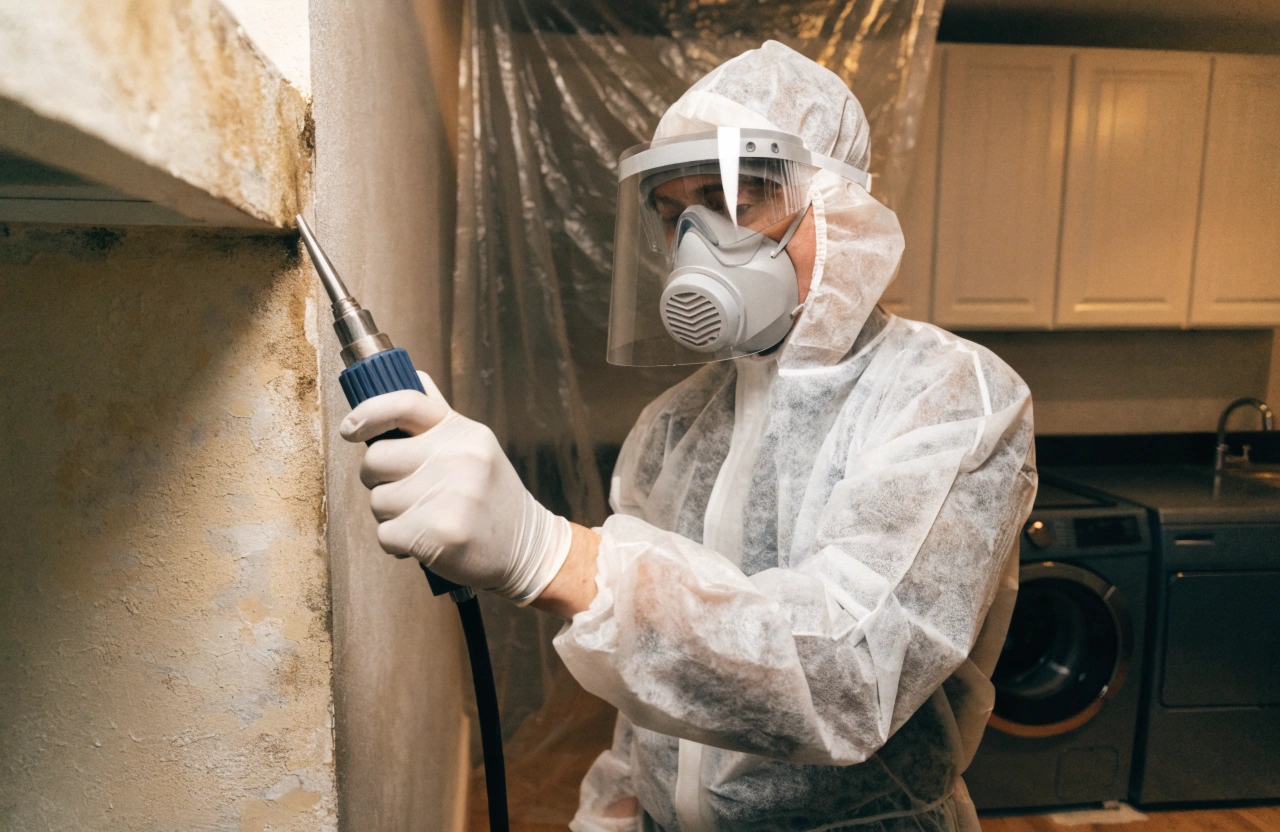
| 4. Removal & Remediation | Mould is removed using HEPA filtration and antimicrobial treatments, with compromised materials replaced where needed |
| 5. Moisture Control | The underlying cause — a leaking pipe, condensation point, or poor ventilation — is addressed so mould cannot return |
| 6. Clearance Testing | A post-remediation inspection confirms safe air quality standards, with a clearance certificate issued where required |
Professional mould removal addresses what you can’t see, not just what you can. That’s the difference between a result that lasts and one that comes back within a month.
Mould Removal Services for Newcastle Homes and Properties
Every mould problem is different. A bathroom ceiling with visible black spotting is a different job to hidden mould inside a wall cavity after a burst pipe. A rental property with chronic condensation issues needs a different approach to a pre-sale home requiring documentation and clearance certification.
Here’s what we do across the full scope of mould and water damage situations in the Hunter Region:
Why Newcastle Homeowners Choose Mould Removal Newcastle Experts
There’s no shortage of cleaning companies in the Hunter Region happy to quote on a mould job. What’s harder to find is a team that actually understands what they’re dealing with — the health implications, the structural risks, the local housing stock, and what a proper remediation result looks like.
IICRC Certified Technicians. Our technicians hold IICRC certification — the international benchmark for mould remediation. The methods, containment procedures, and treatment protocols we follow are the same standards insurance companies, building inspectors, and property lawyers rely on when verifying a job was done properly. When documentation matters, certification backs it up.
A local Newcastle business — not a Sydney company sending someone up. We’re based here and work here every day. We know the difference between a Federation cottage in Hamilton and a brick veneer in Wallsend. We know which suburbs carry the highest asbestos risk and what East Coast Low damage looks like inside a wall cavity weeks after the storm. When you call us, you’re speaking to someone who actually knows this region.
Before and after documentation. Every job is documented with photography from start to finish — for insurance claims, landlord disputes, pre-sale disclosures, or simply your own peace of mind that the work was completed properly.
Independent clearance certificates. After remediation, we arrange post-remediation verification testing through a NATA-accredited laboratory. The clearance certificate comes from an independent lab — not us verifying our own work — which is exactly what insurers, solicitors, and buyers want to see.
Insurance claim support. We provide the inspection reports, photographic documentation, and remediation certification your insurer needs to process a legitimate claim, and can walk you through what to document before you lodge.
Honest scoping — no unnecessary upselling. We quote based on what we actually find. If the problem is smaller than you feared, we’ll tell you that.


How Our Mould Removal Process Works — From First Call to Clearance Certificate
One of the biggest sources of anxiety for Newcastle homeowners calling a remediation company for the first time is not knowing what to expect. How disruptive is it? How long will it take? Will you need to leave the house? What happens if they find something worse than expected?
Here’s exactly how our process works, step by step:
We find the full picture — not just what’s visible
Every job starts with a thorough on-site inspection. A certified technician visits your property and assesses every affected area — including the spaces you can’t easily access yourself. Wall cavities, subfloor voids, roof spaces, behind cabinetry, inside ducted air conditioning systems. We’re not just looking at the mould you can see. We’re tracing it back to the moisture source that’s feeding it.
At the end of the inspection you’ll know exactly what you’re dealing with, where it is, what’s causing it, and what your options are. No vague assessments. No scare tactics. Just a clear picture of the actual situation.
Know exactly what you’re dealing with before any work begins
Where testing is warranted — and in many Newcastle homes it is, given the age of the housing stock and the health concerns involved — we collect air and surface samples for analysis at an independent NATA-accredited laboratory.
Testing tells us:
• Which mould species are present
• Spore concentrations in the air versus safe baseline levels
• Whether toxigenic mould including black mould is in the environment
• Whether affected materials contain asbestos that requires specialist handling before remediation proceeds
You receive a written laboratory report with results in plain language, not technical jargon.
The actual work — done properly, with no shortcuts
Once the scope is agreed, we get to work. Affected areas are contained using physical barriers and negative air pressure equipment to stop spores from spreading into clean areas of your home during the removal process.
Mould is then removed using:
• HEPA filtration vacuuming to capture airborne spores
• Antimicrobial treatment applied to affected surfaces and cavities
• Physical removal and replacement of materials that are beyond treatment — plasterboard, insulation, damaged timber framing
• Structural drying where water damage is present alongside mould growth
We work methodically and cleanly. Furniture is protected or moved as needed. Affected rooms are clearly communicated to you before we start, and we’ll tell you upfront how long each stage will take.
Fixing the cause, not just the symptom
Removing mould without addressing the moisture source that caused it is exactly why DIY treatments fail. Before we leave, we identify and — where it falls within our scope — rectify the underlying problem. That might mean recommending improved subfloor ventilation, resealing a compromised window frame, or referring you to a plumber for a slow leak inside a wall cavity.
Where the moisture source fix sits outside our direct scope, we document it clearly so you know exactly what needs to happen next and who to call.
Independent verification that the job is done
Once remediation is complete, we arrange post-remediation verification testing through an independent NATA-accredited laboratory. Air quality samples are collected and analysed to confirm spore counts have returned to safe levels and the environment is clear for normal reoccupation.
You receive a written clearance certificate — independently issued, not self-certified — that documents the pre and post remediation results. This is the document your insurer, solicitor, property manager, or prospective buyer will ask for if they want proof the job was done to a professional standard.
Who We Help
Mould problems don’t look the same from one household to the next. Here are the three situations we deal with most regularly across Newcastle.
The Health-Scared Parent
"I found black mould in my kid's bedroom. I don't know how long it's been there."
You’ve found mould in a room where your child sleeps. The recurring cough, the itchy eyes — you’re connecting the dots. What you need is a fast, honest assessment. Not a sales pitch. Just to answer: how serious is this, and what needs to happen? We’ll get to you quickly and give you a scope of the solution.
The DIY Failure
"I've treated this three times myself. It keeps coming back. I don't understand why."
You’ve treated it three times. It keeps coming back. You’re not failing — the product is. Off-the-shelf sprays kill surface mould but can’t reach what’s colonised inside the plasterboard, insulation, or timber framing behind the wall. The source is structural. Professional remediation gets to where the problem actually lives.
The Pre-Sale Homeowner
"We're listing in four months. The building inspector flagged mould risk. I need this sorted properly."
A building inspector flagged mould risk and now you need it sorted — properly documented, independently certified, and ready for your solicitor. A clearance certificate, before and after photography, and a written remediation report that gives prospective buyers no reason to walk.
Frequently Asked Questions About Mould Removal in Newcastle
How much does mould removal cost in Newcastle?
Mould removal in Newcastle typically ranges from $300–$500 for a straightforward bathroom treatment to $3,000–$8,000+ for full structural remediation following flood or storm damage. The cost depends on the size of the affected area, the mould species present, whether materials like plasterboard or insulation need replacing, and whether independent testing and clearance certification is required. We provide a written quote after inspection — no estimates over the phone based on guesswork.
Is black mould dangerous?
Black mould — particularly Stachybotrys chartarum — produces mycotoxins that can cause respiratory irritation, headaches, fatigue, and in prolonged exposure situations, more serious health effects. Children, the elderly, and people with asthma or compromised immune systems are most vulnerable. Not every dark-coloured mould is Stachybotrys — laboratory testing is the only reliable way to confirm species and spore concentrations. If you suspect black mould, don’t disturb it. Get it tested first.
Why does mould keep coming back after I clean it?
Because surface cleaning doesn’t address the mould colony living inside the wall, ceiling, or floor structure — and it doesn’t fix the moisture source feeding it. Off-the-shelf sprays kill what’s on the painted surface. The moment humidity rises again, the colony behind the surface pushes back through. Professional remediation treats the structure, not just the face of it, and addresses the underlying moisture problem so the conditions that caused it don’t continue.
Does home insurance cover mould removal in Newcastle?
It depends on the cause. Mould resulting from a sudden, identifiable water damage event — a burst pipe, storm damage, a leaking roof after an East Coast Low — is generally claimable under a standard home and contents policy. Mould resulting from long-term condensation or gradual moisture build-up is typically excluded as a maintenance issue. We provide the inspection reports, photographic documentation, and remediation scope that insurers require to assess a legitimate claim.
I can smell mould but I can't find it — what should I do?
Smell without visible mould almost always means the growth is hidden — inside a wall cavity, behind cabinetry, under flooring, in a subfloor void, or inside a ducted air conditioning system. In Newcastle homes, subfloor mould following storm water ingress and wall cavity mould behind wet areas are the two most common hidden sources. Air quality testing can confirm elevated spore counts even when nothing is visible, and a professional inspection can locate the source without you having to open up every wall yourself.
What are my rights as a tenant if my landlord won't fix mould in Newcastle?
Under NSW tenancy law, landlords are required to provide and maintain a property in a reasonable state of repair. Mould resulting from structural defects, poor ventilation, or water ingress is generally the landlord’s responsibility to remediate — not the tenant’s. If your landlord is dismissing mould as a lifestyle issue, you have the right to lodge a maintenance request in writing, escalate to NSW Fair Trading, and in serious cases apply to NCAT for a repair order. An independent inspection report documenting the mould, its extent, and its likely cause is a powerful piece of evidence in any tenancy dispute.
Will mould come back after professional remediation?
Not if the moisture source is properly identified and addressed. Mould is a symptom of a moisture problem. When remediation includes fixing the underlying cause — whether that’s improving subfloor ventilation, resealing a window frame, rectifying a slow leak, or upgrading bathroom exhaust — the conditions that allowed mould to grow in the first place are removed. Where the moisture source is outside our direct scope, we document it clearly so you know exactly what follow-up is needed.
Do Newcastle homes have a higher mould risk because of asbestos?
Asbestos doesn’t cause mould — but in Newcastle homes built before 1987, mould and asbestos can exist in the same materials. Disturbing asbestos-containing plasterboard, ceiling tiles, or wet area linings during DIY mould removal is a genuine health and legal risk. Our technicians are trained to identify materials that may contain asbestos before any removal work begins, and where asbestos is present or suspected, we follow the appropriate safe work procedures and engage licensed asbestos assessors as required.
Ready to Get Rid of the Mould — For Good?
If you’ve been putting this off because you weren’t sure how serious it was, or because you tried to handle it yourself and it came back, or because you just didn’t know who to call — this is the right next step.
Mould doesn’t get smaller on its own. In Newcastle’s coastal climate, with the humidity levels, the older housing stock, and the storm patterns this region deals with, it moves in one direction. Getting a professional assessment early is almost always cheaper, faster, and less disruptive than waiting until the problem has spread into the structure.
We’ll come to you, tell you exactly what we find, and give you a clear written quote before any work begins. No pressure. No guesswork. No bill for work you didn’t need.
Our Newcastle & Hunter Region Service Areas
We provide mould inspection, testing, removal, and remediation services across Newcastle and the broader Hunter Region, including:
| Merewether | Bar Beach | Hamilton | Kotara | Broadmeadow | Lake Macquarie |
| Charlestown | New Lambton | Wallsend | The Junction | Lambton | Singleton |
| Mayfield | Waratah | Wickham | Shortland | Beresfield | Muswellbrook |
| Stockton | Islington | Adamstown | Cessnock | Raymond Terrace | Maitland |
| Jesmond | Cardiff | Glendale | Nelson Bay | Elemore Vale | Cooks Hill |
Not sure if we cover your area? Give us a call — if we can’t help you directly, we’ll point you in the right direction.
