

When Mould Remediation Is Required
Not every mould problem requires full remediation — but several situations escalate well beyond what a surface treatment can resolve. Large surface coverage of one square metre or more is a reliable indicator that spore colonisation has moved beyond the superficial layer. Mould discovered inside wall cavities, subfloor spaces, or roof voids cannot be addressed with spray-and-wipe methods and require a structured, contained approach.
Recurring mould that returns within weeks or months of previous treatments is a strong signal that the source has never been properly identified or addressed. Properties that have experienced water damage, flooding, or prolonged moisture intrusion from leaking roofs, plumbing failures, or storm events are at high risk of deep mould colonisation across multiple building materials. Properties occupied by immunocompromised individuals, young children, or occupants with respiratory conditions warrant a higher standard of response regardless of visible coverage. In each of these scenarios, professional mould remediation is the appropriate and responsible course of action.

Signs Your Property Needs Professional Mould Remediation
Several indicators point to a mould problem that has moved beyond the scope of DIY treatment. Visible mould growth across large surface areas — on walls, ceilings, or floors — particularly where the same patches have been treated and returned, is a clear signal that professional intervention is required.
A persistent musty odour that remains even after cleaning suggests active mould colonisation inside building materials, cavities, or concealed spaces that surface products cannot reach. Unexplained health symptoms among occupants — including chronic respiratory irritation, persistent coughing, headaches, or worsening asthma — can indicate elevated airborne spore counts in the indoor environment.
Visible water staining, bubbling paint, warped architraves, or discolouration on cornices are physical signs of moisture intrusion that commonly precede or accompany serious mould events. Properties that have experienced recent flooding, roof leaks, or plumbing failures should be assessed professionally regardless of visible mould coverage. Where any of these indicators are present, a certified mould remediation assessment is the appropriate next step.
Inspection and Moisture Mapping
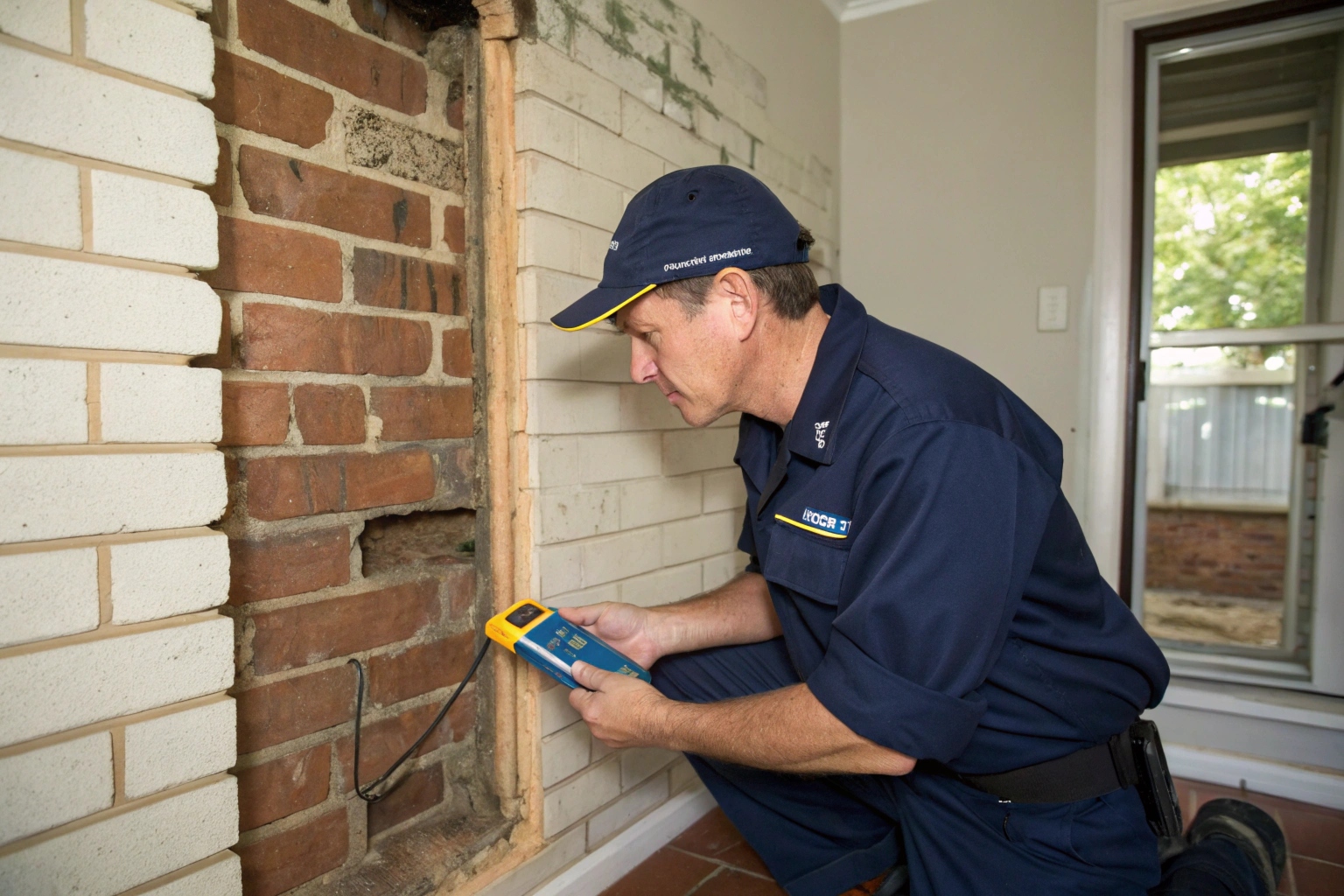
Every mould remediation project begins with a thorough inspection and moisture mapping of the affected property. This stage identifies not just where mould is visibly present, but where elevated moisture levels exist within building materials — walls, floors, ceilings, and subfloor spaces — that are sustaining active growth or creating conditions for future colonisation.
Our technicians use thermal imaging cameras and calibrated moisture meters to detect hidden damp zones that visual inspection alone cannot identify. This equipment locates moisture trapped behind wall linings, water-affected flooring substrates, and condensation accumulation inside ceiling cavities without the need for invasive opening of walls in every affected area.
The moisture mapping process produces a detailed picture of the full extent of the mould event — including areas beyond what is visible — and forms the foundation of the remediation scope. No treatment plan is developed without completing this stage first.
Newcastle Properties Most at Risk of Serious Mould Events
Newcastle’s combination of coastal humidity, Hunter River exposure, and ageing housing stock creates a higher baseline risk of serious mould events than most inland NSW markets. Properties built before 1980 are particularly vulnerable — original construction methods rarely included vapour barriers, subfloor ventilation, or damp-proof membranes, leaving building materials with limited protection against persistent moisture intrusion. Suburbs including Adamstown, Merewether, Cooks Hill, Mayfield, and Hamilton carry a high concentration of Federation and post-war dwellings where these conditions are common.
Property types most frequently requiring full mould remediation in Newcastle include:
- Federation and Californian bungalows with original subfloor cavities and single-glazed windows
- 1960s–1980s brick veneer homes with inadequate wall insulation and poor cross-ventilation
- Newer builds with envelope issues are causing trapped condensation inside wall systems
- Strata units with shared pipe infrastructure and limited individual ventilation control
- Rental properties under compliance obligations following water damage or storm events
Where these property types have also experienced East Coast Low storm damage, roof leaks, or plumbing failures, the risk of deep mould colonisation across multiple building materials is significantly elevated.
Removal and Disposal of Mould-Affected Materials
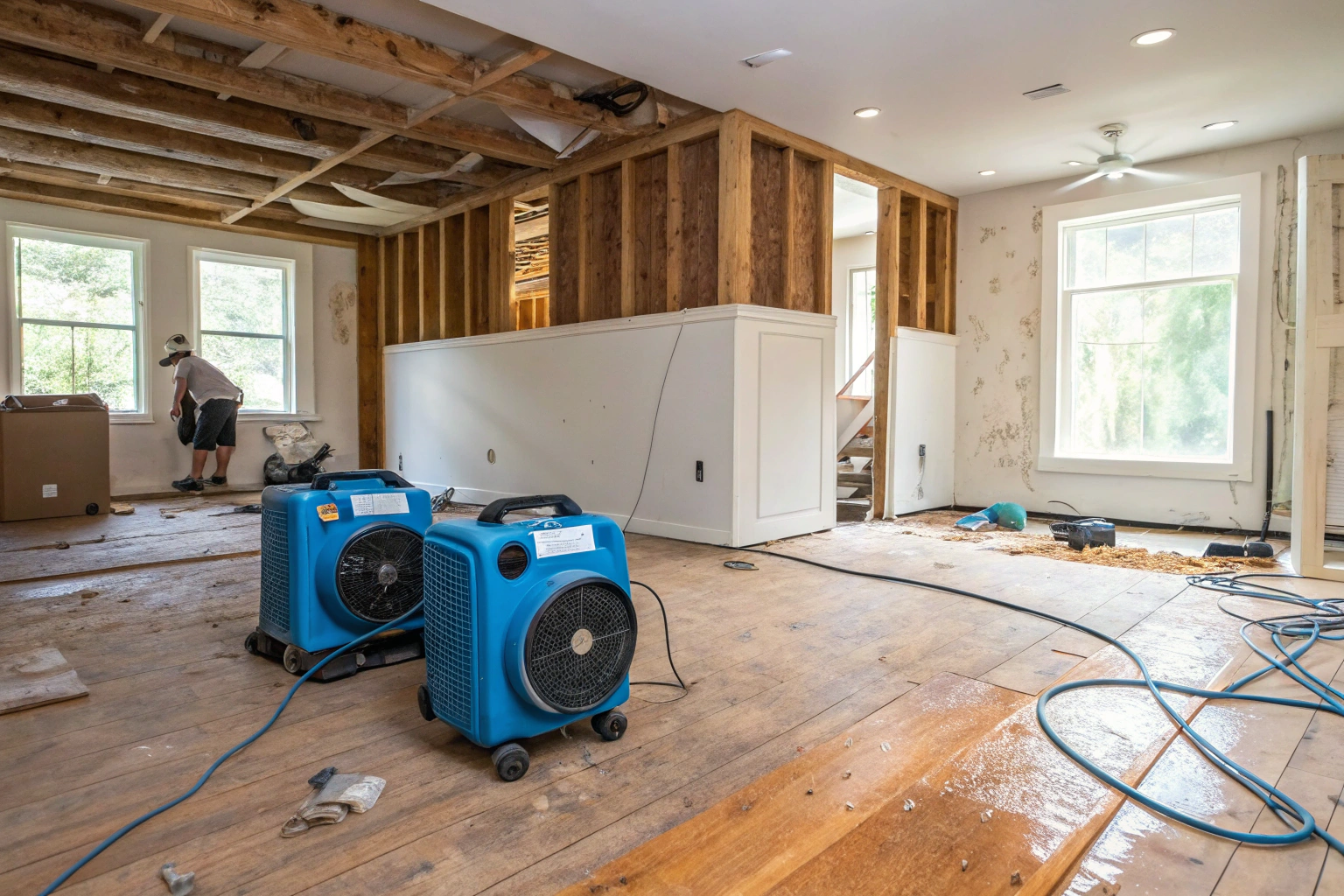
Not all mould-affected materials can be salvaged through cleaning and treatment alone. Porous building materials that have sustained deep fungal colonisation — including plasterboard, wall insulation, ceiling linings, particleboard flooring, and soft furnishings — are assessed during the inspection stage for salvageability. Where material integrity has been compromised or spore penetration extends beyond the surface layer, removal is the appropriate course of action.
All non-salvageable materials are removed carefully within the established containment zone to prevent cross-contamination during the extraction process. Removed materials are double-bagged in heavy-duty polyethylene, sealed, and transported from the site in accordance with NSW waste disposal requirements. Documentation of all removed materials forms part of the formal remediation record submitted at project close. Where removal creates structural voids — particularly in wall cavities or subfloor framing — the reinstatement scope is clearly defined before works conclude, so the property is returned to a functional and safe condition.
Health and Safety Protocols During Remediation
Protecting both occupants and technicians throughout the remediation process is a non-negotiable component of every project we undertake. Our technicians operate in full personal protective equipment — including P2 respirators, disposable coveralls, and nitrile gloves — rated for the specific contamination level present at each site.
Containment protocols prevent cross-contamination to unaffected areas of the property during active works. Physical barriers using polyethylene sheeting are erected at containment zone entry points, and negative air pressure is maintained inside the work zone where required to direct airborne particles away from clean areas of the building.
All mould-affected materials designated for removal — including sections of plasterboard, insulation, and soft furnishings beyond salvage — are double-bagged and disposed of in accordance with NSW waste handling requirements. Occupants are advised on re-entry timing based on treatment products used and post-remediation air quality results, with clearance confirmed before the property is returned to full occupancy.
The Mould Remediation Process Explained
| Step 1: Inspection & Moisture Mapping | Step 2: Containment & Treatment | Step 3: Testing & Clearance |
|---|---|---|
| Every project begins with a thorough site inspection using thermal imaging cameras and calibrated moisture meters to identify all mould-affected areas and hidden moisture zones. This stage defines the full remediation scope before any treatment begins. | Physical containment barriers are erected to isolate the work zone before HEPA vacuuming and professional-grade antimicrobial treatment is applied to all affected surfaces. Non-salvageable materials are removed, double-bagged, and disposed of in accordance with NSW waste handling requirements. | Post-remediation air quality samples are collected and analysed to confirm airborne spore counts have returned to normal fungal ecology levels. A formal clearance certificate is issued once results confirm the space meets safe re-occupancy standards. |
Frequently Asked Questions
Mould removal addresses visible surface mould. Mould remediation is a certified, structured process that covers containment, treatment, material assessment, air quality testing, and formal clearance verification — returning the property to a safe, normal fungal ecology.
Project duration depends on the extent of mould colonisation and the number of affected areas. A single-room remediation typically takes one to two days. Larger projects involving multiple areas or material removal may require three to five days.
Remediation is required when mould coverage exceeds one square metre, mould is present inside wall cavities or subfloor spaces, the property has experienced water damage or flooding, or occupants include young children or immunocompromised individuals.
A clearance certificate is a formal document issued following post-remediation air quality testing. It confirms that airborne spore counts have returned to normal levels and the property is safe for re-occupancy. It is accepted by insurers, strata managers, and landlords.
Coverage depends on the policy and the cause of the mould event. Mould resulting from a sudden, defined water damage event — such as a burst pipe or storm ingress — is more commonly covered than mould from gradual moisture build-up or maintenance issues.
Get a Professional Mould Remediation Assessment in Newcastle
Mould remediation is a structured, certified process — and the starting point is always a thorough professional assessment. Our certified technicians cover Newcastle and surrounding suburbs, providing detailed moisture mapping, air quality testing, and a clear remediation scope before any works begin.
For Newcastle homeowners, landlords, strata managers, and property managers dealing with a significant mould event, a professional assessment is the fastest way to understand the full extent of the problem and the appropriate course of action. Contact us today to book your free mould remediation assessment and get documented answers from a certified specialist.
