
Does Mould-Affected Insulation Always Need to Be Replaced?
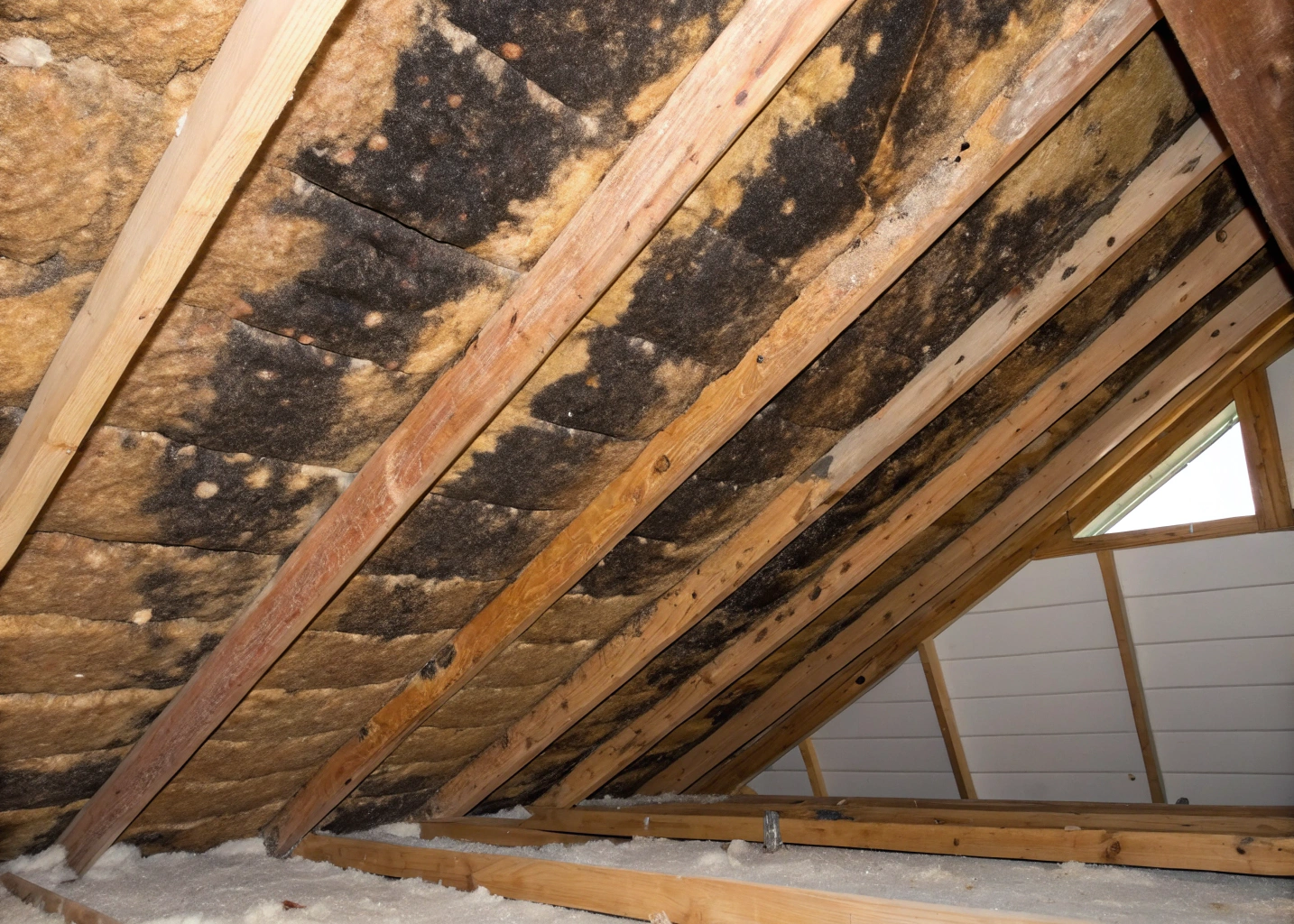
Yes — in almost all home situations, mould-affected insulation needs to be removed and replaced, not treated. Fibreglass and polyester batts soak up moisture through their full depth. Once mould gets into the material, no antifungal treatment can penetrate deep enough to clear the contamination. Leaving affected insulation in place after a mould job gives mould a live spore source that will recontaminate treated surfaces over time.
Replacement is required when:
- Ceiling batts have been wet from a roof leak or condensation
- Wall cavity insulation has been soaked by water tracking through the wall
- Subfloor batts have absorbed ground moisture or been caught up in a subfloor mould event
- Any fibreglass or polyester product shows visible mould growth or moisture saturation
The one exception:
Closed-cell spray foam has low porosity and resists moisture. Minor surface mould on spray foam may be treatable without full removal — but this needs to be assessed on site.

What a Mould Remediation Report Means for Your Insulation
When a remediator or building inspector puts insulation replacement in their report, it’s not a recommendation — it’s a requirement for the remediation to hold.
Here’s why. Once contaminated insulation stays in the ceiling, wall, or subfloor, it keeps releasing spores into the cavity. Those spores settle back onto the surfaces that were just treated. Within weeks or months, the mould is back — and the remediation work you paid for has been undone.
Remediators can’t treat insulation in place because the contamination runs deeper than any surface product can reach. Removal is the only way to fully clear the cavity.
If your report flags insulation for replacement, that recommendation reflects standard industry practice. It’s not upselling. It’s the step that protects everything else that’s been done — and the only way to give the remediation result a chance of lasting.
Types of Insulation Affected and Where Mould Takes Hold
The location of your insulation determines both how it gets contaminated and what’s involved in replacing it.
Ceiling Insulation
Fibreglass and polyester batts in ceiling spaces absorb moisture from roof leak ingress and condensation. Once wet, they lose their thermal performance and mould works through the full depth of the batt. Ceiling insulation makes up the majority of what we remove and replace across Newcastle’s older housing stock.
Wall Cavity Insulation
Water tracking through brick veneer or weatherboard walls saturates batts from behind. By the time we open the wall, the contamination has usually spread further than the visible damage zone. Wall cavity insulation is often the last thing homeowners know is affected — and the first thing we check when a remediation job points to an internal wall.
Subfloor Insulation
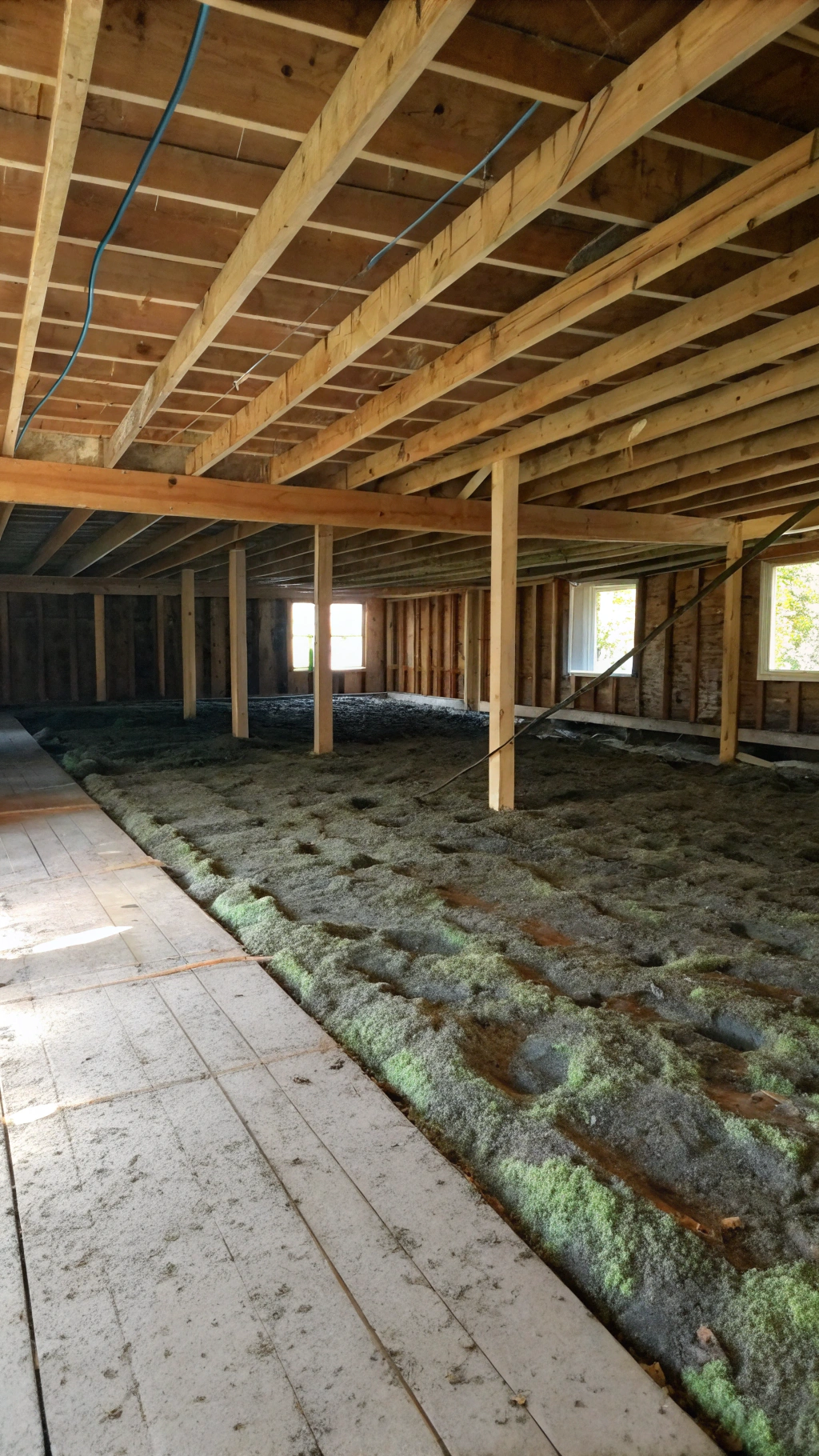
Batts fixed to the underside of flooring cop the worst of ground moisture and subfloor mould events. Subfloor insulation replacement almost always needs to be paired with a moisture barrier — because replacing the batts without addressing the moisture source underneath means the new insulation will recontaminate in the same conditions that destroyed the last lot.
Newcastle Properties and Insulation Damage — Local Risk Factors
Newcastle’s climate creates conditions that wear insulation down faster than most homeowners expect.
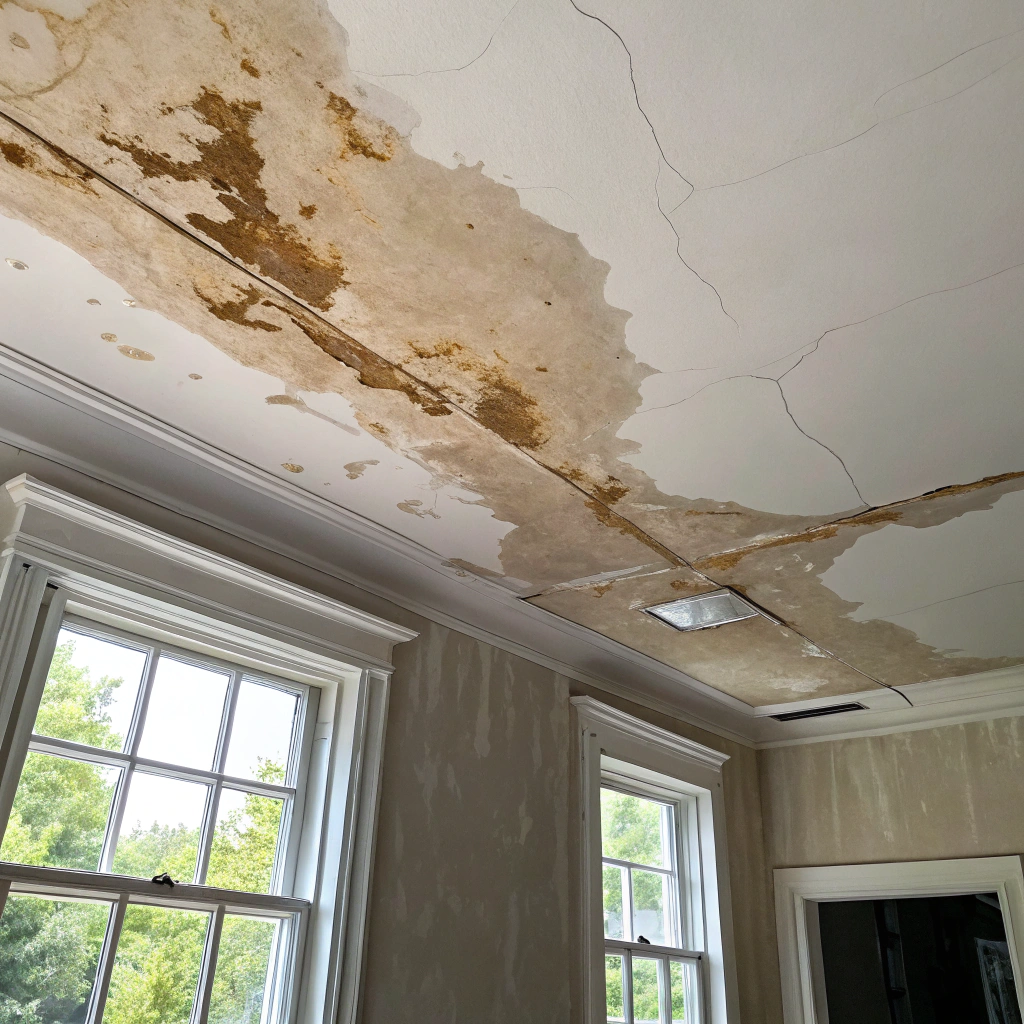
Storm season brings roof leak ingress that soaks ceiling batts before anyone knows there’s a problem. By the time a water stain appears on the ceiling, the insulation above it has often been wet for weeks. We see this regularly in older homes across Wallsend, Charlestown, and Kotara.
Ground moisture is a constant issue in older timber-framed homes across Hamilton, Islington, and Adamstown. Subfloors in these properties sit close to the ground with limited ventilation, and batts absorb rising damp over time with no visible warning signs inside the home.
Brick veneer construction makes up a large portion of Newcastle’s housing stock. Water tracks through the veneer cavity and saturates wall insulation from behind — quietly, over months — until remediation opens the wall and reveals how far the damage has spread.
The Safe Removal Process — Containment, Handling, and Disposal
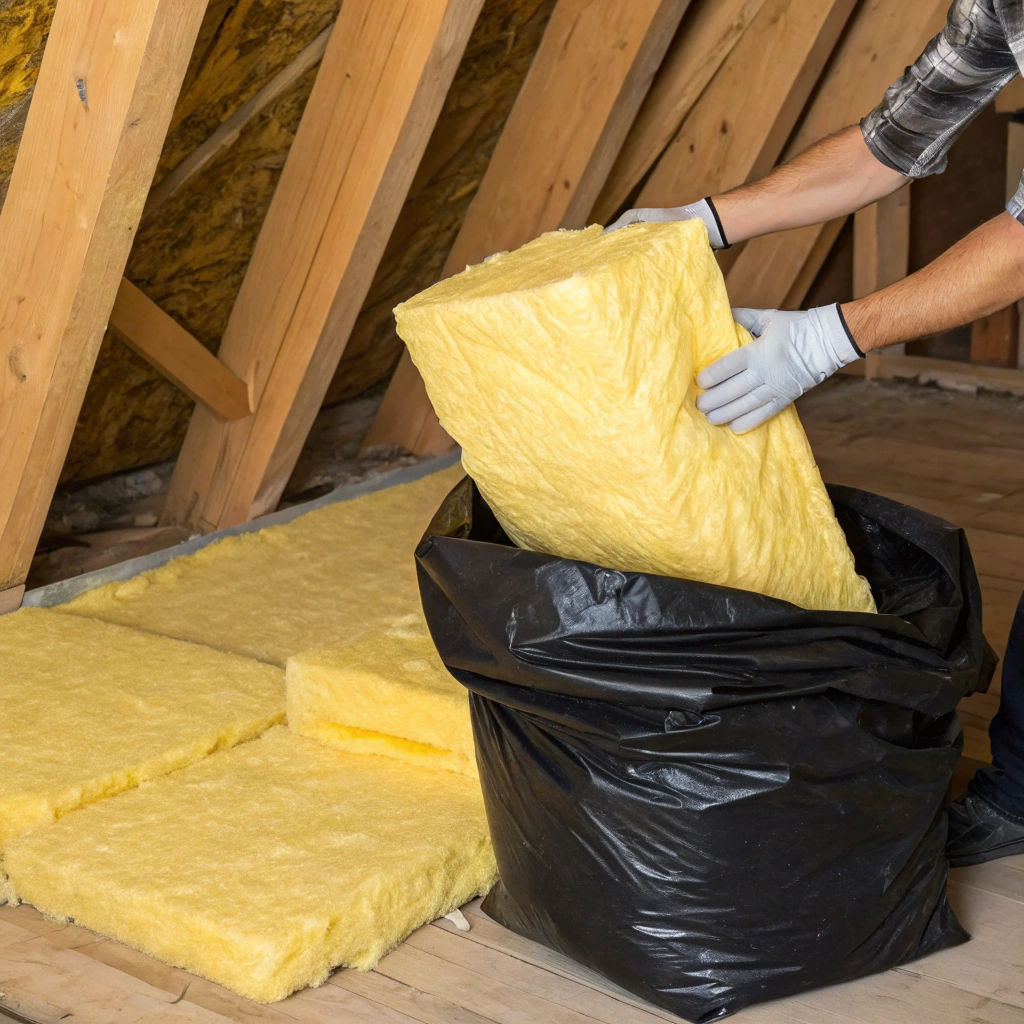
Contaminated insulation can’t just be pulled out and bagged up. Mould-affected material needs to be handled carefully to avoid spreading spores through the rest of the home during removal.
Containment and PPE: Before any insulation comes out, we contain the work zone and suit up in full PPE. This stops spores from moving into adjacent rooms or living areas while the removal is underway.
Removal and Disposal: We remove contaminated batts carefully to avoid fragmenting or disturbing the material more than necessary. Everything is bagged and disposed of as contaminated waste — not thrown in general skip bins.
Cavity Inspection Before Reinstatement: Once the old insulation is out, we inspect the underlying structure before anything new goes in. If there’s mould on the framing or sheeting, we treat it at this stage. New insulation doesn’t go into a cavity until we’ve confirmed it’s dry, treated, and ready.
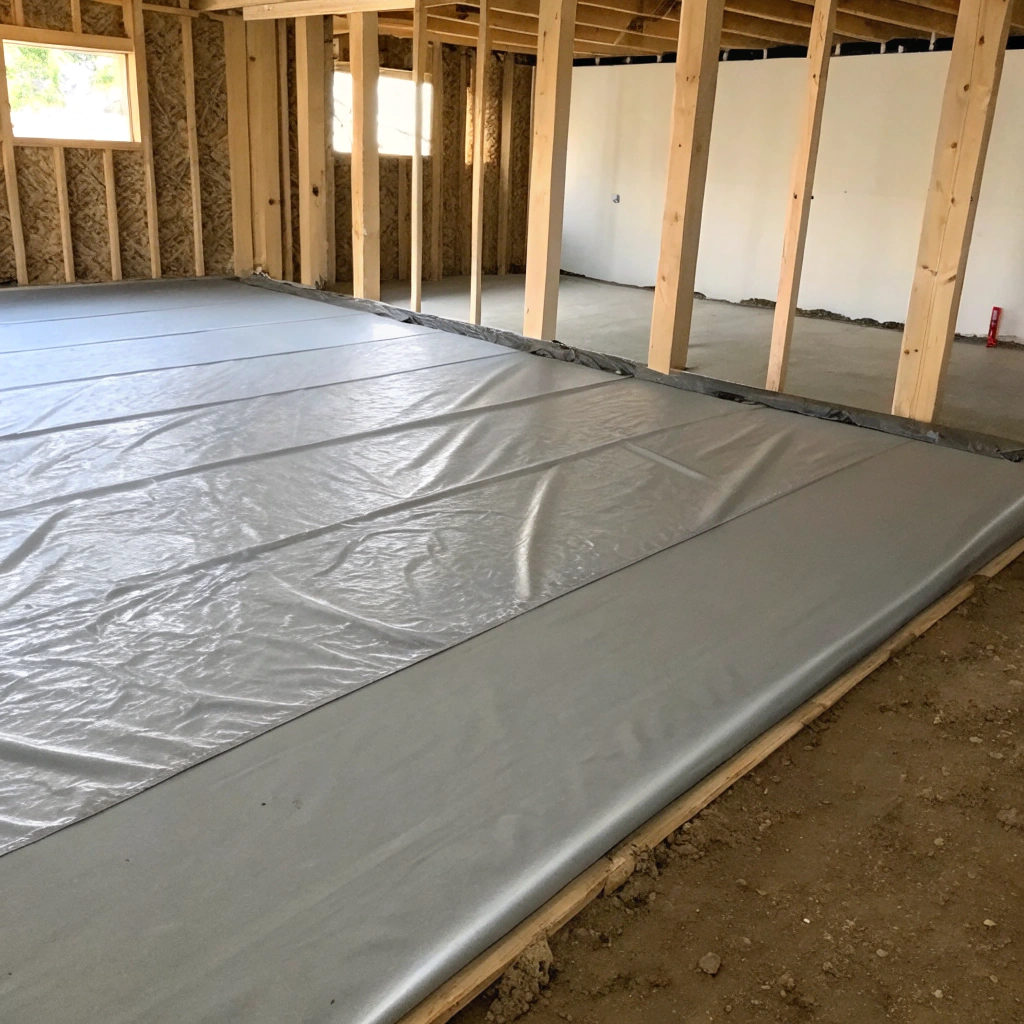
Subfloor Moisture Barriers — Addressing the Source Before Reinstating Insulation
Subfloor insulation replacement is rarely a straight batt-for-batt swap in Newcastle homes. In most cases, the moisture source needs to be dealt with before new insulation goes in.
Why a Moisture Barrier Is Required: Rising damp and ground moisture drive most subfloor mould events. If we replace the insulation without installing a ground moisture barrier, the new batts go straight back into the same conditions that destroyed the last lot. A moisture barrier is what makes the replacement last.
Installation Process: We lay a ground moisture barrier across the subfloor space before any new insulation goes in. Overlaps and fixings are done properly to make sure there are no gaps in coverage. Where subfloor ventilation is inadequate, we assess that at the same time — because a barrier alone won’t hold if airflow through the subfloor space isn’t sufficient.
What to Expect — Assessment, Quote, and Timeframes
Engaging us is a straightforward process.
We start with an on-site assessment to confirm the scope — which cavities are affected, what insulation type is involved, and how far the contamination has spread. We don’t quote blind from photos or descriptions, because the extent of damage in a ceiling space or subfloor isn’t always obvious until someone gets in there.
From the assessment, you get a clear written quote with no hidden costs. The quote covers removal, disposal, cavity inspection, and full reinstatement to NCC requirements — everything in one scope.
Timeframes vary by job size. A single ceiling space is typically completed in a day. Wall cavity and subfloor jobs with moisture barrier installation take longer depending on the area involved — we’ll give you a realistic timeframe at quote stage, not after we’ve started.
From the first call through to reinstatement, we handle the whole job. No coordinating between separate contractors, no gaps in the process.
Frequently Asked Questions
No. Fibreglass and polyester batts are porous and absorb moisture through their full depth. Once mould gets into the material, no surface treatment can reach far enough to clear the contamination. Removal and replacement is the only outcome that works.
A remediation report or building inspection will flag it directly. If you haven’t had a formal assessment, signs include persistent musty smell in the home, visible mould on ceilings or walls near the insulation zone, or a history of roof leaks, rising damp, or water ingress.
We assess this on site. In some cases only the directly affected sections need to come out. In others, moisture has spread further than the visible damage zone and a wider removal is the right call. We won’t pull out more than is necessary.
We contain the work zone before removal starts to keep spores out of living areas. Most ceiling insulation jobs are completed in a day. Subfloor work is done from underneath the home and doesn’t require access through living spaces at all.
We install to current NCC energy efficiency requirements for Newcastle’s climate zone. Standard fibreglass or polyester batts for ceiling spaces, and moisture-resistant products for wall cavities and subfloor areas where the environment warrants it.
In most Newcastle subfloor scenarios, yes. Rising damp and ground moisture are behind most subfloor mould events. Replacing the insulation without a ground moisture barrier puts the new batts straight back into the same conditions. We assess this as part of every subfloor job.
Book Your Insulation Assessment and Replacement Quote
We’ll confirm the scope, provide a clear written quote, and handle removal and replacement from start to finish.
If you’ve received a remediation report or building inspection recommendation, or you suspect your insulation may be mould-affected, get in touch today.
Call us on 0240722397
- Licensed and insured Newcastle operator
- Safe disposal of all contaminated material
- Replacement to current NCC energy efficiency requirements
- Clearance documentation available on request
