
Why Newcastle Homes Develops Crawl Space Mould
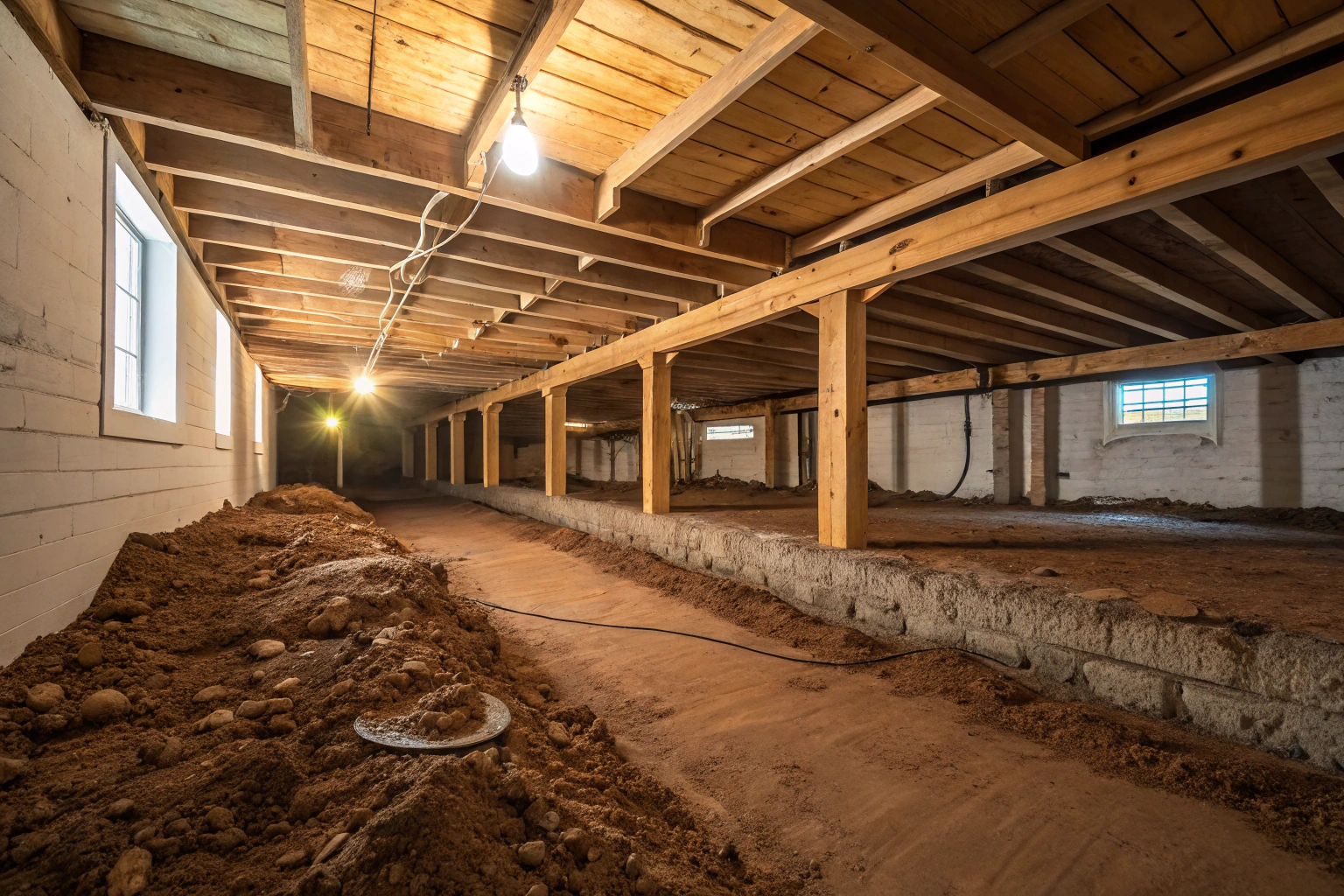
Newcastle’s older housing stock creates near-ideal conditions for crawl space mould. Suburbs like Hamilton, Islington, and Adamstown are characterised by timber-framed homes built before modern subfloor ventilation standards — properties where subfloor vents are undersized, partially blocked, or positioned in ways that create dead air pockets beneath the floor system.
Clay-heavy soils across much of the Newcastle basin retain ground moisture year-round, releasing vapour upward into the confined void below the bearers and joists. Combined with coastal humidity levels that keep baseline atmospheric moisture elevated even in dry weather, the subfloor environment rarely reaches the dryness needed to prevent mould colonisation on timber surfaces.
Ageing plumbing running through the crawl space introduces a further risk — slow leaks from corroded pipes or deteriorating joints go undetected for months or years in spaces that receive no regular inspection. Each undetected leak compounds the existing moisture load, accelerating fungal growth across bearers, joists, and any insulation batts installed within the void.

Crawl Space Mould Warning Signs Homeowners Shouldn’t Ignore
Crawl space mould rarely announces itself directly. Because the affected environment sits beneath sealed flooring, the indicators appear indirectly — and are frequently misattributed to other causes before the subfloor is inspected.
Musty odours at floor level are the most consistent early indicator. When mould colonises bearer and joist timber, spores and mycotoxins migrate upward through flooring gaps, skirting board junctions, and subfloor penetrations used by plumbing and electrical conduits. The smell is often strongest in ground-floor rooms, hallways, and areas adjacent to bathrooms or laundries.
Worsening indoor air quality — increased dust, persistent stuffiness, or household members experiencing unexplained respiratory irritation — can indicate active spore migration from the crawl space into living areas above.
Soft, springy, or uneven flooring is a structural indicator that mould-driven timber decay has already progressed beyond surface colonisation. At this stage, floor joists or bearers may have lost structural integrity, making prompt professional assessment a priority.
A building inspection report flagging subfloor moisture or mould is a sufficient reason to book a dedicated crawl space inspection immediately.
Contaminated Insulation Removal from Crawl Spaces
Insulation batts installed within the crawl space void are among the first materials to show significant mould damage when subfloor moisture levels rise. Unlike timber, which can be treated and retained in many cases, contaminated insulation cannot be remediated in place — it must be physically removed, bagged, and disposed of in accordance with waste handling requirements.
Glasswool and polyester insulation batts absorb and retain moisture readily, creating a sustained contact point between ground vapour and the underside of the floor system. Once mould colonises the batt material, the insulation functions as an active mould reservoir — continuously releasing spores into the crawl space environment regardless of surface treatments applied elsewhere.
Our technicians remove all mould-affected insulation from the crawl space as part of the treatment process, clearing the void before antifungal treatment of timber surfaces proceeds. Where replacement insulation is appropriate, it is installed only after the space has been fully treated, dried, and moisture-assessed to confirm safe conditions.
Why Crawl Space Mould Goes Undetected for Years
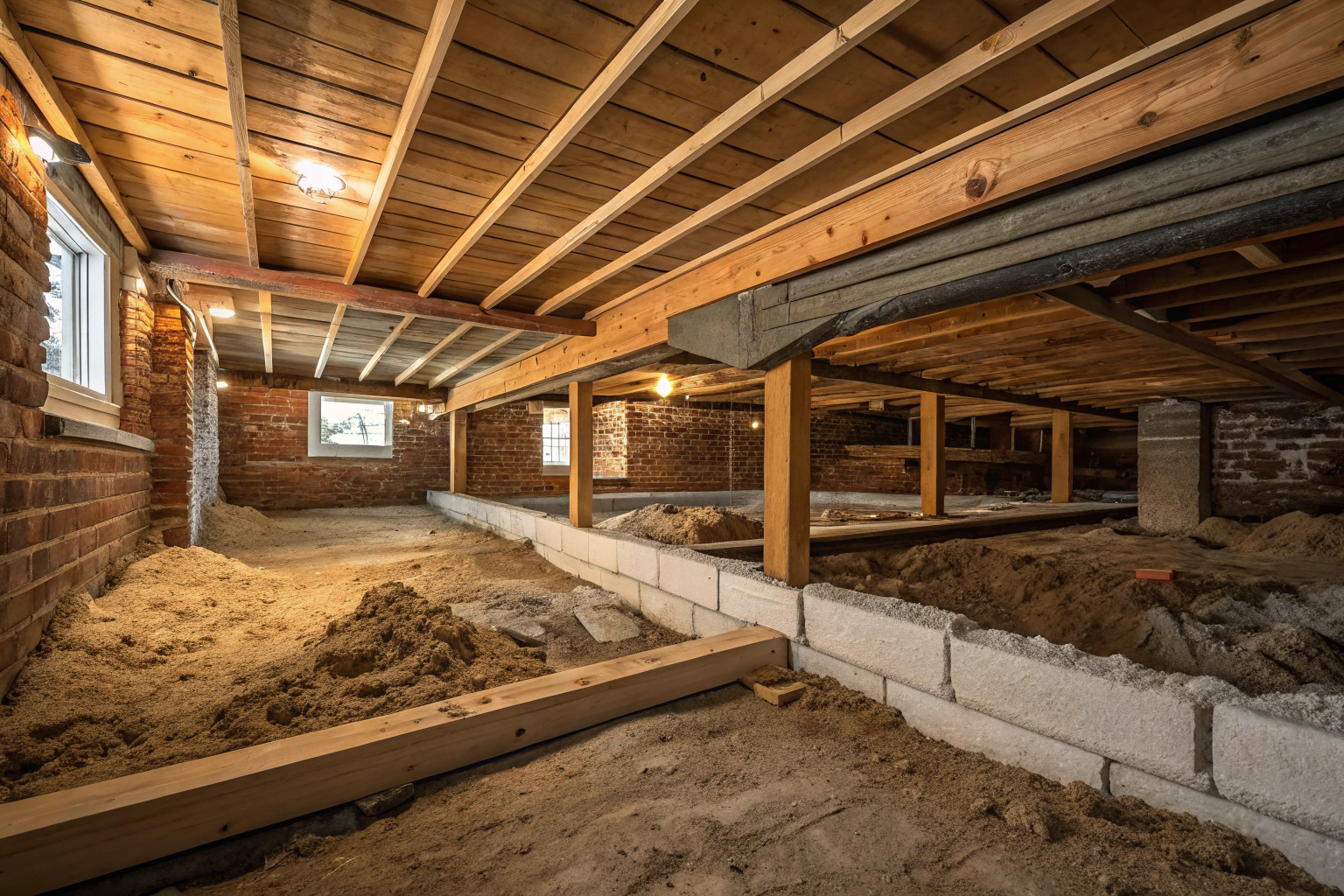
The crawl space is the least accessed area of any residential property. Unlike a roof space that may be entered during antenna or insulation work, or a bathroom wall cavity exposed during a renovation, the subfloor void typically receives no attention between the original construction and the first time a plumber or building inspector physically enters it. For many Newcastle homes, that gap spans decades.
- Restricted access discourages routine inspection — most homeowners never enter the crawl space at all
- Gradual symptom onset means musty odours and air quality changes are attributed to other causes
- No visible surface indicators are present until mould has progressed to flooring, skirting, or wall bases
- Ageing plumbing leaks develop slowly, adding moisture load incrementally rather than through a single identifiable event
By the time crawl space mould is identified — through a building inspection report, a plumber’s observation, or deteriorating flooring above — the fungal growth has typically been active for one to several years. The treated area is rarely limited to a single surface. Bearers, joists, noggins, and insulation across the full subfloor footprint commonly require assessment, with affected zones often larger than the homeowner anticipates.
Crawl Space Mould and Your Property’s Long-Term Value
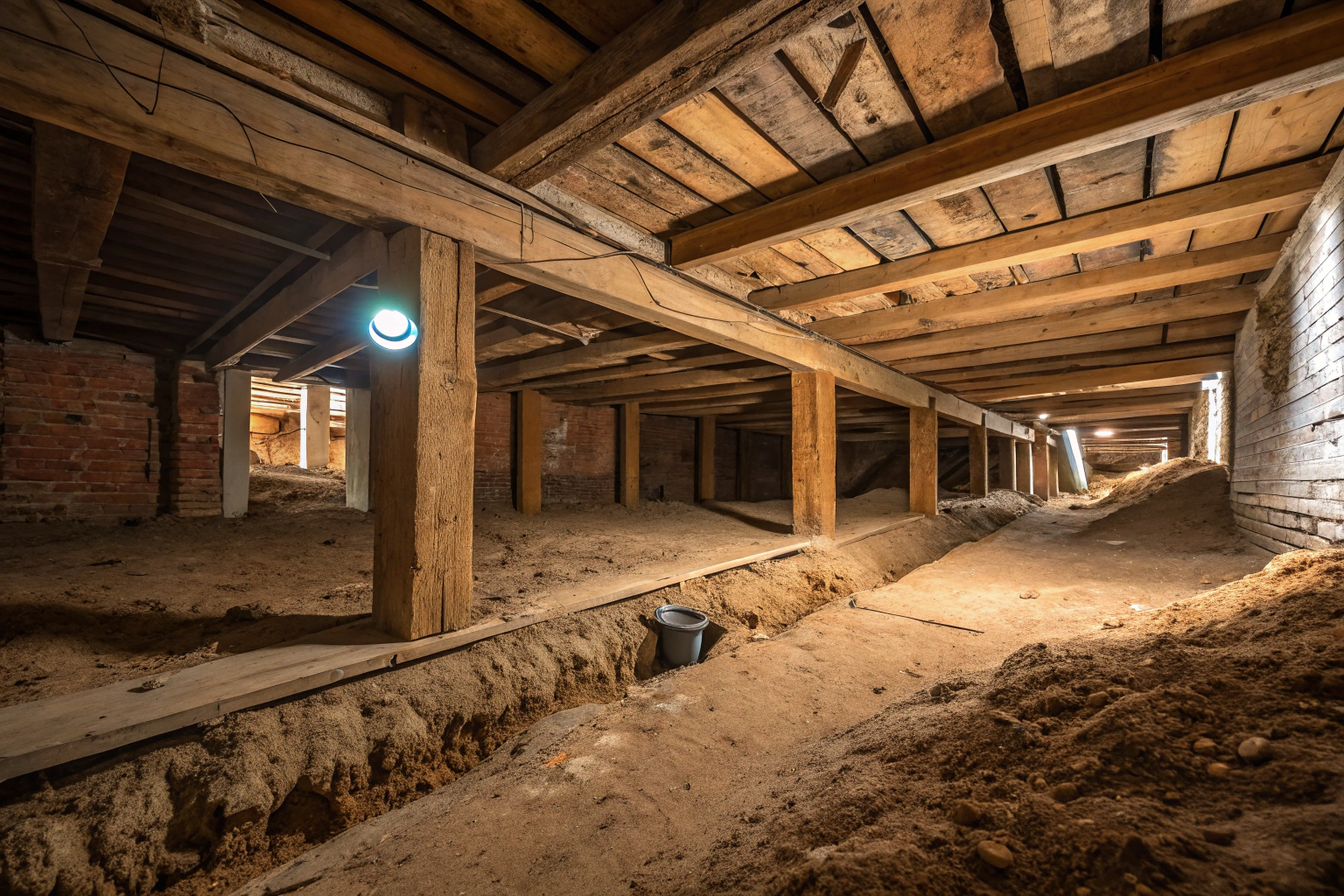
Unresolved crawl space mould carries direct implications for property value and saleability. Building inspectors routinely access subfloor voids as part of pre-purchase inspections — and a report flagging active mould growth, timber decay, or elevated moisture levels beneath the floor system is one of the most common grounds for buyers to renegotiate price or withdraw from a sale entirely.
For Newcastle homeowners considering a sale within the next one to three years, proactive crawl space treatment eliminates the risk of a pre-purchase inspection report creating leverage against the asking price. Documentation of completed remediation work — including moisture assessment results, treatment records, and installed moisture control measures — provides evidence to support the property’s condition at settlement.
Beyond the transaction, untreated subfloor mould progresses into structural timber decay that increases remediation costs significantly over time. Early professional treatment protects both the occupants and the capital value of a property that, in Newcastle’s current market, represents a substantial long-term asset.
Why Crawl Space Treatment Requires Specialist Equipment
Standard mould treatment equipment is designed for accessible residential spaces — rooms, wall surfaces, and ceiling cavities that technicians can move through and work in freely. The crawl space presents an entirely different set of physical and safety constraints that standard equipment and unqualified personnel cannot safely address.
Confined space certification is a legal requirement for technicians entering subfloor voids below a defined height threshold. Our team holds current confined space certification and enters crawl spaces with appropriate PPE, atmospheric monitoring equipment, and communication protocols in place throughout the job.
Low-profile application equipment allows antifungal treatment to reach the full extent of bearer and joist surfaces in sections of the void where working height may be under 500mm. Moisture measurement tools calibrated for timber substrates provide accurate readings across the subfloor rather than surface-level estimates. The combination of certified personnel and appropriate equipment determines whether a crawl space treatment is thorough or merely partial.
The Crawl Space Mould Treatment Process Explained
| Inspection & Moisture Assessment | Antifungal Treatment & Insulation Removal | Moisture Control & Ventilation |
|---|---|---|
| Every treatment begins with a full crawl space inspection. Our technicians assess moisture levels, mould extent, and structural timber condition throughout the void, identifying active leak sources, ventilation failures, and areas of concentrated fungal growth before any treatment commences. | All mould-affected timber surfaces — bearers, joists, and noggins — receive antifungal treatment using professional-grade products. Contaminated insulation batts are removed, bagged, and disposed of before surface treatment, ensuring no active mould reservoir remains within the crawl space void. | Following treatment, ground moisture barriers are installed across the subfloor to reduce vapour transmission from clay-heavy soils. Where subfloor ventilation is inadequate, airflow improvements are implemented to maintain drier baseline conditions and reduce the risk of mould recurrence in the treated space. |
What to Expect from a Crawl Space Mould Inspection
A crawl space mould inspection with our team covers the full subfloor void — not a visual assessment from the access point. Our confined space certified technicians physically enter and traverse the crawl space, assessing every accessible section of the floor system for mould presence, timber condition, and moisture levels.
During the inspection, we identify and document:
- Active mould growth on bearers, joists, noggins, and insulation batts
- Moisture readings across timber surfaces throughout the void
- Ground moisture levels and vapour transmission from subfloor soils
- Ventilation deficiencies contribute to trapped humid air beneath the floor system
- Plumbing leak sources or evidence of historical water ingress
Following the inspection, we provide a clear assessment of the affected area, the treatment scope required, and the moisture control measures recommended to prevent recurrence. There are no assumptions made from ground level — every finding is based on direct access and physical measurement within the crawl space itself.


Frequently Asked Questions
Crawl space mould removal is the professional treatment of mould growth on bearer, joist, and subfloor timber within the confined void beneath a timber-framed home, including antifungal treatment, insulation removal, and moisture control measures.
Common indicators include musty odours at floor level, worsening indoor air quality, soft or uneven flooring, and a building inspection report flagging elevated subfloor moisture or visible fungal growth on timber surfaces.
Mould colonising subfloor timber releases spores that migrate into living areas above through flooring gaps and penetrations. Prolonged exposure contributes to respiratory irritation, worsening allergies, and reduced indoor air quality throughout the home.
Recurrence occurs when the underlying moisture source remains unaddressed. Surface treatment without moisture barrier installation, ventilation improvement, or leak rectification leaves conditions unchanged, allowing fungal regrowth on treated and adjacent timber surfaces.
Yes. Subfloor voids below a defined height threshold require confined space certified personnel by law. Certified technicians enter with appropriate PPE, atmospheric monitoring equipment, and safety protocols covering the full duration of the job.
Treatment duration depends on the subfloor footprint, mould extent, and scope of moisture control work required. Most residential crawl space treatments are completed within a single visit, with larger or more severely affected properties requiring additional time.
Book a Crawl Space Mould Inspection in Newcastle
Crawl space mould removal requires certified technicians, specialist equipment, and a treatment process designed specifically for confined subfloor environments. If a building inspector has flagged subfloor mould, if musty odours are present at floor level, or if flooring above the crawl space has begun to show softness or unevenness, a professional inspection is the appropriate next step.
We service Hamilton, Islington, Adamstown, Mayfield, Charlestown, Merewether, and the surrounding Newcastle suburbs. Our confined space certified team provides full crawl space inspection, antifungal treatment, insulation removal, ground moisture barrier installation, and ventilation improvement where required.
Contact us today to book a crawl space mould inspection. We assess the full subfloor void, provide a clear treatment scope, and deliver documented results you can rely on.
