
What Does Professional Mould Cleaning Cover?
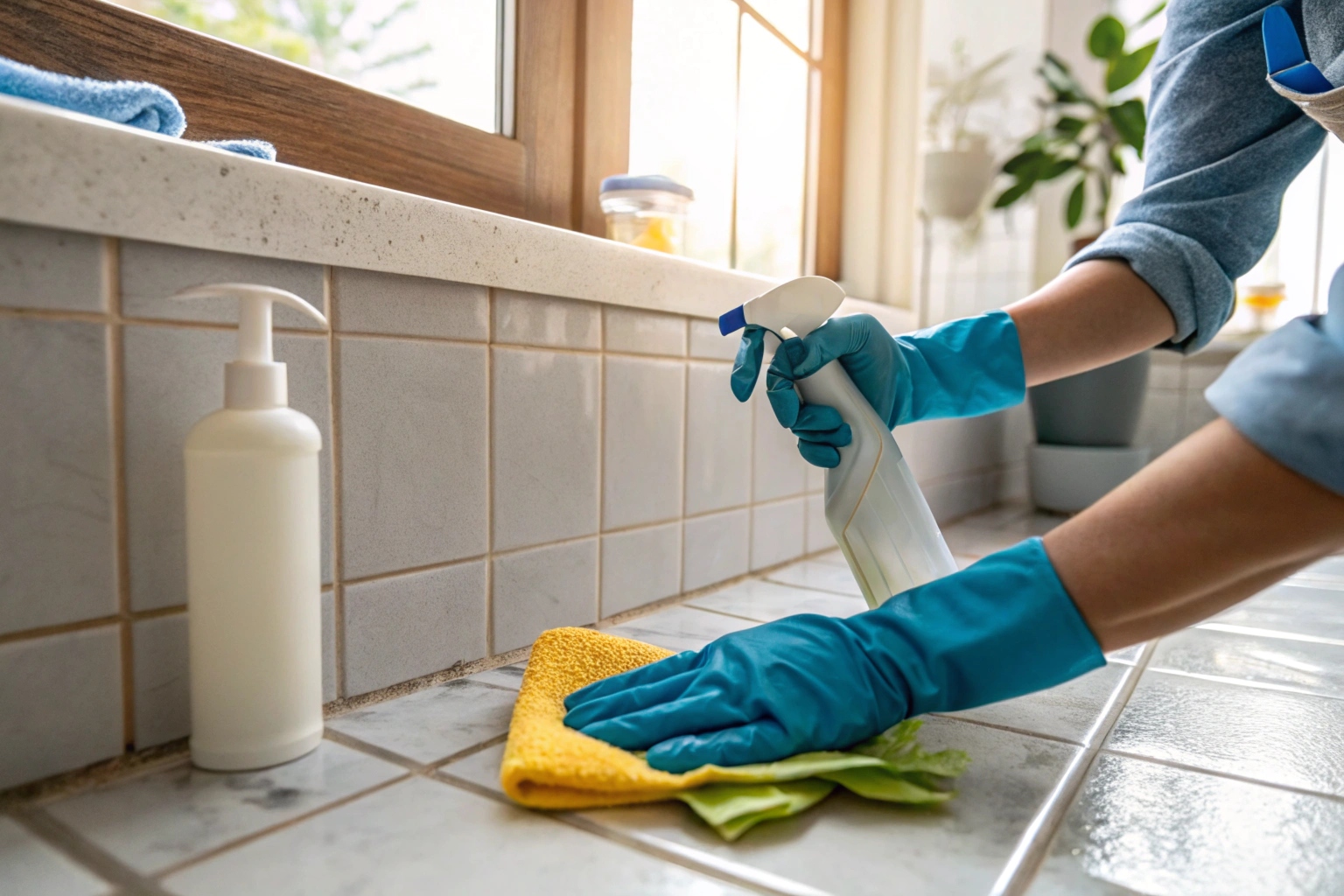
Professional mould cleaning addresses a wider range of surfaces and areas than most property owners expect. Each substrate requires a different approach — the treatment appropriate for ceramic bathroom tiles is not suitable for painted plasterboard, and what works on timber joinery can cause surface damage if applied to fabric or soft furnishings. Matching the cleaning agent and method to the material is where professional results separate from DIY attempts.
Surfaces and Areas Covered
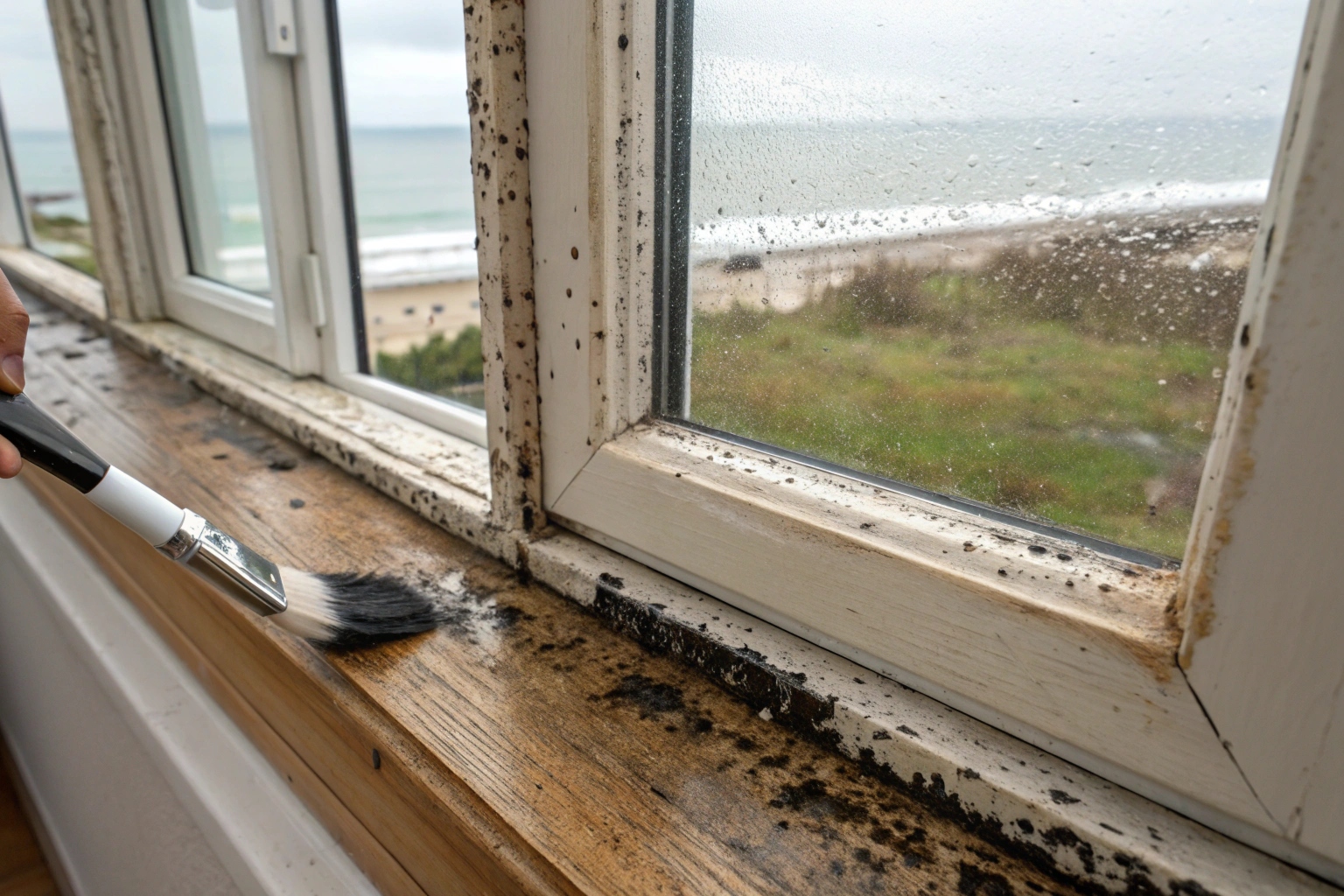
Painted walls and ceilings are among the most commonly affected surfaces in Newcastle homes — particularly in bathrooms, laundries, and poorly ventilated bedrooms. Bathroom tiles and grout lines require targeted antifungal treatment to address spore penetration into porous grout. Window frames and sills — especially timber and aluminium frames in coastal properties — accumulate mould at seals and joints where condensation pools.
Cabinetry and joinery in kitchens and bathrooms are cleaned using substrate-safe products that remove mould without lifting finishes. Hard flooring, including tiles and sealed timber, is treated with appropriate antimicrobial agents and physically cleaned to remove all mould matter. Where conditions allow, fabrics and soft furnishings can also be treated using low-residue antimicrobial products safe for textile surfaces.
External surfaces including fencing, cladding, and paved areas are also within scope — particularly relevant for Newcastle properties with south-facing walls and shaded outdoor areas where mould growth accelerates through the cooler months.

Safe Mould Cleaning Products for Homes and Families
Product safety is one of the most common concerns homeowners raise before booking a professional mould cleaning service — particularly in households with young children, pets, or occupants managing asthma, allergies, or other respiratory sensitivities. It is a legitimate concern, and the answer depends entirely on what products are used, how they are applied, and what protocols are followed after treatment.
What We Use and Why It Matters
Mould Cleaning in Newcastle Properties
Newcastle’s coastal position creates humidity conditions that make mould cleaning a recurring need rather than a one-time fix across a broad range of property types. The combination of ocean-facing exposure, older housing stock, and dense rental markets in several key suburbs produces consistent surface mould problems that professional cleaning addresses directly.
Where Newcastle Properties Are Most Affected
Coastal suburbs including Merewether and Bar Beach see accelerated mould growth on bathroom ceilings, window frames, and south-facing interior walls driven by salt-laden air and high ambient moisture. Properties with original single-glazed windows experience heavy condensation through winter months that feeds persistent surface mould on frames, sills, and adjacent plasterboard.
Older rental properties in Islington and Mayfield — predominantly pre-1980s worker cottages and brick veneer homes — frequently present with inadequate bathroom ventilation, no exhaust fans, and original tile grout that has absorbed years of mould penetration. These properties generate high demand for professional mould cleaning in Newcastle from both tenants managing habitability and landlords preparing properties between tenancies.
Strata units across the inner city deal with condensation mould on poorly insulated external walls — a structural condition that produces recurring surface growth requiring periodic professional cleaning to manage effectively.
End of lease cleaning is a significant demand trigger across all Newcastle property types. Tenants require documented, professional-standard mould cleaning to meet lease return obligations, satisfy property managers, and protect bond refunds — particularly in properties where mould has developed through inadequate ventilation rather than tenant negligence.
What to Expect After Your Mould Clean
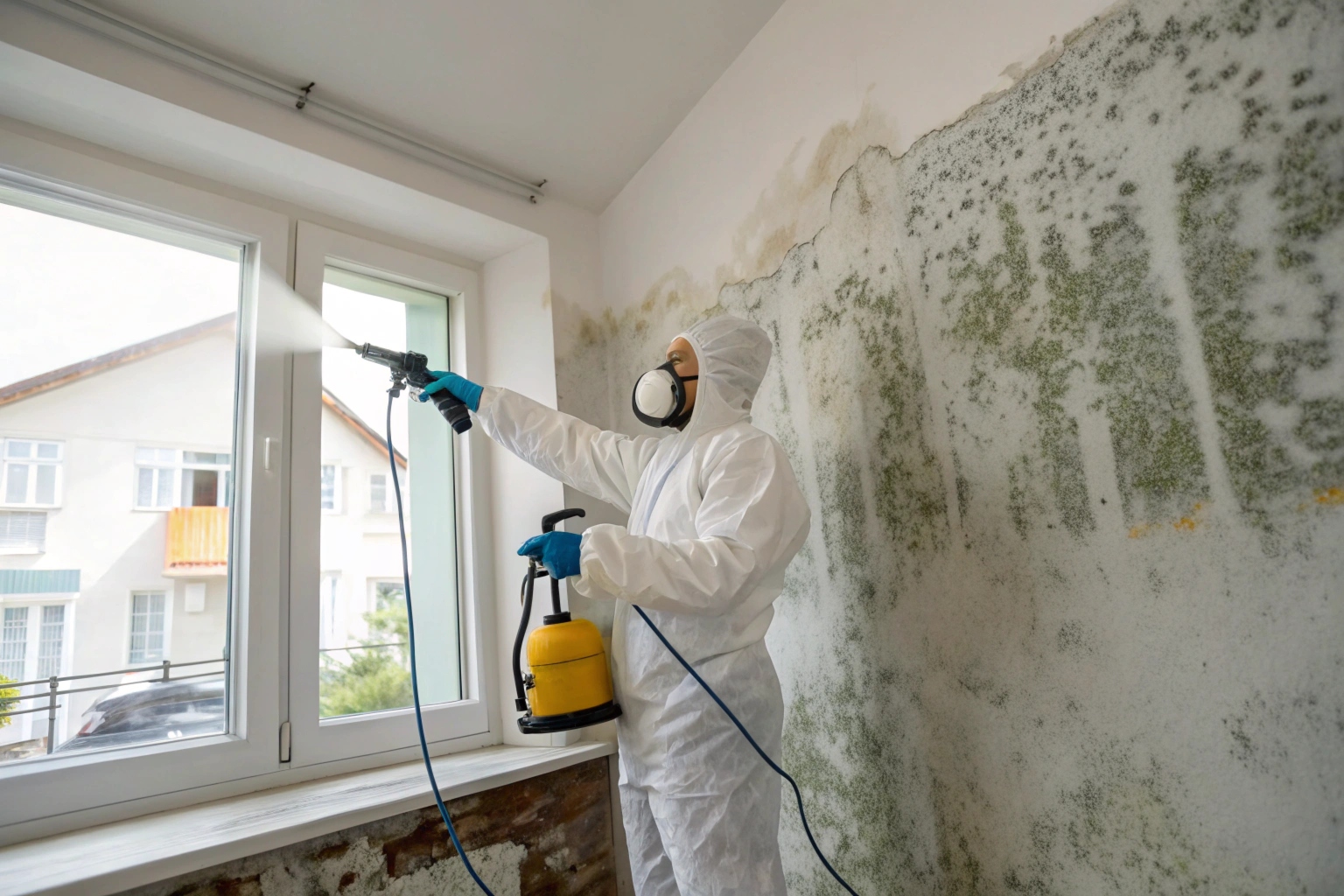
The result of a professional mould cleaning service is immediate and visible. Treated surfaces are left clear of mould matter, free of residue, and without the streaking or surface discolouration that DIY cleaning attempts frequently leave behind. There is no guesswork about whether the job has been done — the post-clean assessment confirms results across every treated area before technicians leave the property.
Post-Clean Outcomes and Recommendations
Surface clarity is the baseline outcome — painted walls, ceiling areas, tile grout, window frames, and all other treated substrates are visibly clean and free of active mould growth. Where surfaces have sustained cosmetic staining from long-term mould presence, technicians will advise on whether further treatment or repainting is the appropriate next step.
Regrowth prevention recommendations are provided as a standard part of the service. Ventilation improvements, exhaust fan upgrades, and the application of a follow-up antimicrobial coating are the most common recommendations depending on the moisture conditions identified during the pre-inspection. Addressing the underlying cause is what separates a lasting result from a temporary clean.
Documentation is available where required — for end of lease purposes, property management records, or insurance claims. A written record of surfaces treated, products used, and post-clean condition supports tenants securing bond refunds and landlords maintaining compliance records.
Booking is straightforward. Contact our Newcastle team to discuss the property, confirm the scope of the clean, and schedule a time that works around your occupancy.
Why Professional Mould Cleaning Beats DIY Every Time
The appeal of DIY mould cleaning is understandable — supermarket sprays are cheap, immediately available, and appear to work on first application. The problem shows up four to six weeks later when the mould returns to exactly the same surfaces, often more extensively than before. This cycle is not a coincidence. It is the predictable result of surface-only treatment applied to a problem that lives below the surface.
The Limits of DIY Mould Products
Bleach-based sprays reduce visible mould on sealed, non-porous surfaces by bleaching the pigmentation — the mould colony itself remains embedded in porous materials like grout, plaster, and unsealed timber. The surface looks clean. The spore structure underneath is untouched and continues to grow.
Incorrect product selection is the second failure point. Applying a product formulated for ceramic tiles to painted plasterboard risks surface damage, paint lifting, and substrate degradation — adding repair costs to an already ineffective clean.
Inadequate PPE and containment during DIY cleaning actively spreads the problem. Scrubbing mould without containment measures disperses spores into the air and onto adjacent surfaces, expanding the affected area rather than reducing it.
Professional mould cleaning eliminates these failure points. Industry-grade antifungal products penetrate porous substrates, substrate-matched methods protect surface finishes, and containment protocols prevent cross-contamination during the clean. The result is not a temporary visual improvement — it is full mould elimination across every treated surface with a post-clean assessment confirming the outcome.
Mould Cleaning for Tenants and Property Managers
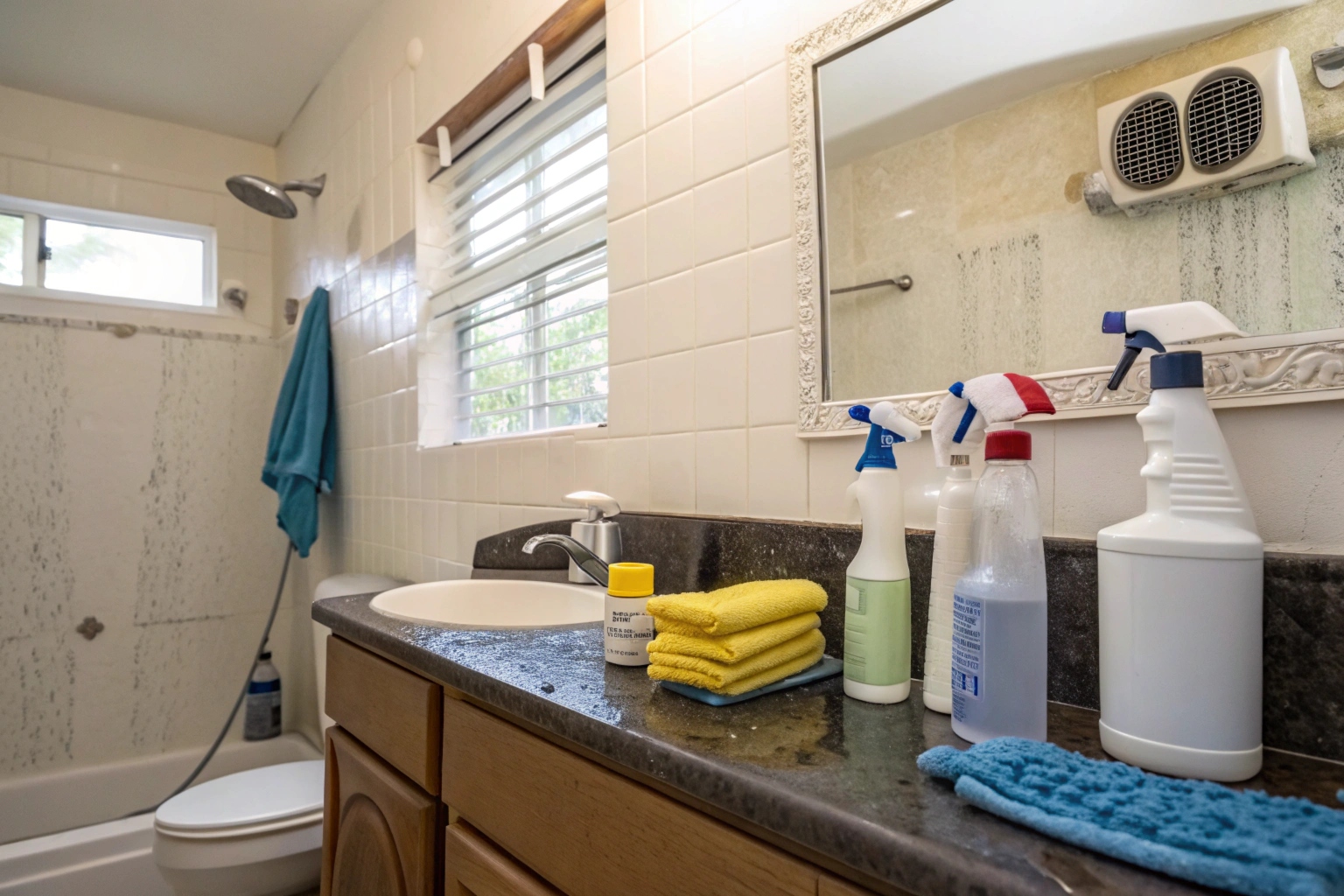
Mould cleaning sits at the intersection of tenancy law and property maintenance in NSW — and the obligations on both sides are clear. Tenants are responsible for maintaining reasonable ventilation and reporting mould promptly. Landlords and property managers are responsible for providing a property that is fit for habitation and addressing mould that stems from structural or maintenance issues. Professional mould cleaning delivers the documented, verifiable result that satisfies both parties.
For Tenants
End of lease mould cleaning is one of the most common triggers for bond disputes in Newcastle rentals. Property managers conduct detailed exit inspections, and visible mould on bathroom ceilings, window frames, or walls is frequently cited as a cleaning failure regardless of its cause. A professional clean provides the standard of result that meets lease return obligations — and the documentation to support it if the condition of the mould is disputed.
Tenants in Newcastle properties with chronic ventilation issues — older bathroom fitouts with no exhaust fans, single-glazed windows, or subfloor moisture — have grounds under the Residential Tenancies Act 2010 to request maintenance. Professional mould cleaning combined with a written assessment of contributing conditions supports that request with evidence.
For Property Managers
Between-tenancy mould cleaning prepares properties to a documented standard before new occupants move in. Written records of surfaces treated, products applied, and post-clean condition protect landlords from future liability and give incoming tenants a verifiable baseline. Our Newcastle team works directly with property managers to schedule, complete, and document mould cleaning efficiently across managed portfolios.
Frequently Asked Questions About Mould Cleaning in Newcastle
How is professional mould cleaning different from a standard clean?
Professional mould cleaning uses industry-grade antimicrobial and antifungal products applied at correct dilutions with appropriate dwell times. Technicians match the cleaning agent to the specific substrate, use containment measures to prevent spore dispersal, and complete a post-clean assessment confirming results. A standard clean addresses surface dirt — professional mould cleaning addresses active mould colonies and residual spores embedded in porous materials.
How long does a mould cleaning service take?
Duration depends on the scope of affected areas and the number of surfaces requiring treatment. A single bathroom typically takes between one and two hours. Larger jobs involving multiple rooms, soft furnishings, or external surfaces are assessed during the pre-inspection and scheduled accordingly.
Is it safe to stay in the property during the clean?
Technicians will advise on re-entry timeframes based on the products used and the ventilation conditions of the property. In most cases, treated rooms require a period of ventilation before re-occupancy. Households with infants, respiratory sensitivities, or pets are given specific guidance on safe re-entry.
Will the mould come back after a professional clean?
Professional cleaning eliminates active mould and residual spores from treated surfaces. Regrowth depends on whether the underlying moisture conditions are addressed. Technicians provide post-clean recommendations covering ventilation improvements and follow-up antimicrobial coatings to reduce the likelihood of recurrence.
Do you provide documentation after the clean?
Written documentation is available covering surfaces treated, products used, and post-clean condition — suitable for end of lease purposes, property management records, or insurance documentation.
Book Your Professional Mould Cleaning Service in Newcastle
Professional mould cleaning in Newcastle delivered by certified technicians using industry-grade products and substrate-matched methods. From single bathrooms to whole-property cleans, every job follows the same structured process — pre-inspection, targeted antimicrobial treatment, physical removal of mould matter, safe disposal, and a post-clean assessment confirming results across every treated surface.
Newcastle homeowners, tenants, and property managers trust our team to deliver a clean that holds — not a temporary bleach job that leaves spores embedded in grout and plaster waiting to regrow. Whether the trigger is visible bathroom mould, an approaching lease return, a property manager’s inspection, or a recurring problem that DIY products have failed to resolve, our Newcastle team is ready to assess the property and schedule the clean.
What’s Included With Every Clean
• Pre-inspection of all affected surfaces and substrate assessment
• Containment measures where spore dispersal risk is identified
• Industry-grade antimicrobial treatment matched to each surface type
• Physical removal of all mould matter and safe disposal of contaminated materials
• Post-clean assessment confirming results across all treated areas
• Regrowth prevention recommendations provided as standard
• Written documentation available for lease, insurance, or property management purposes
Contact our Newcastle team today to discuss your property, confirm the scope of the clean, and lock in a time that suits your schedule. Mould cleaning done properly — thorough, safe, and built to last.
