
Why Newcastle Homes Are Highly Susceptible to Subfloor Mould
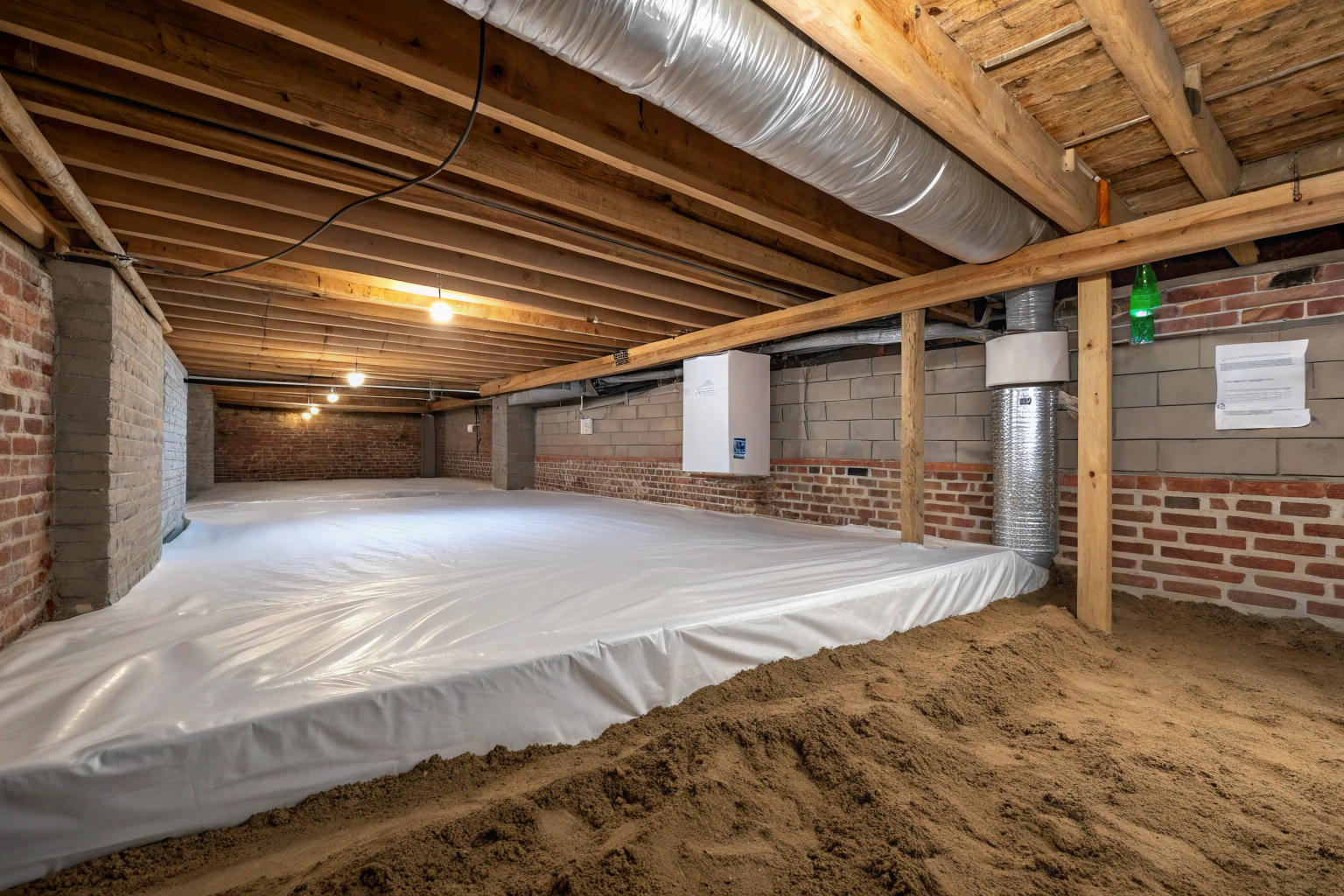
Newcastle carries a higher baseline risk for subfloor mould than most Australian cities — and the reasons are structural, geographic, and climatic all at once. A significant proportion of homes across suburbs like Hamilton, Adamstown, Merewether, and Islington were built on raised timber-framed subfloor foundations, many dating to the pre-1960s era when subfloor ventilation standards were minimal and have since degraded further through blocked vents, built-up garden beds, and ageing materials.
Beneath those homes, several converging factors create ideal mould conditions. Clay-heavy, poorly drained soils across Newcastle’s inner and western suburbs generate persistent, rising ground moisture that saturates subfloor air year-round. Newcastle’s coastal humidity — driven by direct exposure to the Pacific Ocean and the Hunter River estuary — keeps baseline moisture levels elevated even during dry periods. Ageing under-floor plumbing leaks go undetected for months. Poor perimeter drainage allows surface water to pool against foundations after rain. Each of these factors alone creates mould risk. In combination, they make untreated subfloor spaces in older Newcastle homes a reliable environment for sustained mould colonisation.

Warning Signs You Have a Subfloor Mould Problem
Subfloor mould rarely announces itself directly — it communicates through subtle changes in how your home feels, smells, and performs. Knowing what to look for allows you to act before the problem escalates into significant structural damage.
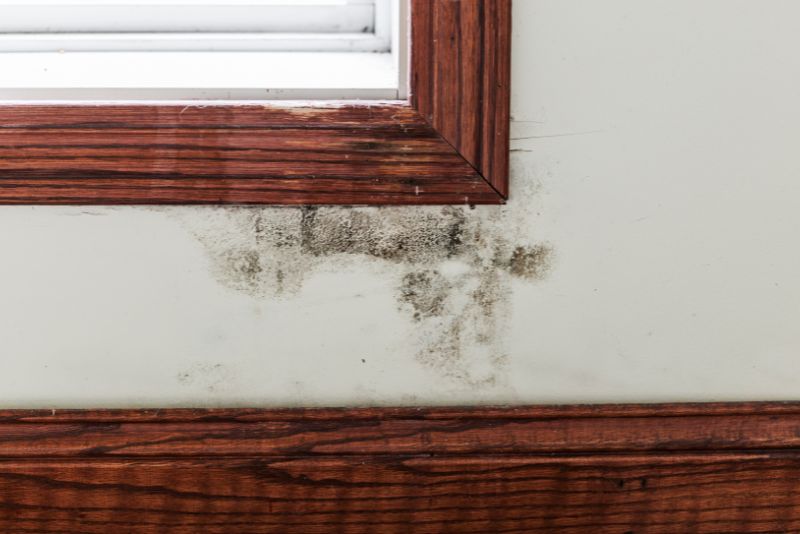
Persistent musty or earthy odours are typically the first indicator — particularly noticeable at floor level or in rooms positioned directly above the subfloor cavity. A soft or springy feeling underfoot suggests timber structural members have absorbed sustained moisture and begun to weaken. Where an inspection hatch exists, visible mould growth on the underside of floorboards or across joists and bearers confirms active colonisation.
Inside the subfloor space itself, condensation or pooled water indicates chronic moisture accumulation, while deteriorating insulation batts that have absorbed ground moisture become a primary mould substrate in their own right — holding humidity against structural timber continuously.
Health patterns also signal subfloor mould exposure — chronic nasal congestion, worsening asthma, persistent fatigue, and morning headaches that ease after leaving the property are classic indicators of ongoing low-level mould spore inhalation rising from below.
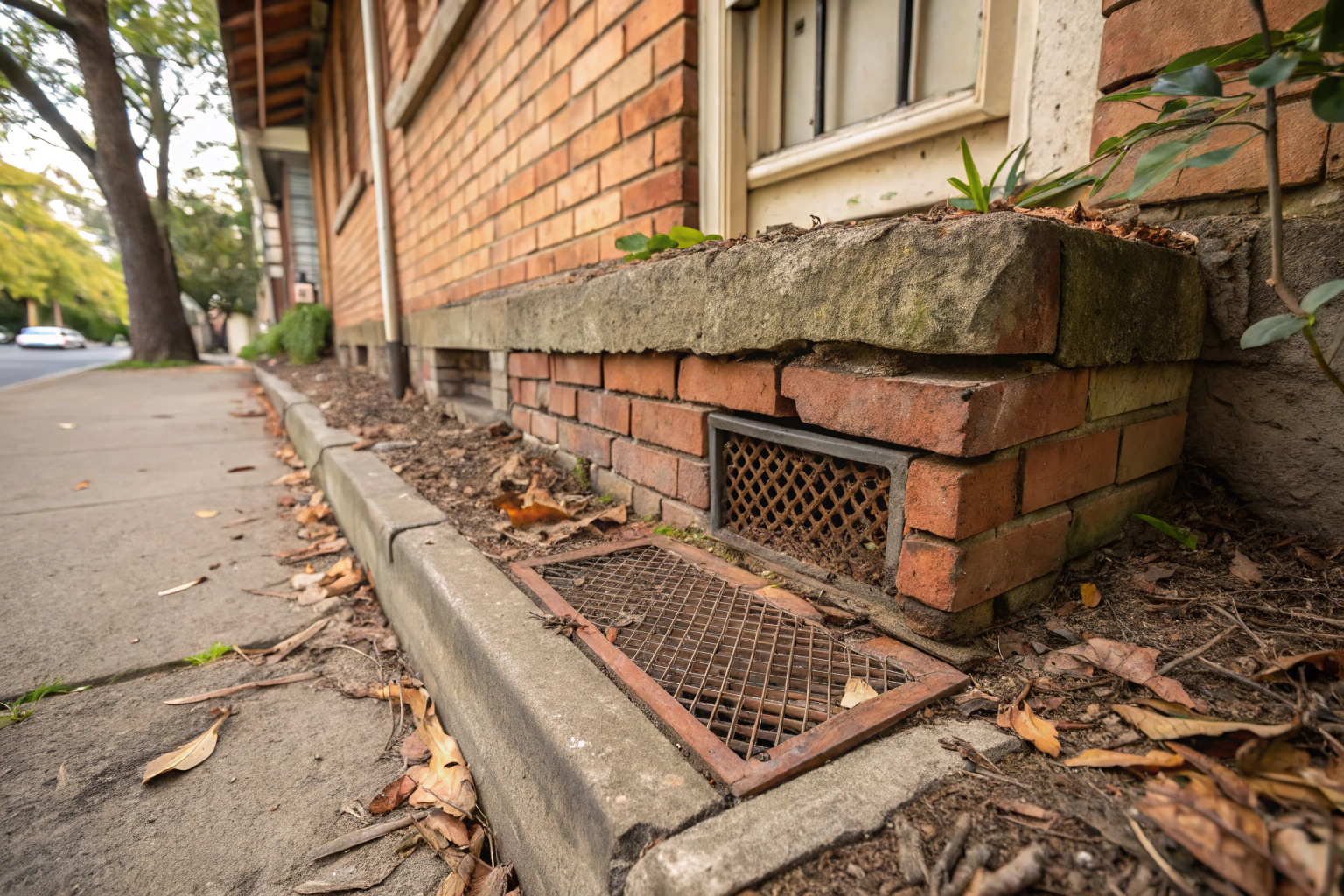
Subfloor ventilation is the primary defence against moisture accumulation beneath a timber-framed home — and in Newcastle’s older housing stock, it is frequently inadequate, degraded, or blocked entirely. When subfloor vents are obstructed by built-up garden beds, accumulated debris, or decades of paint and render overapplication, air circulation through the subfloor cavity drops to a level that allows humidity to concentrate rather than dissipate.
The result is a sealed, humid environment where ground moisture rises continuously from soil, has nowhere to escape, and saturates the air surrounding structural timber. Timber bearers and joists sitting in that saturated air absorb moisture steadily until surface conditions support mould germination and growth. Without intervention, the cycle is self-reinforcing — mould growth further degrades timber, reducing its ability to dry out between humidity events.
In Newcastle’s coastal climate, where outdoor humidity is already elevated year-round, a blocked subfloor vent system accelerates this process significantly — turning a manageable moisture load into a chronic mould environment within a single wet season.
Our Subfloor Mould Inspection Process Explained
Every subfloor mould treatment we carry out begins with a thorough physical inspection of the subfloor space — not a visual assessment from the access hatch, but actual entry into the cavity to assess conditions across the full extent of the subfloor. Our technicians use calibrated moisture meters to record timber moisture content at multiple points, establishing a clear picture of where moisture is concentrated and how far mould colonisation has spread from the primary source.
During the inspection, we assess and document:
- Mould coverage and species distribution across bearers, joists, flooring battens, and insulation
- Timber condition — surface mould versus active decay requiring structural assessment
- Ventilation adequacy — vent count, placement, clearance, and airflow performance
- Drainage and pooling — surface water entry points and perimeter drainage failures
- Plumbing leak identification — ageing or failed under-floor pipes contributing to moisture load
- Insulation condition — saturation levels and whether removal is required
All findings are photographed and documented in full before treatment commences. This inspection report forms the basis of our treatment plan and is provided to the homeowner as part of the post-treatment written assessment.
Ground Moisture Barriers and Subfloor Ventilation Solutions
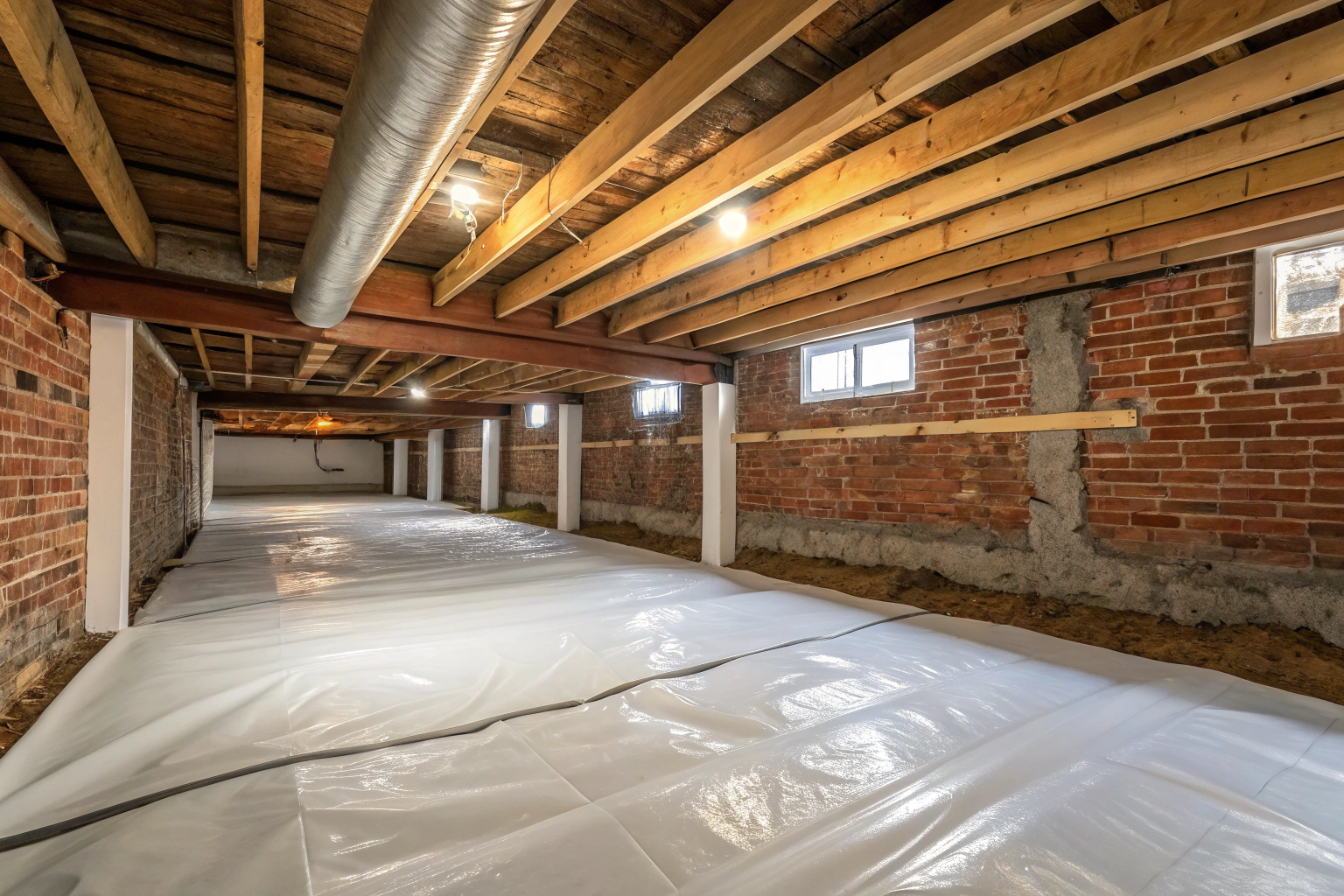
Treating mould-affected timber without addressing the moisture source that caused it produces temporary results at best. Where our inspection identifies rising ground moisture as a primary driver — common across Newcastle’s clay-heavy inner suburbs — we install a ground moisture barrier across the subfloor floor area. This heavy-duty polyethylene sheeting sits directly over the soil surface, physically interrupting the upward migration of ground moisture into the subfloor air and reducing ambient humidity levels measurably and permanently.
Where subfloor ventilation is identified as inadequate, we address it directly. Blocked passive vents are cleared and restored to full function. Where passive ventilation is insufficient for the subfloor geometry or site conditions, we install mechanical subfloor ventilation systems that actively draw humid air out of the cavity and replace it with drier external air. In Newcastle’s coastal humidity environment, mechanical ventilation is frequently the more reliable long-term solution — maintaining airflow and moisture control through seasonal humidity peaks that passive vents alone cannot manage.
Health Symptoms Linked to Subfloor Mould Exposure
Subfloor mould is an indoor air quality problem as much as a structural one. Mould spores generated in the subfloor cavity migrate upward through floor gaps, pipe penetrations, and unsealed joints — entering living spaces continuously and at low concentrations that rarely trigger immediate alarm but accumulate into a chronic exposure pattern over weeks and months.
The health symptom profile associated with subfloor mould exposure includes chronic nasal congestion, persistent coughing, itchy or irritated eyes, worsening asthma, recurring headaches, and unexplained fatigue that has no obvious cause. A particularly telling indicator is the location pattern of symptoms — occupants feel noticeably better after spending time away from the property and worse upon returning home. This pattern, especially when combined with a musty odour at floor level, is a strong clinical indicator of ongoing subfloor mould spore inhalation and warrants professional inspection without delay.
Professional Subfloor Mould Treatment — What the Process Involves
| Inspection & Assessment | Treatment & Removal | Protection & Prevention |
|---|---|---|
| Physical entry into the subfloor cavity, calibrated moisture metre readings across all structural timber, full photography and documentation of mould coverage, ventilation assessment, drainage and plumbing leak identification. Every treatment plan is built directly from on-site findings — not assumptions made from the access hatch. | Antifungal treatment of all mould-affected timber surfaces using professional-grade products formulated for structural timber substrates. HEPA vacuuming of mould-affected debris and insulation. Safe removal and disposal of saturated or structurally compromised insulation batts. Full treatment coverage across bearers, joists, flooring battens, and any additional affected substrate materials identified during inspection. | Post-treatment application of timber preservative and mould inhibitor to all treated structural members. Installation or restoration of subfloor ventilation — passive vent clearance or mechanical ventilation systems where required. Ground moisture barrier installation where rising damp is identified. Post-treatment moisture reading verification confirms the subfloor environment has returned to acceptable humidity levels. |
What You Receive After Professional Subfloor Mould Treatment
Post-treatment outcomes from a professional subfloor mould treatment are measurable, documented, and directly address every issue identified during the initial inspection. Before we leave the property, post-treatment moisture readings are taken across all previously affected timber members to confirm subfloor humidity has returned to acceptable levels and that treated surfaces are no longer supporting active mould conditions.
Every completed subfloor mould treatment includes a written post-treatment report covering:
- Inspection findings — full documentation of mould coverage, moisture readings, and structural observations
- Treatment applied — antifungal products used, timber members treated, and insulation removed and disposed of
- Ventilation and moisture control works were completed during the treatment
- Structural timber assessment outcomes — members cleared as sound or flagged for follow-up trades referral
- Recommended follow-up actions — ongoing ventilation maintenance, drainage improvements, or plumbing repairs identified during inspection
This documentation supports insurance claims, building disclosure obligations, and pre-sale property preparation — providing Newcastle homeowners with a clear, professional record of the remediation carried out beneath their home.



FAQ — Subfloor Mould Treatment Newcastle
The most common indicators are persistent musty odours at floor level, soft or springy floorboards, and health symptoms including morning headaches and nasal congestion that improve when you leave the property.
Subfloor mould spores migrate upward through floor gaps into living spaces, creating chronic low-level exposure. Prolonged inhalation is associated with respiratory irritation, worsening asthma, fatigue, and persistent headaches — particularly affecting children and allergy-prone occupants.
DIY products treat surface growth only and cannot penetrate timber substrates where mould colonisation is established. Without moisture source identification and ventilation correction, surface treatment produces temporary results and mould returns reliably.
Most residential subfloor mould treatments are completed within a single day. Larger properties or subfloors with extensive mould coverage, insulation removal requirements, or ventilation installation work may require a second day on site.
Newcastle’s older timber-framed housing stock, clay-heavy soils generating rising ground moisture, coastal humidity levels, blocked subfloor vents, and ageing under-floor plumbing combine to create persistently high mould risk beneath residential properties.
Prolonged subfloor mould colonisation leads to wood rot and progressive loss of load-bearing capacity in bearers and joists. Our treatment process includes structural timber assessment to identify members that have advanced beyond surface mould to active decay.
Book a Subfloor Mould Inspection in Newcastle Today
Subfloor mould treatment in Newcastle requires a team with the equipment, technical knowledge, and hands-on subfloor experience to assess and treat what’s happening beneath your home accurately and thoroughly. We carry out physical subfloor inspections across Newcastle and surrounding suburbs — including Hamilton, Merewether, Adamstown, Islington, Charlestown, New Lambton, Mayfield, and Wallsend — delivering written findings, professional treatment, and post-treatment moisture verification on every job.
If you’re noticing musty odours rising from your floors, have received a building inspection report flagging subfloor mould, or simply want confidence in the condition of your subfloor environment, contact us today to book an inspection. We’ll give you a clear, honest assessment of what’s beneath your home — and exactly what it takes to fix it.
