
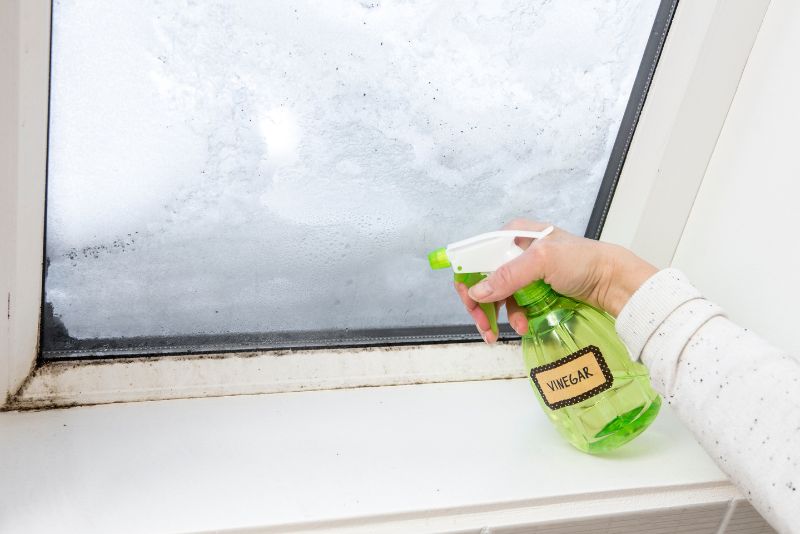
What Building Restoration Actually Involves After Mould or Water Damage
Building restoration is the work that happens after remediation — once the mould has been treated, and the moisture source addressed, what remains is a building with compromised materials that need to be properly assessed, removed, and replaced. This is where most operators stop short. A remediation team will treat the mould. A restoration specialist determines what the mould has done to the building fabric and returns it to a structurally sound, safe, and habitable condition.
In practice, that means testing and inspecting affected materials, stripping out contaminated plasterboard and moisture-saturated insulation, replacing structural elements where necessary, and finishing surfaces to a liveable standard. On the exterior, it means removing biological growth from render, cladding, rooflines, and hard surfaces using methods that clean without causing further material damage. Across strata and rental properties, it means documented work with a clear compliance trail. Building restoration is a trade discipline in its own right — and that’s exactly how we approach every Newcastle property we work on.

Our Building Restoration Services in Newcastle
Building restoration after mould or water damage spans every layer of a property — internal structural materials, exterior surfaces, and the ongoing maintenance programs that stop problems from cycling back. Most operators handle one part of that picture. We handle all of it, which means the property gets restored properly rather than partially, and you’re not left bridging gaps between trades or chasing separate contractors for each scope of work.
Our services are structured across three areas: internal structural restoration covering the materials most commonly compromised by mould and moisture; exterior and surface restoration addressing Newcastle’s coastal-accelerated growth on rooflines, render, and cladding; and recurring property programs designed for managers, strata committees, and landlords who need a scheduled, compliance-focused partner rather than a reactive callout service. Each service is delivered by licensed, insured specialists with direct experience across Newcastle’s residential, strata, and commercial property sectors.
- Post-Mould Building Restoration
- Plasterboard Replacement
- Insulation Replacement After Mould
- Exterior Mould Removal
- Soft Washing for Mould
- Ongoing Mould Prevention Programs
- Strata Mould Maintenance
- Rental Property Mould Inspections
Internal Structural Restoration: What Gets Replaced and Why
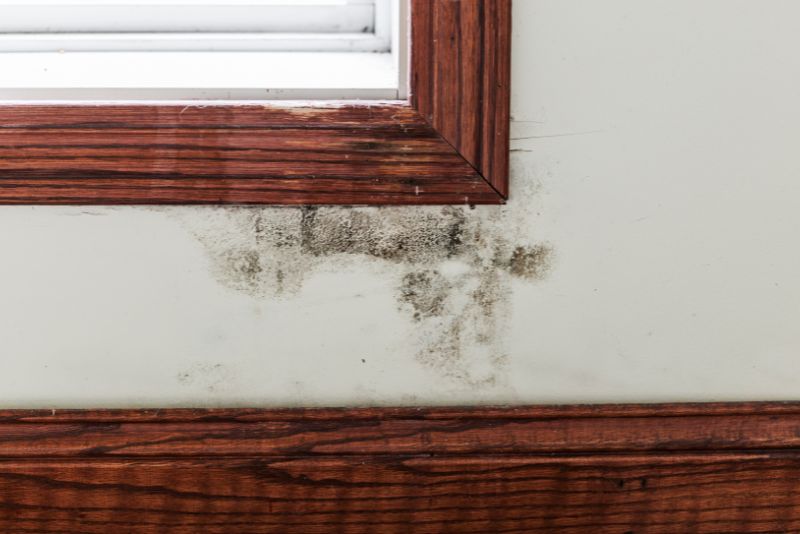
When mould or water damage moves through a building, the materials it contacts don’t recover on their own. Plasterboard is particularly vulnerable — it absorbs moisture readily, and once mould colonises the paper face or the gypsum core, the board cannot be cleaned to a safe standard. It needs to come out. The same applies to wall and ceiling insulation that has been exposed to prolonged moisture. Saturated insulation loses its thermal performance, holds biological contamination, and creates an ongoing mould reservoir behind walls even after surface treatment is complete.
Internal structural restoration covers the full scope of that material replacement — careful removal of affected plasterboard and insulation, preparation of the framing and cavity, installation of compliant replacement materials, and finishing to a standard ready for painting or final fit-out. Every step is documented, which matters for insurance claims, building compliance, and pre-sale or tenancy obligations across Newcastle residential and commercial properties.
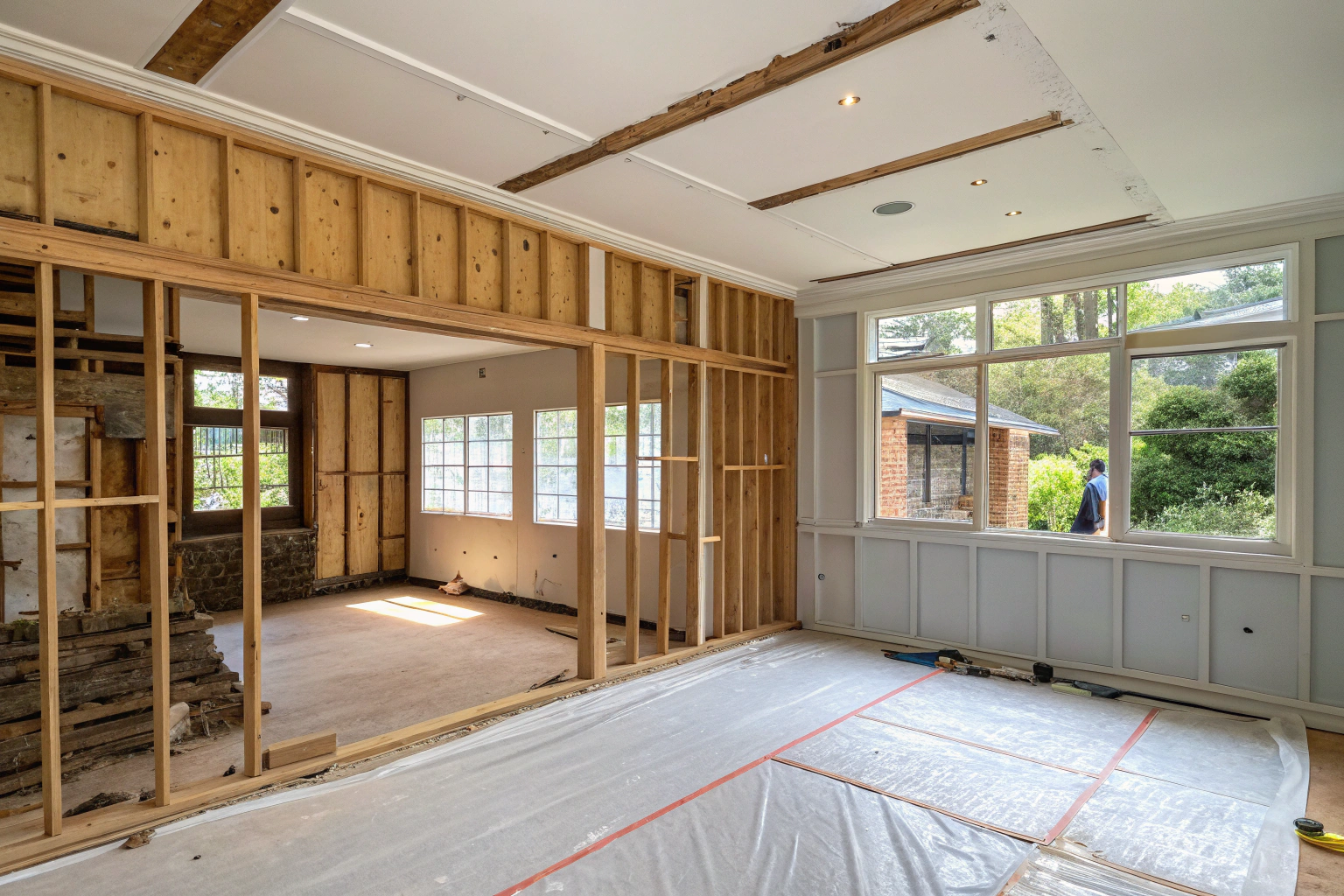
How We Assess a Property Before Any Restoration Work Begins
No restoration quote leaves our team without a thorough on-site assessment first. That’s not a formality — it’s the only way to accurately scope what a property needs. Mould and water damage rarely stay where they’re visible. Moisture migrates through wall cavities, saturates insulation well beyond the affected room, and compromises structural materials in areas that look entirely normal from the surface. A proper assessment finds the full extent of the damage, not just the part that’s obvious.
Our property assessments cover:
- Moisture mapping across walls, ceilings, and subfloor spaces using calibrated detection equipment
- Visual and instrument-based inspection of plasterboard, insulation, framing, and cavity conditions
- Exterior surface review of render, cladding, rooflines, and drainage points
- Identification of the original moisture source driving the damage
- Documentation suitable for insurance claims, strata records, or tenancy compliance requirements
From that assessment, we produce a clear, itemised restoration scope — what needs to go, what can stay, what method applies to each surface, and what the finished standard will be. Newcastle property owners and managers get a restoration plan grounded in what’s actually happening inside the building.
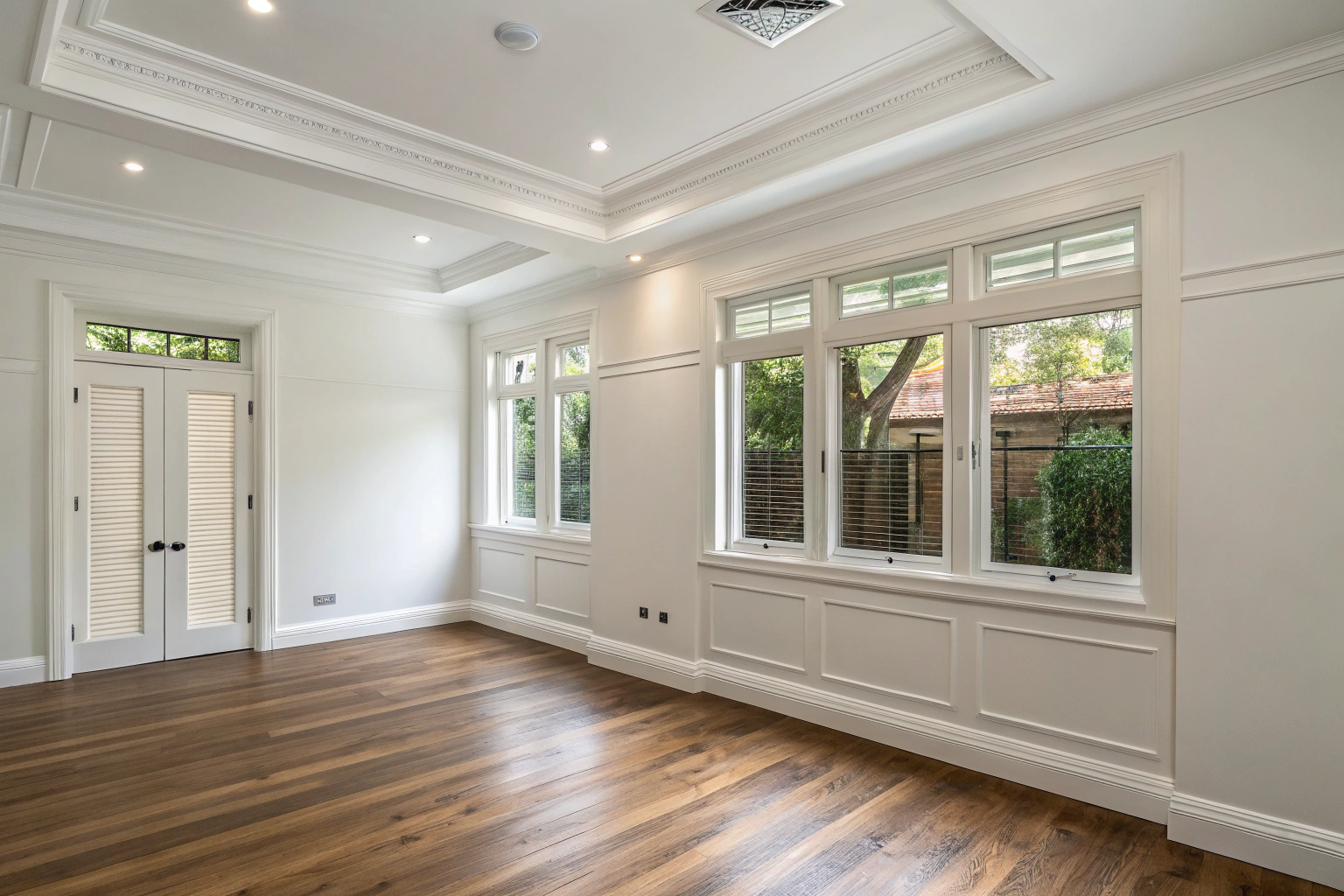
Plasterboard and Insulation After Mould — What Needs to Go
Plasterboard replacement after mould is one of the most common restoration tasks we carry out across Newcastle properties — and one of the most misunderstood. The instinct is to treat the surface and paint over it. The reality is that once mould has penetrated the paper face or the gypsum core of a board, no surface treatment reverses that contamination. The board holds spores, degrades structurally over time, and continues to off-gas into the room. Replacement is the only compliant resolution.
Insulation replacement after mould follows the same logic. Bulk insulation — batts in particular — absorbs and retains moisture long after the visible water event has passed. Contaminated batts sitting inside a wall or ceiling cavity actively sustain mould growth on the surrounding framing and plasterboard, making any surface restoration above them a temporary fix at best. We remove affected insulation completely, treat the cavity, and install a compliant replacement product — giving the restoration work a foundation that will actually hold.
Soft Washing vs Pressure Washing — Why the Method Matters
Soft washing for mould is the industry-preferred method for exterior biological removal — and the distinction from standard pressure washing matters more than most property owners realise. High-pressure washing drives water into render, mortar joints, cladding seams, and roofing materials. It removes the visible growth while simultaneously creating the moisture ingress conditions that accelerate regrowth. On older Newcastle properties with aged render or weatherboard cladding already softened by coastal salt air, pressure washing causes direct surface damage on top of that.
Soft washing uses low pressure combined with professional-grade biocidal treatment solutions that penetrate and kill mould, lichen, and algae at the root rather than blasting the surface layer off. The result is a cleaner finish that lasts significantly longer, with no impact on the integrity of the surface being treated. For rooflines, rendered walls, fences, driveways, and cladding across Newcastle’s coastal and humidity-affected suburbs, soft washing is the correct method — and it’s the method we apply to every exterior building restoration job we carry out.
The Difference Between Remediation and Full Building Restoration
| Remediation | Full Building Restoration |
|---|---|
| Remediation addresses the mould itself — treating affected surfaces, eliminating spore activity, and resolving the moisture source driving the growth. It’s a specialist process and a necessary first step. But remediation stops at the biological problem. It does not replace the materials the mould has damaged, and it does not return the building to a liveable or compliant finished condition. | Full building restoration picks up where remediation ends. Once the mould is gone, the damaged plasterboard, insulation, render, and surface finishes still need to be properly replaced and restored. That’s the work that returns a property to a safe, habitable standard — documented, compliant, and finished to a level that holds up to insurance assessment, tenancy inspection, or pre-sale building report. |
Exterior Restoration in Newcastle’s Coastal Environment
Newcastle’s position at the Hunter River mouth with direct Pacific Ocean exposure creates exterior mould and biological growth conditions that inland properties simply don’t face at the same intensity. Salt air degrades window seals, weatherboard paint films, and render surfaces — opening up the microscopic ingress points that moisture and biological growth move into. Rooflines, eaves, rendered walls, timber fences, and concrete driveways in suburbs like Merewether, Bar Beach, Stockton, and Newcastle East are under constant environmental pressure that accelerates surface deterioration year-round.
Exterior mould removal across these surfaces requires a method and a product chemistry matched to the specific material being treated. Render responds differently to timber. Roof tiles carry different biological loads to painted cladding. Our exterior restoration work accounts for those differences — applying the correct soft washing technique and biocidal treatment to each surface type, removing growth completely rather than displacing it, and leaving the exterior in a condition that resists accelerated regrowth in Newcastle’s demanding coastal climate.
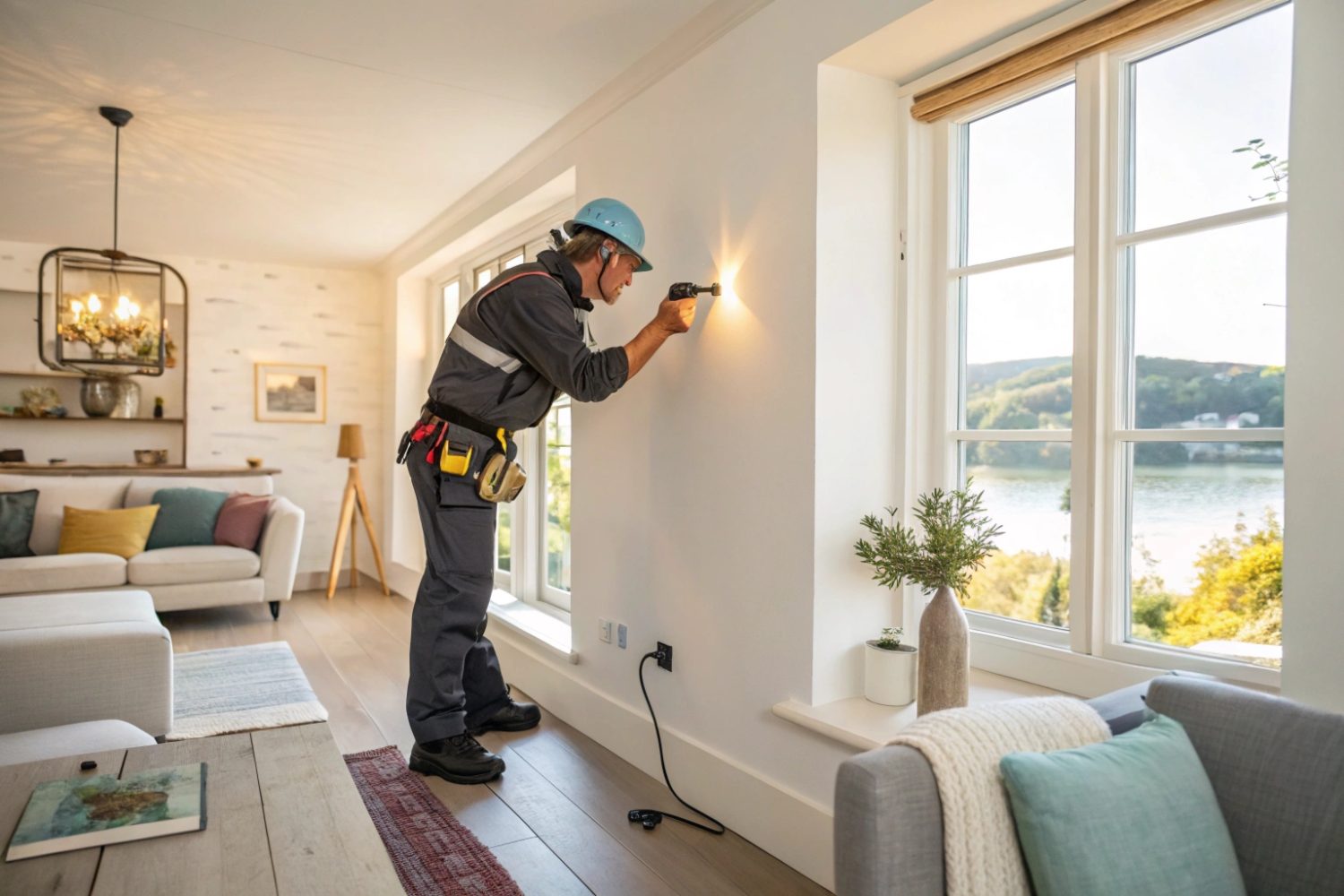


Building Restoration Services Newcastle — Frequently Asked Questions
Remediation treats and eliminates the mould. Building restoration replaces the materials the mould has damaged — plasterboard, insulation, render, and surface finishes — returning the property to a safe, habitable, and compliant condition.
If mould has penetrated plasterboard, insulation, or structural materials, surface treatment alone won’t resolve the problem. Restoration replaces compromised materials properly, preventing recurrence and returning the property to a liveable and compliant standard.
If mould has reached the paper face or gypsum core of the board, replacement is the only compliant resolution. Our assessment process identifies exactly which boards are compromised and which can remain.
We remove contaminated insulation batts completely, treat the wall or ceiling cavity, and install compliant replacement product. This eliminates the hidden mould reservoir that causes restoration work above it to fail prematurely.
Soft washing uses low pressure combined with biocidal treatment solutions that kill mould, lichen, and algae at the root. It cleans more thoroughly than pressure washing without damaging render, cladding, or roofing materials.
High-pressure washing removes surface growth but forces moisture into render joints and cladding seams, accelerating regrowth. Soft washing is the correct method for exterior mould removal on most Newcastle property surface types.
Get a Building Restoration Assessment for Your Newcastle Property
Building restoration services across Newcastle and the Hunter region — residential, strata, and commercial. Licensed and insured specialists covering the full scope from internal structural material replacement through to exterior surface restoration and ongoing property maintenance programs.
If mould or water damage has moved through your property, the next step is an on-site assessment that tells you exactly what’s affected, what needs to be replaced, and what the restoration will involve. No assumptions, no generic quotes — a documented scope based on what’s actually happening inside and outside the building.
Contact our team to book a property assessment or request a restoration quote. We work across Newcastle, Lake Macquarie, the Hunter Valley, and surrounding regions.
