

Why Newcastle Homes Are High Risk for Mould and Water Damage
Newcastle sits at the mouth of the Hunter River with direct Pacific Ocean exposure — a geographic position that creates year-round humidity pressure unlike most inland NSW cities. That moisture load never fully lifts, and for older properties across suburbs like Merewether, Mayfield, Hamilton, Wallsend, and Stockton, the building fabric is rarely equipped to handle it.
The majority of Newcastle’s residential housing stock was built pre-1980, with minimal insulation, no vapour barriers, original single-glazed windows, and subfloor ventilation that no longer meets modern standards. Coastal salt air degrades window seals and weatherboard joints, opening pathways for moisture ingress on ocean-facing walls. East Coast Lows push water into roof cavities, wall spaces, and subfloors — often going undetected for weeks. Combined with Newcastle’s natural humidity baseline, these conditions make mould growth and water damage not just possible but predictable. Properties here require a specialist who understands the local environment, not a generalist approach.

Our Mould and Water Damage Services in Newcastle
Mould removal, mould remediation, and water damage restoration cover a wide range of situations — from a single affected bathroom wall through to whole-property flood recovery. Our service list reflects the full scope of what Newcastle properties actually need, across every affected area, every building type, and every stage of the damage and recovery process. Newcastle’s coastal humidity, older housing stock, and storm exposure mean these are not isolated incidents — they are recurring pressure points that require a specialist who can manage the full picture, not just the visible surface.
Each service below links to a dedicated page with full details on process, pricing, and what to expect. Whether you are dealing with black mould removal in a bedroom, subfloor mould treatment after a wet winter, toxic mould remediation in a heritage property, or flood damage restoration following a major storm event, our licensed technicians are equipped to assess and resolve it completely — every affected area, every building type, every time.
- Mould Removal
- Mould Remediation
- Mould Inspection
- Mould Testing
- Black Mould Removal
- Toxic Mould Remediation
- Bathroom Mould Removal
- Ceiling Mould Removal
- Wall Mould Treatment
- Subfloor Mould Treatment
- Crawl Space Mould Removal
- Basement Mould Removal
- Commercial Mould Remediation
- Rental Property Mould Treatment
- Strata & Body Corporate Mould Services
- Water Damage Restoration
- Flood Damage Restoration
- Storm Damage Restoration
- Burst Pipe Water Damage
- Leaking Roof Water Damage
- Mould Prevention Treatments
- Antimicrobial Treatments
Water Damage Scenarios We Respond To
Water damage restoration in Newcastle is rarely a single scenario — the trigger events vary, and each one carries its own risk profile for structural damage and subsequent mould growth. Our technicians respond to the full range of residential and commercial water damage situations across the Hunter region, from sudden catastrophic events through to slow, hidden ingress that goes undetected for weeks.
Flood damage from heavy rainfall and overland water flow, storm damage following East Coast Lows, burst pipe water damage, and leaking roof water damage are the most common events we respond to across Newcastle and the Hunter. We also manage stormwater overflow entering subfloors and crawl spaces, appliance failures from washing machines and hot water systems, rising damp in older properties with no vapour barriers, and sewage and grey water intrusion requiring biohazard-grade extraction. Every one of these scenarios carries direct mould risk if water extraction and structural drying are not completed to a professional standard — and that is exactly where our service begins.
How We Assess Mould and Water Damage in Your Property
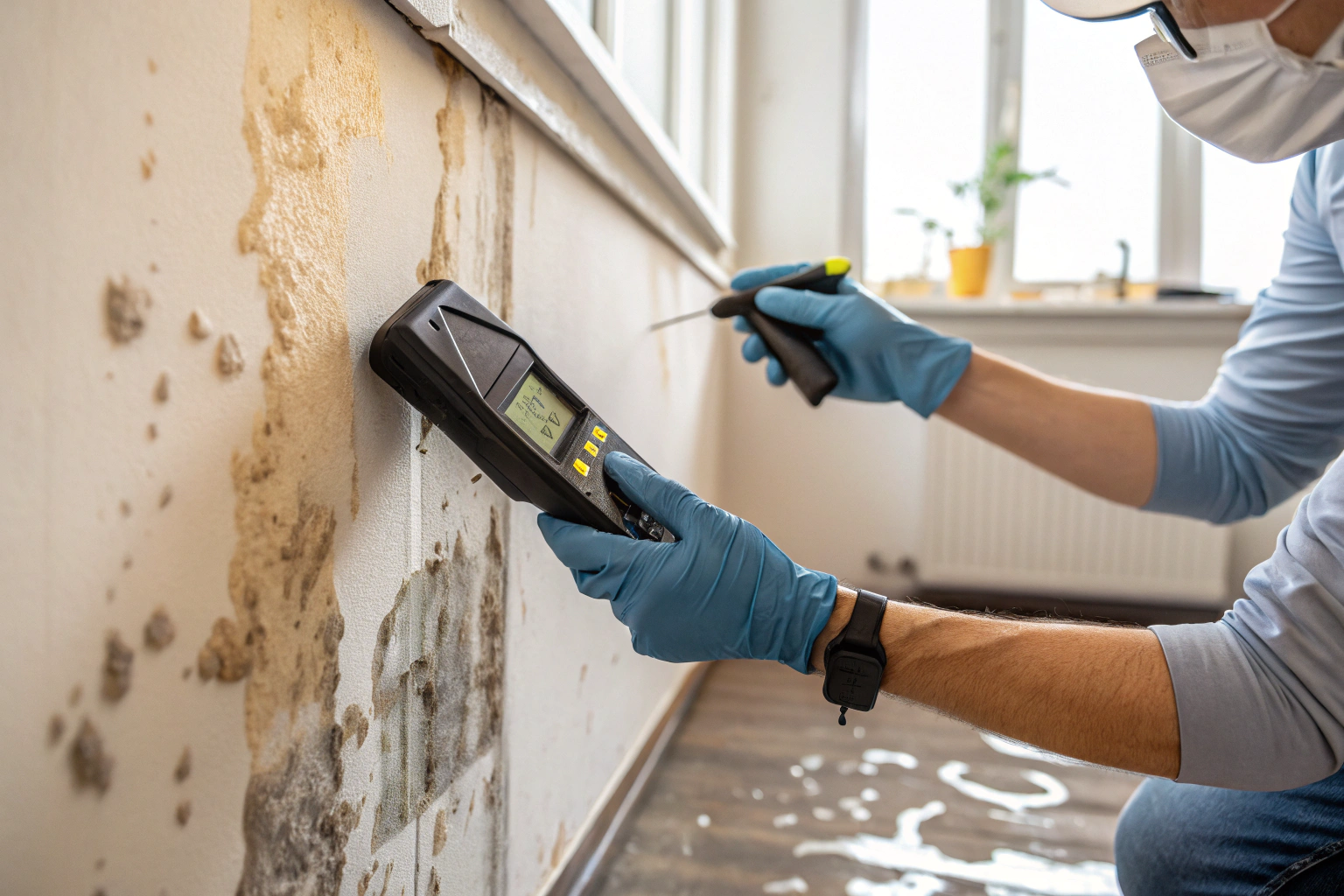
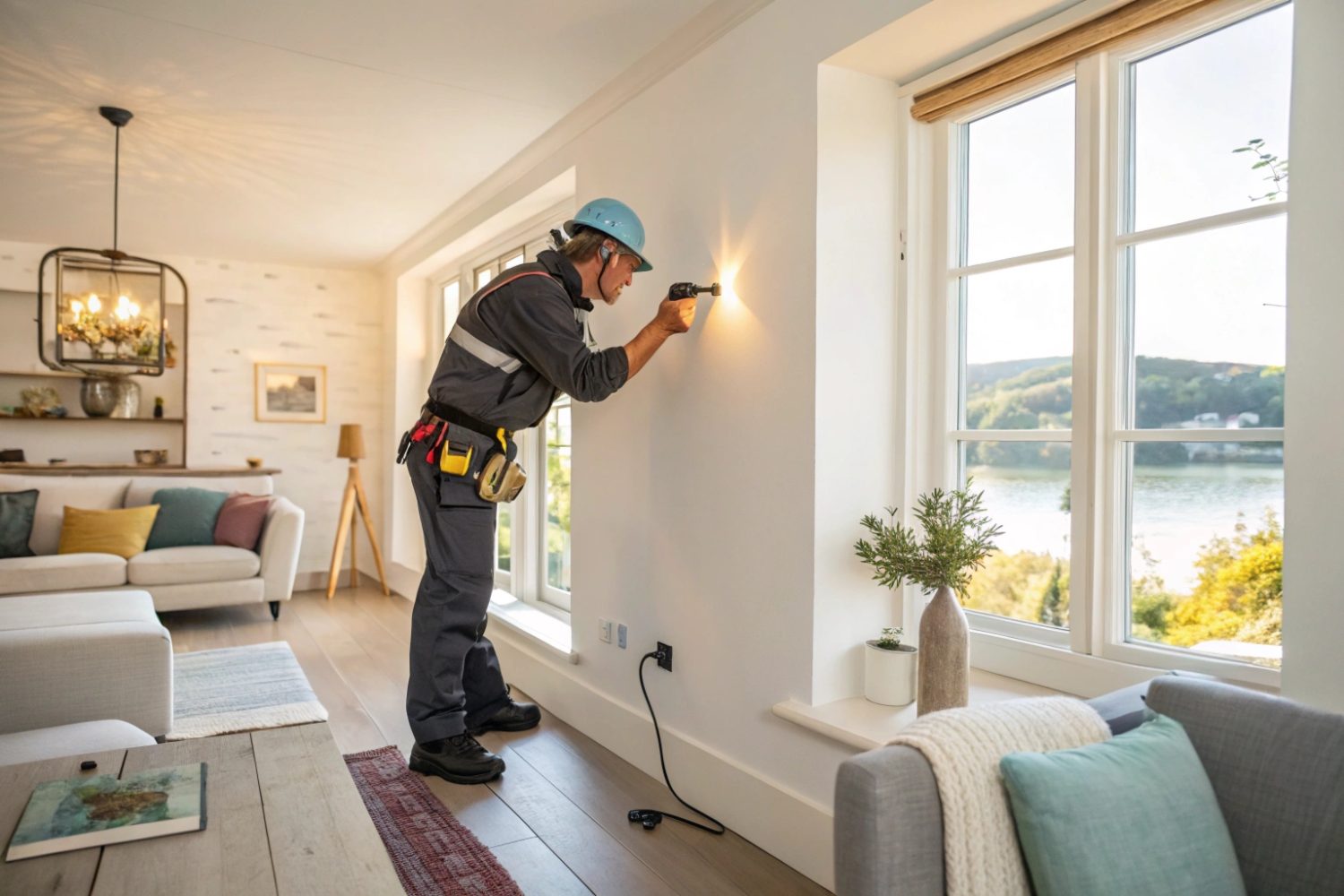
Every job begins with a thorough property assessment before any treatment is recommended or priced. Our licensed technicians use thermal imaging cameras, moisture metres, and air quality testing equipment to map the full extent of water intrusion and mould presence — including areas that are not visible to the naked eye. Wall cavities, ceiling spaces, subfloors, and crawl spaces are all inspected as standard, because damage confined to surfaces rarely tells the full story.
Our assessment process covers:
- Moisture mapping across all affected rooms and adjoining spaces
- Thermal imaging to detect hidden water behind walls and under floors
- Air quality sampling to identify airborne mould spore concentrations
- Surface sampling for laboratory mould identification, where required
- Structural inspection of subfloors, roof cavities, and wall frames
From the assessment, we produce a clear scope of work that outlines exactly what needs to be treated, why, and in what order. No guesswork, no open-ended quoting. Newcastle homeowners and property managers receive a documented assessment they can act on immediately — and where insurance claims are involved, our reports are formatted to support the process.

Our Equipment and Remediation Technology
Professional mould remediation and water damage restoration produce results that DIY methods cannot replicate — and the equipment is the reason why. Our technicians arrive on site with industrial-grade technology calibrated for Newcastle’s specific conditions, including high-humidity environments, older building materials, and contaminated subfloor spaces.
Our core equipment includes HEPA-filtered negative air machines that contain airborne spores during remediation, industrial dehumidifiers and air movers for structural drying, thermal imaging cameras for hidden moisture detection, and hydroxyl generators for odour neutralisation and air treatment without the need to vacate the property. For water damage restoration, we deploy truck-mounted extraction units capable of removing large volumes of water rapidly from flooring, wall cavities, and subfloor spaces. All surface treatments use EPA-registered antimicrobial products proven effective against the mould strains most commonly found in Newcastle properties. The right equipment, applied by licensed technicians, is what separates a permanent result from a temporary fix.
Licensed, Certified and Fully Insured Technicians
Every technician operating under our service is licensed, certified, and fully insured — not subcontracted, not unsupervised, and not cutting corners on compliance. Our team holds current certifications in mould remediation, water damage restoration, and hazardous materials handling, with training aligned to Australian industry standards and NSW regulatory requirements.
For Newcastle homeowners dealing with pre-1987 housing stock, our technicians are trained in asbestos awareness protocols — a non-negotiable given the age of local properties across suburbs like Mayfield, Waratah, and Hamilton. All work is conducted with appropriate personal protective equipment, containment procedures, and site safety practices as standard.
Our public liability insurance and professional indemnity cover protect every client on every job. When you request a clearance certificate or require documentation for an insurance claim or property transaction, our credentials stand up to scrutiny — from assessors, solicitors, and body corporates alike.
The Difference Between Mould Cleaning and Mould Remediation
| Mould Cleaning | Mould Remediation |
|---|---|
| Mould cleaning refers to the removal of visible mould from surfaces using chemical treatments or physical scrubbing. It addresses what can be seen — bathroom tiles, ceiling paint, and wall surfaces — but does not treat spores embedded in building materials or resolve the underlying moisture source driving regrowth. For minor, isolated surface mould in a well-ventilated area with no structural involvement, cleaning may be a suitable short-term response. It is not a permanent solution where moisture ingress is present. | Mould remediation is a full-scope intervention that removes both visible mould and the spore contamination within building materials, treats affected cavities and structural elements, resolves moisture pathways, and applies antimicrobial treatments to prevent recurrence. It is the appropriate response when mould has penetrated beyond the surface layer into plaster, timber, or insulation — or when air quality testing confirms elevated airborne spore concentrations. Remediation is also required for black mould, toxic mould, and any mould growth linked to unresolved water damage in the property. |
What to Expect From Our Mould Remediation Process
Mould remediation in Newcastle follows a structured process that moves from assessment through to clearance — no shortcuts, no skipped stages.
Step 1 — Inspection and moisture mapping. We assess the full extent of mould presence and water intrusion using thermal imaging and moisture metres before any treatment begins.
Step 2 — Containment. Affected areas are isolated using negative air pressure containment to prevent airborne spore dispersal to unaffected rooms.
Step 3 — Removal and treatment. Contaminated materials are removed where necessary, and all affected surfaces are treated with EPA-registered antimicrobial products.
Step 4 — Structural drying. Industrial dehumidifiers and air movers bring moisture levels in walls, floors, and cavities back to safe readings.
Step 5 — Clearance testing. Post-remediation air quality sampling confirms the space meets safe spore concentration levels before containment is removed.
Step 6 — Documentation. A full remediation report and clearance certificate are issued — suitable for insurance claims, property sales, and strata records.


FAQ: Mould Removal and Water Damage Restoration Newcastle
Mould can begin growing within 24 to 48 hours of water intrusion. Newcastle’s humidity accelerates this significantly. Fast water extraction and structural drying are the most effective way to prevent mould establishing in wall cavities, flooring substrates, and ceiling spaces.
Mould removal addresses visible surface mould. Mould remediation is a full-scope process that treats spores embedded in building materials, resolves moisture sources, and applies antimicrobial treatments to prevent recurrence. Remediation is required when mould has penetrated beyond the surface layer.
Black mould produces mycotoxins that can cause respiratory irritation, headaches, and allergic reactions — particularly in children and people with asthma. Professional identification and removal is recommended rather than DIY treatment, which can disturb spores and spread contamination to unaffected areas.
Duration depends on the extent of affected areas. A single room treatment may take one day. Whole-property remediation involving multiple rooms, subfloors, and wall cavities can take two to four days. A clear timeline is provided following the initial property assessment.
For contained, single-room remediation, remaining in the property is often possible. For larger jobs involving airborne spore risk across multiple areas, temporary relocation is recommended. Our technicians use negative air pressure containment and hydroxyl generators to minimise disruption where occupation continues.
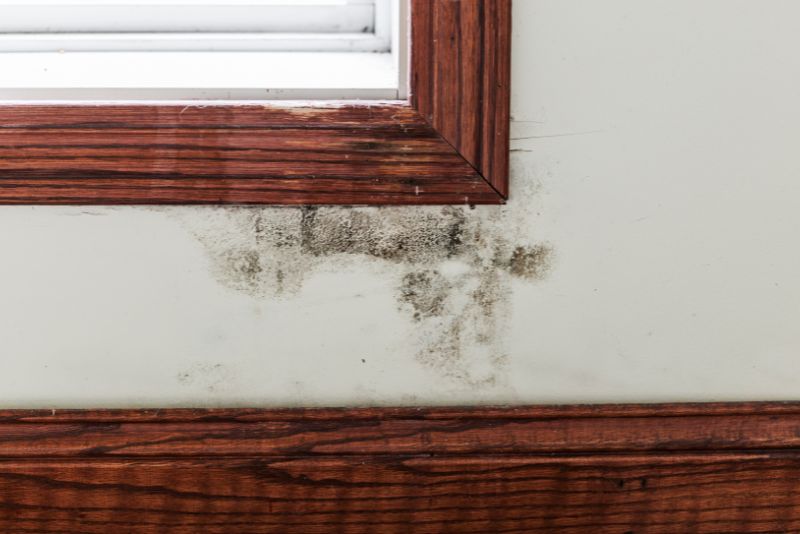
Surface cleaning removes visible mould but does not eliminate spores embedded in plaster, grout, or timber. Without treating the underlying moisture source, regrowth is inevitable. Professional remediation addresses both the mould colony and the conditions allowing it to establish and return.
Get a Free Mould Inspection or Same-Day Quote in Newcastle
Water damage restoration and mould remediation move faster than most homeowners expect — and so do we. Our licensed technicians service Newcastle and the broader Hunter region, with same-day response available for urgent water damage and active mould situations.
Whether you are a homeowner, landlord, property manager, or strata representative, we are equipped to assess your property, provide a clear scope of work, and get the job done properly the first time
- Free mould inspections for residential and commercial properties
- Same-day quotes on water damage restoration and mould remediation
- Clearance certificates issued post-remediation
Call us today or submit an enquiry online. Fast response, licensed technicians, and documented results — Newcastle’s trusted water damage restoration and mould specialists.
