
Helping Newcastle Strata Communities Stay Ahead of Mould
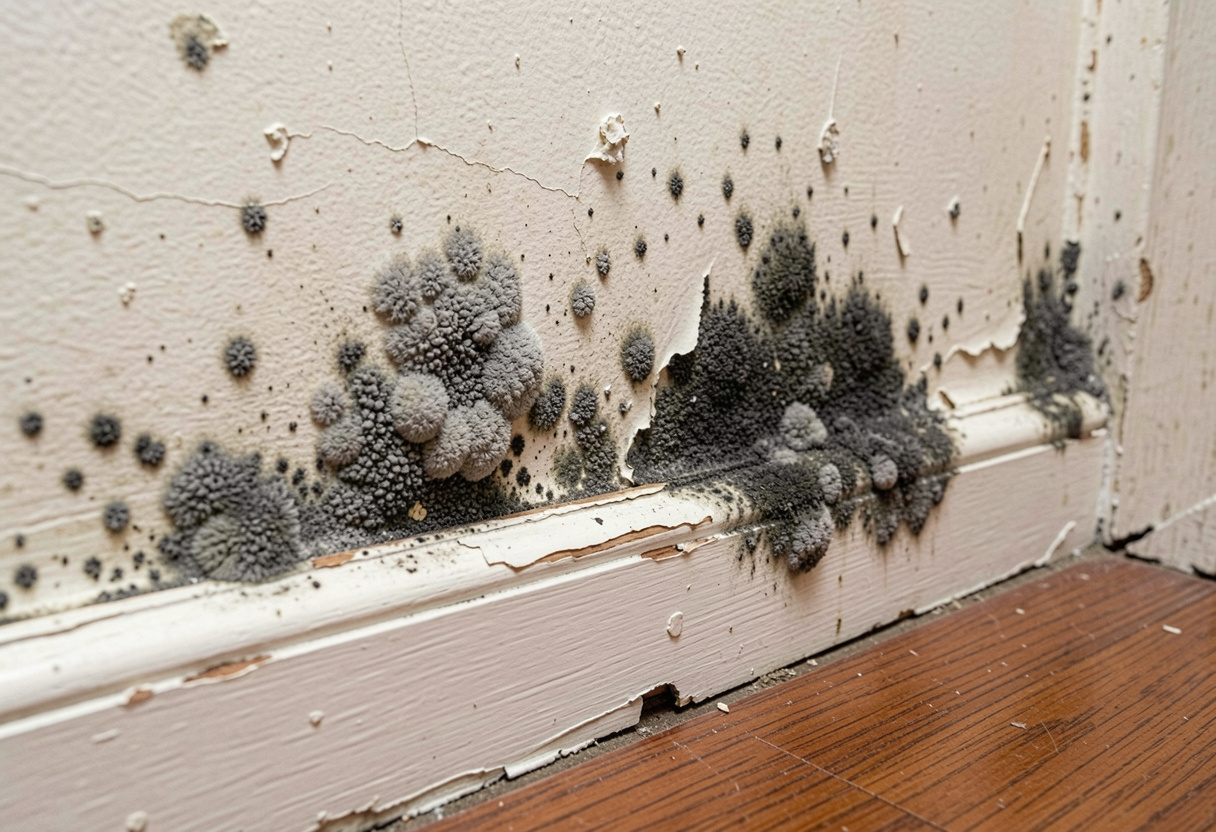
Mould in a strata building doesn’t just affect one lot — it spreads through common property, generates complaints, triggers insurance questions, and lands squarely on the owners corporation’s maintenance obligations. For strata managers across Newcastle’s CBD, Honeysuckle precinct, and Hamilton, that pressure is constant.
Our strata mould maintenance program converts what’s typically an unpredictable series of reactive remediation events into a scheduled, documented, budgetable maintenance obligation — one that protects common property, satisfies lot owners, and gives the committee the paper trail it needs. Newcastle’s coastal humidity and ageing strata building stock make biological pressure on common property a year-round reality. We work directly with strata managers and body corporate committees to manage that reality systematically — before it becomes a complaint, a claim, or a liability.

What Strata Mould Maintenance Covers
Newcastle Strata Building Context
A Growing Strata Market With Ongoing Maintenance Obligations
Newcastle’s strata market is substantial and growing. The CBD, Honeysuckle precinct, and Hamilton together carry a significant concentration of apartment and mixed-use strata buildings where common property mould maintenance is an ongoing operational requirement — not an occasional event.
Ageing Building Stock and Building Envelope Failures
Buildings constructed through the 1980s and 1990s are now generating consistent building envelope failures — waterproofing membranes at end of service life, original sealants shrinking and cracking, and ventilation systems that no longer perform to their original specification. Those failures drive mould. Managing them requires a contractor who understands construction-era building envelope characteristics, not just surface treatment chemistry.
Coastal Exposure Accelerates the Problem
Newcastle’s beachside strata buildings — particularly those with direct ocean-facing facades in suburbs like The Hill, Bar Beach, and Merewether — face accelerated biological growth and faster waterproofing deterioration than equivalent buildings further inland. Salt air is relentless on facade materials, and the maintenance program needs to account for that exposure profile.
NSW Strata Regulations and Compliance Obligations
The NSW strata regulatory environment adds a compliance dimension that experienced strata managers take seriously. Owners corporation maintenance obligations under the Strata Schemes Management Act are clearly defined, lot owner rights are well understood, and the consequences of documented maintenance failures — whether in NCAT proceedings or insurance disputes — are real.


Responding to Lot Owner Mould Complaints
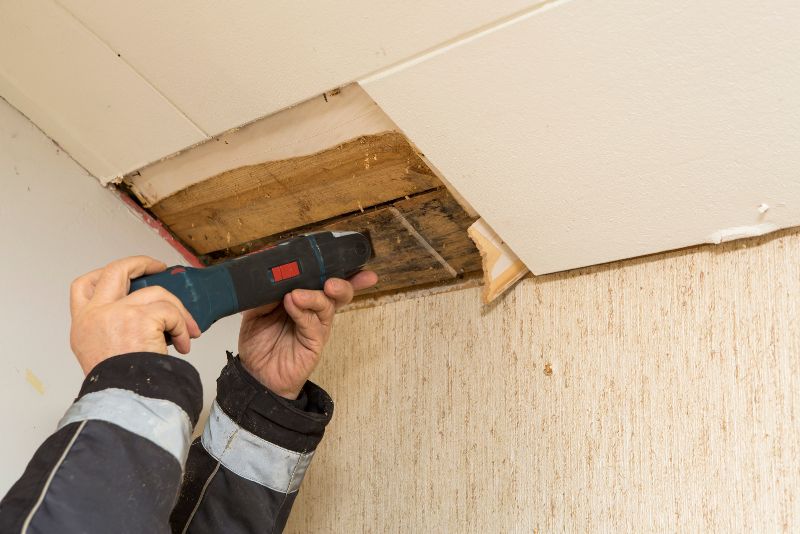
As part of the maintenance relationship, we provide rapid response to lot owner mould complaints — conducting boundary assessments to determine whether the mould source lies in common property or within the lot itself. That distinction is the critical question in every strata mould complaint, and getting it wrong exposes the owners corporation to either unnecessary remediation expenditure or legitimate lot owner grievances that escalate.
We provide written assessment reports in a format suitable for strata manager communication with lot owners and the committee — clearly documenting the identified mould source, the boundary assessment outcome, and the recommended response pathway. Where common property is confirmed as the source, we coordinate treatment as part of the maintenance program. Where the assessment identifies an internal lot cause, we provide the lot owner with clear guidance on their own remediation responsibilities.
Book a Strata Building Assessment
If you manage strata buildings in Newcastle and mould complaints are a recurring agenda item, a scheduled maintenance program is a more defensible and cost-effective approach than reactive remediation every time a lot owner raises a concern.
We offer a strata building assessment and program proposal — a site inspection of your common property, a documented risk assessment, and a proposed maintenance schedule with clear pricing that works for your budget cycle.
FAQs About Strata Mould Maintenance in Newcastle
How often should a strata building in Newcastle be inspected for mould?
For most Newcastle strata buildings I’d recommend quarterly inspections at minimum — the coastal humidity and salt air exposure here means biological pressure on common property doesn’t let up between seasons the way it might inland. Older 1980s and 1990s buildings with known envelope issues often benefit from six-weekly visits during the wetter months. The right frequency depends on your building’s age, facade exposure, and complaint history, which is why we assess each building individually before proposing a schedule.
What does a strata mould maintenance program actually cost?
Pricing is structured around your building’s size, the number of common property areas requiring scheduled treatment, and the inspection frequency the building’s condition warrants. For most Newcastle strata buildings we’re talking about a predictable quarterly or six-monthly line item that’s far cheaper than a single reactive remediation event. We provide a detailed program proposal with fixed pricing after the initial building assessment so committees can budget accurately.
Can mould in a lot owner's apartment be the owners corporation's responsibility?
It can be, and that’s exactly the question our boundary assessment is designed to answer. If the mould source traces back to a common property defect — a failed waterproofing membrane, a blocked downpipe, or a deteriorating external facade — the owners corporation carries the remediation obligation. I’ve assessed buildings across Newcastle’s CBD and Honeysuckle precinct where lot owners had been managing recurring mould internally for years before anyone identified the common property building envelope failure driving it.
Do you provide documentation suitable for NCAT proceedings or insurance claims?
Yes — every inspection and treatment visit generates a written report formatted specifically for strata records, committee meeting papers, and if needed, legal or insurance purposes. Newcastle strata managers dealing with lot owner disputes or insurance claims need dated, detailed documentation showing the owners corporation has actively managed its maintenance obligations. Our reports are written with that standard in mind from the start.
Why is mould such a persistent problem in Newcastle strata buildings specifically?
Newcastle sits at the Hunter River mouth with direct Pacific Ocean exposure, which means the humidity pressure on buildings here is genuinely different to what you’d see in inland NSW cities. Add in a large proportion of strata buildings constructed in the 1980s and 1990s — when waterproofing standards were well below where they are today — and you’ve got ageing building envelopes under constant biological pressure. That combination is why mould complaints are a recurring agenda item for so many Newcastle owners corporations rather than an occasional issue.
Can you work directly with lot owners, or only through the strata manager?
We work primarily through strata managers and body corporate committees because that’s the right governance structure for common property maintenance — but when a lot owner complaint comes in, we’re comfortable communicating directly with the lot owner as part of the assessment process if the strata manager prefers that approach. What matters is that the boundary assessment outcome and the recommended response pathway are clearly documented and communicated back through the strata manager so the committee stays informed. We don’t create communication chaos — we reduce it.
