
Newcastle's Rapid Response Water Damage Restoration Specialists
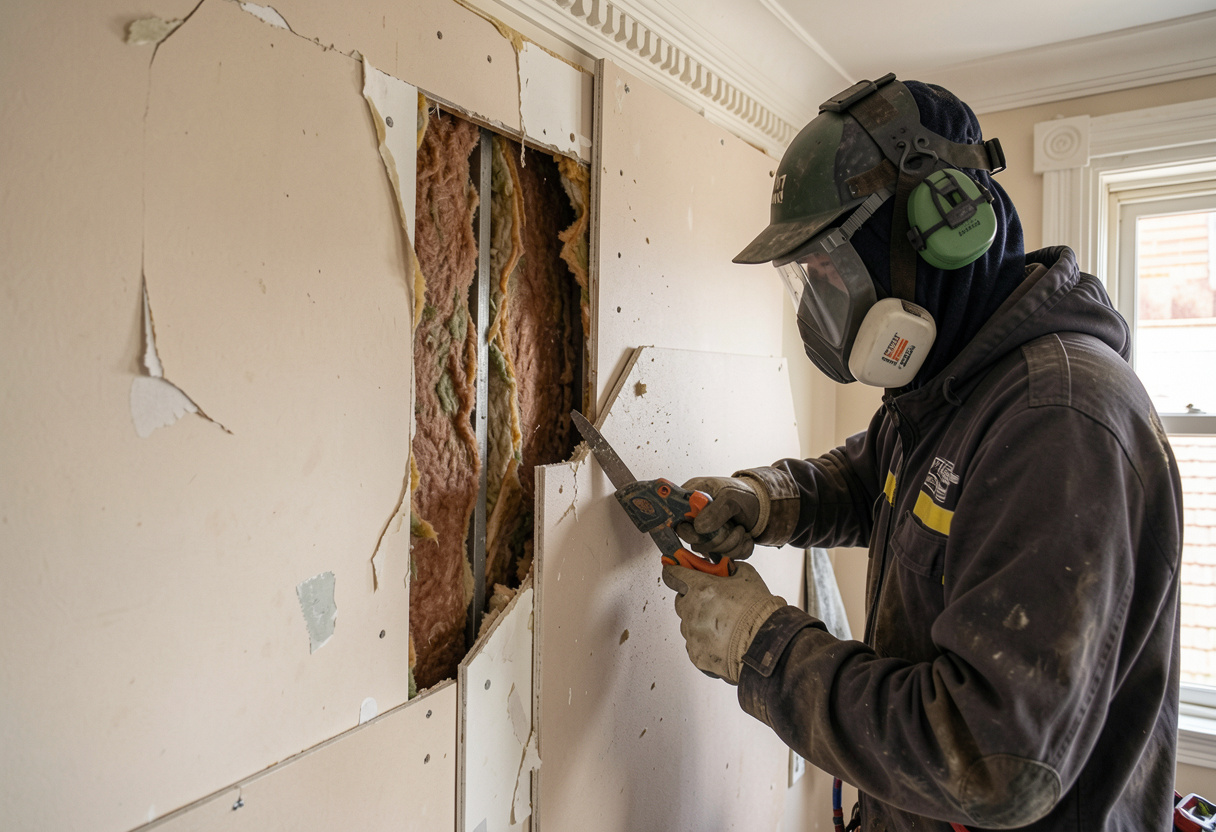
Water doesn’t wait — and neither should you. Every hour water stays in contact with your walls, floors, and framing, the damage gets worse and the bill gets bigger. What starts as a burst pipe in a Tighes Hill terrace or a storm-driven roof leak in Wallsend can turn into a full structural drying job within 24 hours — and active mould growth within 48. That’s not a scare tactic, that’s just what water does when it gets into building materials unchecked.
We’re Newcastle’s rapid response water damage restoration specialists. From Carrington to Charlestown, Sandgate to Stockton, we’re on call 24 hours a day to stop the damage in its tracks — extracting water, drying structures, and preventing mould before it takes hold. The faster we get there, the better the outcome. Simple as that.

What the Restoration Process Actually Looks Like
Water damage restoration isn’t just showing up with a wet vac and some fans. There’s a defined sequence of work that separates a proper restoration from a surface fix that leaves hidden moisture behind — and hidden moisture is where the real problems start.
Understanding Water Damage Categories
Category 1 — Clean Water
This is water from a supply line break, a rainfall ingress event, or a leaking roof where the water itself carries no contamination. It’s the most straightforward category to work with, though it still causes serious structural damage if left unaddressed.
Category 2 — Grey Water
Grey water comes from appliance overflows, dishwasher leaks, washing machine failures, and similar sources. It carries moderate contamination — biological material, detergents, food matter — and requires appropriate handling protocols beyond what you’d apply to clean water.
Category 3 — Black Water
Sewage backflows, rising floodwater, and stormwater intrusion all fall here. This water carries serious biological contamination and requires full biohazard treatment protocols — appropriate PPE, containment, antimicrobial treatment, and often the removal of porous materials that can’t be adequately decontaminated.


Mould Prevention Starts During Restoration, Not After
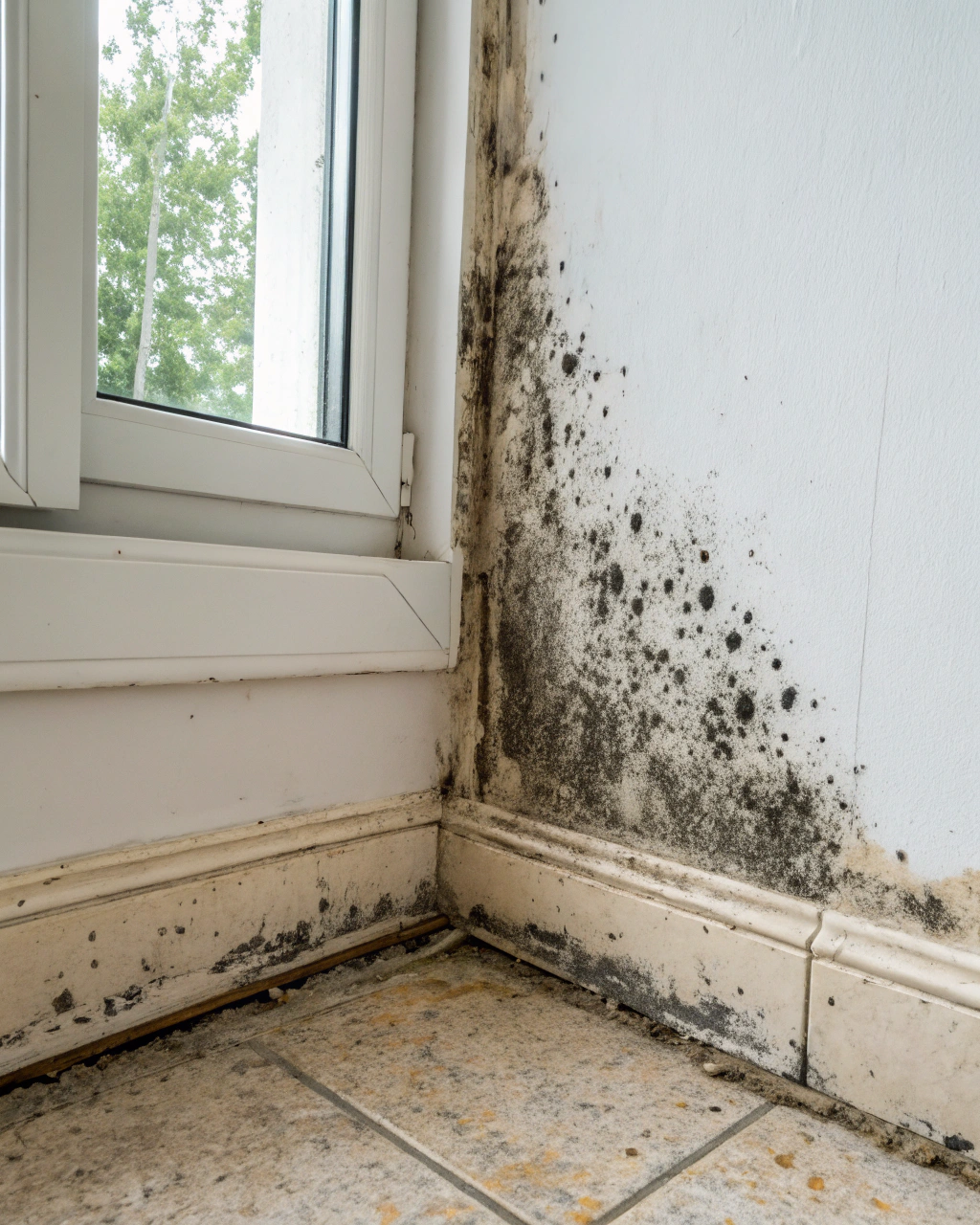
Here’s something most property owners don’t realise until it’s too late: mould can begin establishing in water-affected materials within 24 to 48 hours of a water event. By the time you can see it or smell it, it’s already been growing for days.
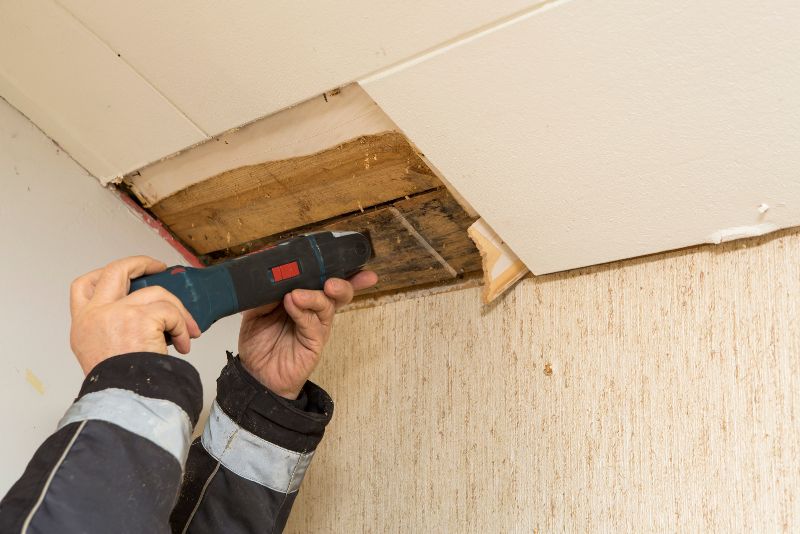
That’s why mould prevention during the restoration process isn’t optional — it’s central to the whole job. Antimicrobial treatment applied to affected surfaces while drying is underway actively disrupts mould establishment before it gets a foothold. Thorough structural drying eliminates the moisture conditions mould needs to survive. Get both right, and you stop the mould problem before it starts.
This is also where working with an operator who handles both water damage restoration and mould remediation makes a real difference. If moisture is found in a wall cavity during drying, or if a post-restoration inspection identifies early mould activity, there’s no gap between contractors, no finger-pointing, and no delay.
Newcastle Water Damage — Local Risks Worth Knowing
East Coast Low weather events hit this region hard and regularly. When they do, low-lying suburbs like Tighes Hill, Carrington, and Sandgate cop flash flooding, stormwater intrusion, and roof damage that sends water through ceilings and into wall cavities faster than most homeowners can react. These aren’t rare events — they’re a recurring feature of living on the Hunter coast.
Older properties across the Newcastle and Hunter region are also carrying ageing copper and galvanised plumbing that’s well past its intended service life. Burst pipe events in these homes can saturate subfloors and wall cavities before the water even makes it to a visible surface — and because the housing stock is older, the building materials involved are often more absorbent and harder to dry.
Roof leak water damage during storm events is another major driver in Newcastle — older housing stock with original roofing, valley iron, and flashings that haven’t been touched in decades.
Why Choose Us for Water Damage Restoration in Newcastle
We respond 24 hours a day. Water damage at 2am gets the same response as water damage at 2pm.
We dry structures properly. Not surface-dry. Not fan-and-hope. Calibrated commercial drying equipment, daily moisture monitoring, and documented verification that every affected material has reached safe moisture levels before we sign off.
We prevent mould from the start. Antimicrobial treatment during the drying process — not after mould appears — is standard on every job.
We handle both water damage and mould. If moisture mapping turns up concealed mould activity during restoration, there’s no gap between contractors.
We document everything for insurance. Daily moisture readings, photographic records, material removal documentation, and final verification reports — all formatted to support a smooth insurance claim whether you’re a homeowner, tenant, or owners corporation.
We know Newcastle. From East Coast Low flood events in Carrington to burst pipes in Hamilton’s older housing stock to strata water damage in Newcastle CBD apartments — we’ve seen it, we’ve dried it, and we know how to handle the local insurance landscape that comes with it.
Ready to Talk to Newcastle's Water Damage Restoration Specialists?
Water damage gets more expensive the longer it sits. If you’ve got water in your property — whether it happened an hour ago or you’ve just discovered damage you didn’t know was there — call us now for an immediate response.
We’re available 24 hours a day, seven days a week across Newcastle and the Hunter region. Fast attendance, proper drying, full insurance documentation, and mould prevention built into every job from day one.
Call us now for emergency response or to book an assessment — we’re ready when you need us.
FAQs About Water Damage Restoration in Newcastle
How long does water damage restoration typically take in Newcastle?
Most residential jobs in Newcastle take anywhere from three to five days for the drying phase alone, though older homes with timber subfloors and dense plaster walls — common across suburbs like Hamilton and Merewether — can run longer because those materials hold moisture differently than modern construction. I always tell people not to rush the drying timeline, because pulling equipment out early to save a day is exactly how you end up with a mould problem a month later. Once the structure reads dry on the meters, then we talk about the repair phase.
Will my home insurance cover water damage restoration in NSW?
Most home and contents policies in NSW cover sudden and accidental water damage — a burst pipe, a storm event, an appliance failure — but they generally don’t cover damage that’s resulted from a slow leak that’s been ignored over time. My advice is to call your insurer as soon as the event happens and document everything from the moment you find it, because insurers look at response time as part of their assessment. We provide full documentation from day one specifically to support that claims process.
Can water damage in one Newcastle apartment affect my neighbours?
Absolutely — and it happens more than people realise, particularly in Newcastle’s CBD and inner-suburb apartment blocks where the strata sector is significant. Water travels through concrete slabs, along conduits, and into the units directly below before it even shows up on your own floor. If you’re in a strata property, notify your owners corporation immediately because the affected area is almost always larger than what’s visible in the lot where the event started.
Is it safe to stay in my home during the restoration process?
For Category 1 clean water events — a burst pipe, rainwater ingress — staying in the property is usually fine as long as the affected area is manageable and the equipment isn’t creating access issues. Category 3 events involving sewage or floodwater are a different story entirely, and I’d recommend vacating until biohazard treatment and initial drying is complete. Newcastle families with young children or anyone with respiratory sensitivities should err on the side of caution regardless of the water category.
What should I do in the first hour after discovering water damage in my Newcastle home?
Stop the source if you can — turn off the water at the mains, which for a lot of Newcastle’s older homes means finding a tap that probably hasn’t been touched in twenty years, but do it. Move valuables, furniture, and anything absorbent off wet floors, and take photos of everything before you touch it. Then call a restoration professional straight away, because that first hour is genuinely the most important one in determining how far the damage spreads.
Why does Newcastle seem to get so much water damage compared to other parts of NSW?
It comes down to geography and housing age working against each other at the same time. Newcastle sits at the Hunter River mouth with direct ocean exposure, which means East Coast Lows and storm events hit here with more intensity and frequency than they do inland — and when those storms hit, they’re landing on a housing stock where a significant proportion of homes were built before modern waterproofing standards existed. That combination of aggressive weather and ageing buildings is exactly why water damage restoration stays busy here year-round.
