
Newcastle Rental Property Mould Treatment and Compliance Services
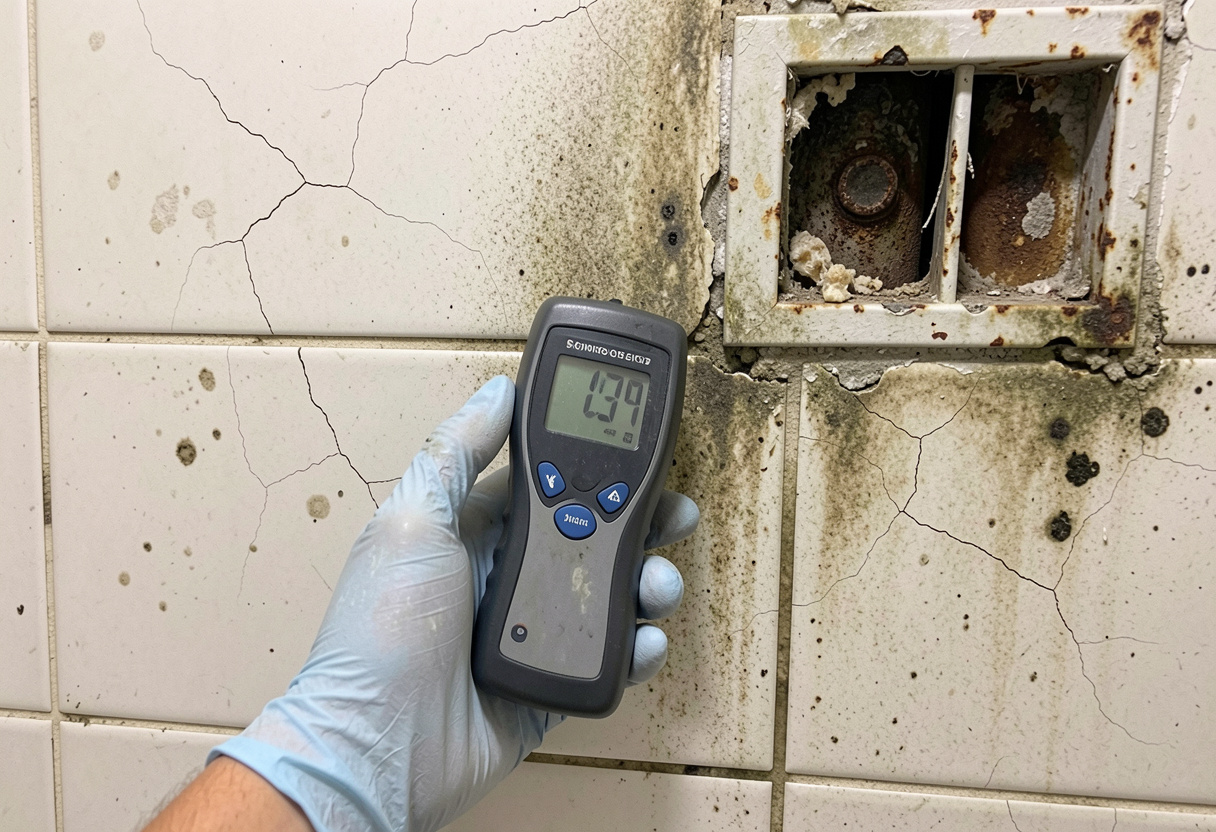
Rental property mould treatment in Newcastle is one of those issues that lands on a property manager’s desk fast — and if it’s not handled properly, it doesn’t go away. A tenant lodges a complaint, you send a cleaner, the mould comes back in six weeks, and now you’ve got a Fair Trading complaint or an NCAT application sitting in your inbox. That’s not a maintenance problem anymore.
That’s a legal and compliance problem. Under the Residential Tenancies Act 2010, landlords have a clear obligation to keep rental properties in a reasonable state of repair and fit for habitation — and mould that stems from structural defects, inadequate ventilation, plumbing failures, or building envelope issues falls squarely on the landlord to fix. We work directly with property managers, landlords, and real estate agencies across Newcastle to deliver professional, documented rental property mould treatment that closes out the complaint, protects the tenancy, and holds up if it ever goes to tribunal.

What Landlords and Property Managers in Newcastle Are Legally Obligated to Do
Rental Property Mould Treatment Built Around Property Management Workflows
Treating mould in a tenanted property is a different job to treating an owner-occupied home. The workflow, the communication, and the documentation requirements are all different. Here’s how we handle it:
Coordinating Tenant Access With Proper Notice Compliance
We work within the required notice periods under NSW tenancy law when scheduling access — no shortcuts that create a secondary complaint. Tenant communication is handled professionally and respectfully so the access process doesn’t add friction to an already sensitive situation.
Efficient Treatment to Minimise Tenant Disruption and Vacancy
Time in a tenanted property matters. We complete treatment methodically and efficiently, keeping disruption to a minimum and getting the property back to a liveable standard as quickly as possible. For vacant properties between tenancies, we can turn treatment around fast to protect your letting timeline.
Written Treatment Reports Formatted for Property Management Records
Every job comes with a written treatment report suitable for your property management file and, if needed, tribunal evidence. The report covers what was found, what was treated, the products and methods used, and the outcome — formatted in a way your office can actually use, not just a handwritten invoice.
Root Cause Assessment and Documentation to Support Maintenance Decisions
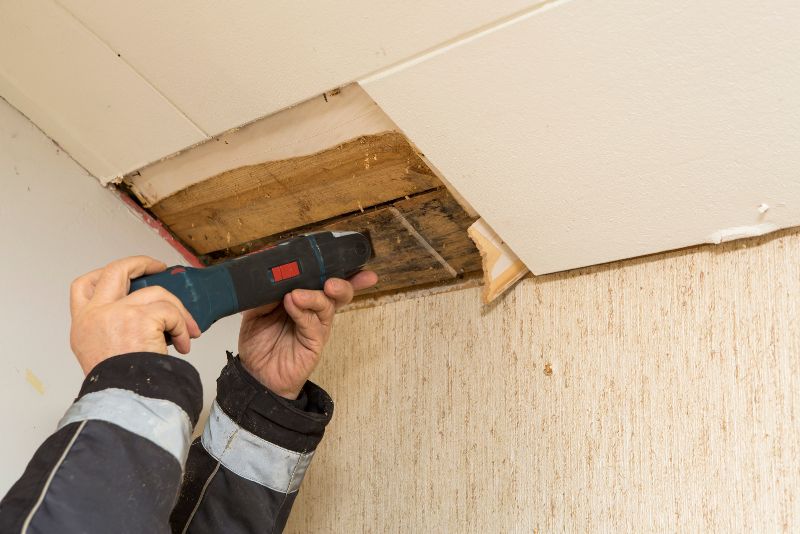
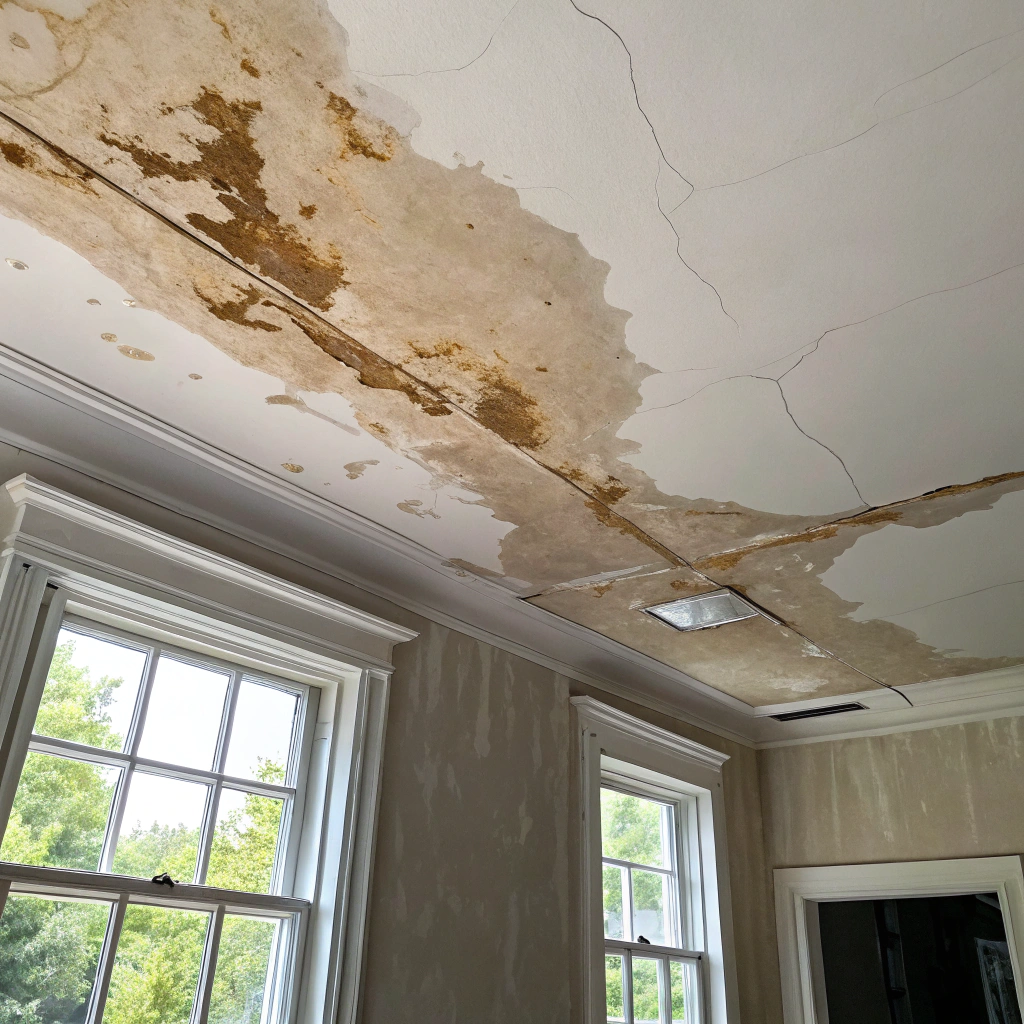
We identify and document the probable cause of the mould growth — whether that’s a leaking roof, inadequate bathroom exhaust ventilation, rising damp, a plumbing defect, or condensation from building design. That assessment gives you the information you need to make the right maintenance call and creates a clear record distinguishing structural cause from tenant behaviour.
Re-Inspection Services to Formally Close Out Maintenance Requests
We offer re-inspection services after treatment to confirm outcomes and provide written confirmation that the mould issue has been resolved. That sign-off is the formal close-out your maintenance records need — and it’s the documentation that protects you if a tenant raises the issue again down the track.


Newcastle's Rental Market and Why Mould Complaints Are So Common Here
Newcastle is one of the most active rental markets in regional NSW — and it’s also one where mould complaints come in at a higher rate than most property managers elsewhere in the state would expect. The reasons are structural and environmental, not coincidental.
The inner suburbs that generate the highest complaint volumes — Newcastle CBD, Islington, Mayfield, Hamilton, Wickham — are predominantly older housing stock. Federation cottages, 1960s brick veneer, worker’s terraces with minimal subfloor ventilation and original bathroom fitouts that were never designed to handle modern occupancy. These buildings weren’t built with vapour barriers or mechanical exhaust systems. They sweat in winter, they trap moisture after Newcastle’s frequent East Coast Low events, and the coastal salt air accelerates the degradation of window seals and weatherboard junctions that keeps moisture out of wall cavities.
On top of that, regulatory scrutiny of rental property standards in NSW has intensified over the past several years. Tenants are better informed, Fair Trading is more active, and the NCAT caseload for residential tenancy disputes — including mould-related applications — has grown steadily. Property managers who don’t have a reliable, documented specialist mould contractor on their approved supplier panel are carrying unnecessary risk across their portfolio.
Ready to Add a Reliable Mould Specialist to Your Approved Contractor Panel?
Rental property mould treatment in Newcastle needs to be handled fast, documented properly, and done by someone who actually understands how property management works. That’s what we do.
Whether you’ve got a tenant complaint sitting in your inbox right now, a property coming up for lease that needs treatment before the new tenancy starts, or you’re looking to establish an ongoing contractor relationship for your portfolio — we’re ready to help.
Call us today to book a rental property mould inspection or discuss your portfolio requirements. Fast response times, written reports on every job, and root cause assessment included as standard.
FAQs About Rental Property Mould Treatment in Newcastle NSW
How quickly can you get to a Newcastle rental property after a tenant mould complaint is lodged?
In most cases we can get to a Newcastle property within 24 to 48 hours of your call — we know a sitting tenant complaint isn’t something you can sit on. We prioritise rental properties specifically because the compliance clock starts ticking the moment that complaint hits your inbox. Fast response is part of the service, not an upsell.
Does Newcastle's coastal climate make mould worse in rental properties than in other parts of NSW?
It genuinely does, and it’s something we see across our rental property jobs every single week. Newcastle’s combination of ocean humidity, Hunter River moisture, and the East Coast Lows that roll through regularly creates persistent damp conditions that inland markets just don’t deal with at the same level. Older rental stock in suburbs like Mayfield, Islington, and Hamilton — built well before modern vapour barriers and mechanical ventilation were standard — takes the brunt of it.
Can you treat mould while the tenant is still living in the property?
Yes, and we do it regularly across Newcastle rental properties. We schedule access in compliance with NSW notice requirements, communicate directly with tenants in a way that keeps the process low-friction, and use treatment methods that allow tenants to return to the property the same day in most cases. The last thing a property manager needs is a disruption complaint on top of a mould complaint.
What's actually included in the written treatment report you provide after each job?
The report covers what mould was found and where, the probable cause based on our moisture readings and building inspection, the treatment methods and products used, and the outcome at the time of completion. It’s formatted to go straight into your property management file and, if it ever needs to, to hold up as evidence in an NCAT proceeding — that’s the standard we write it to every time.
How do I know whether the mould in my Newcastle rental is the landlord's problem or the tenant's?
That’s exactly what our root cause assessment is for — and it’s included on every rental property job we do. We take moisture readings, inspect the building envelope, ventilation, plumbing, and drainage, and give you a written professional opinion on what’s actually driving the mould growth. In a city like Newcastle where older housing stock is genuinely prone to structural moisture issues, that distinction matters enormously when a tenancy dispute lands at Fair Trading or NCAT.
Will the mould come back after treatment if the underlying cause isn't fixed?
Honestly, yes — if the root cause isn’t addressed, surface treatment only buys you time. That’s why we document the probable cause on every job and make specific maintenance recommendations alongside the treatment report. Whether it’s a leaking roof junction, a bathroom exhaust fan that hasn’t worked in years, or a rising damp issue common in Newcastle’s older worker cottages, we give you the information you need to fix it properly so the treatment actually holds.
