
Professional Bathroom Mould Solutions for Older Newcastle Properties
If you’ve scrubbed the grout, sprayed the bleach, and watched the black spots creep back within weeks — you’re not doing anything wrong. Bathrooms are the hardest room in any home to keep mould-free. Daily showers, steam, and limited airflow create conditions where mould doesn’t just sit on the surface — it works its way into grout, silicone, and plaster, and no amount of supermarket spray will reach it there.
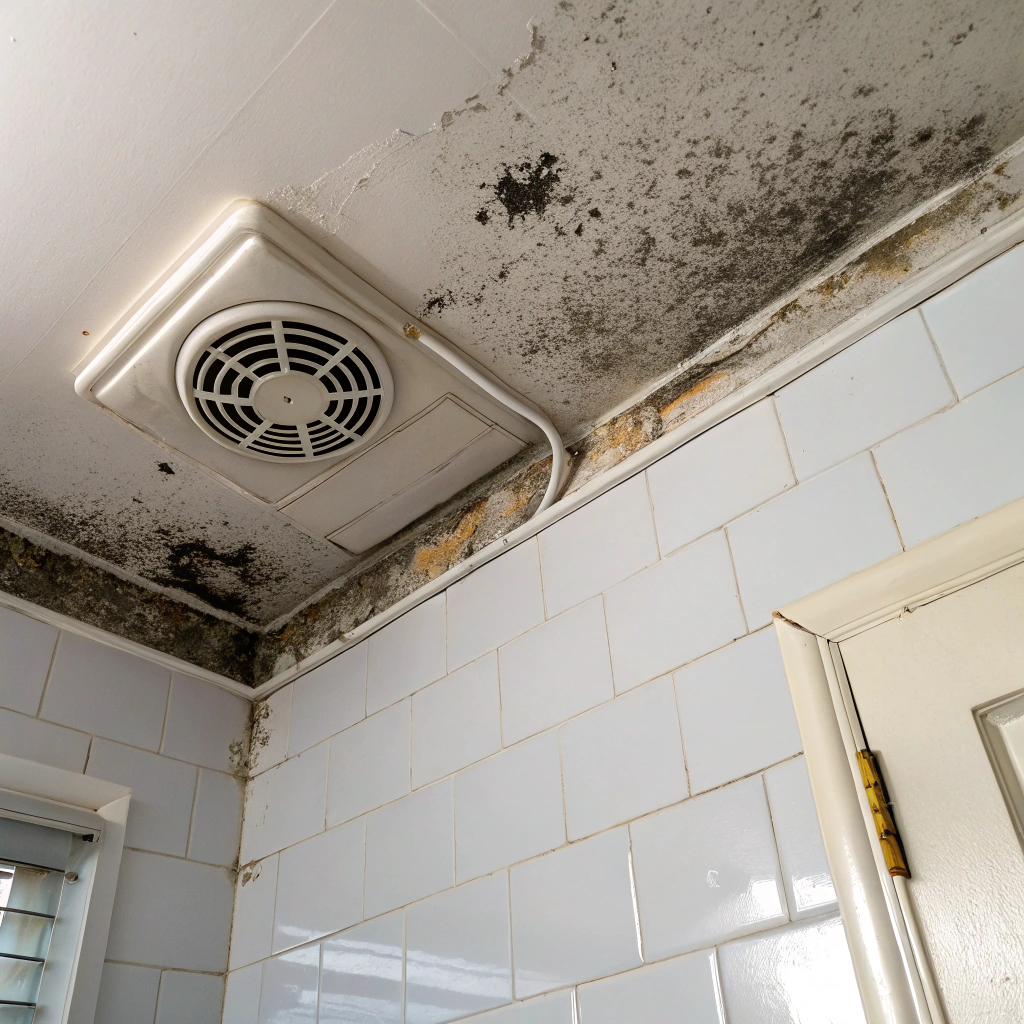
In Newcastle, that problem runs deeper. The coastal humidity off the Pacific means your bathroom never fully dries out between uses. For older homes in Merewether, Mayfield, or Hamilton — properties with original tile work, poor exhaust ventilation, and single-glazed windows sweating condensation — bathroom mould isn’t a cleaning problem. It’s an environmental one. Professional treatment is the only way to break the cycle for good.

Where Bathroom Mould Grows
The Professional Bathroom Mould Removal Process
Initial Assessment
Before any treatment begins, the full scope of mould coverage is assessed across all surfaces — tiles, grout, silicone, ceiling, walls, and cabinetry. Ventilation adequacy and moisture levels are checked, and any underlying issues like plumbing leaks or failed waterproofing are identified.
Professional-Grade Antifungal Treatment
Professional antifungal formulations are applied to all affected surfaces with appropriate dwell time to penetrate porous materials. These are not available over the counter and work at a fundamentally different level to household cleaning products.
Physical Mould Removal
Once the treatment has worked into the surface, mould matter is physically removed from tiles, grout lines, and hard surfaces. This step is where the visible transformation happens — and where proper technique and product dwell time make the difference between a clean result and a bleached-over one.
Silicone Sealant Replacement
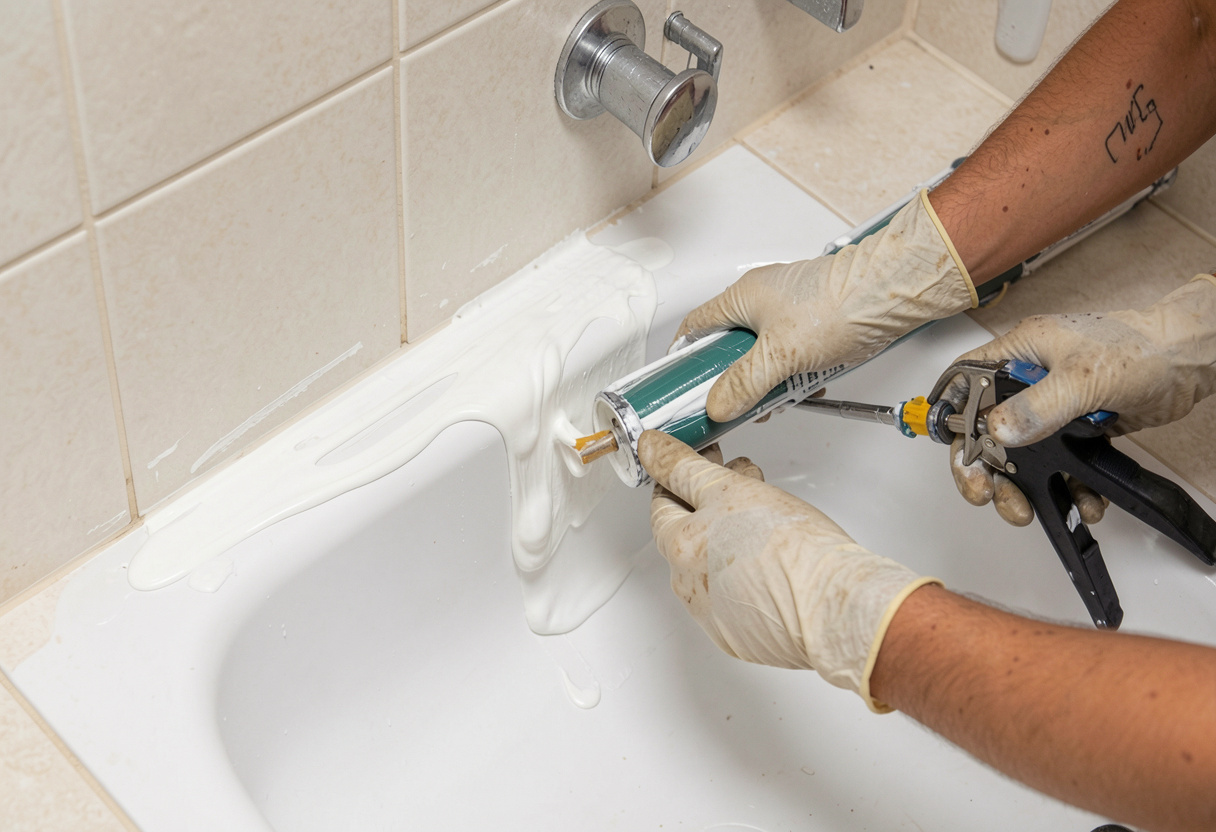
Degraded mould-affected silicone around baths, showers, and basins is fully removed and replaced with new antimicrobial silicone. This is one of the most impactful steps in the entire process — and one that most general cleaning services skip entirely. Without it, mould re-establishes in the same sealant line within months.
Ceiling and Wall Surface Treatment
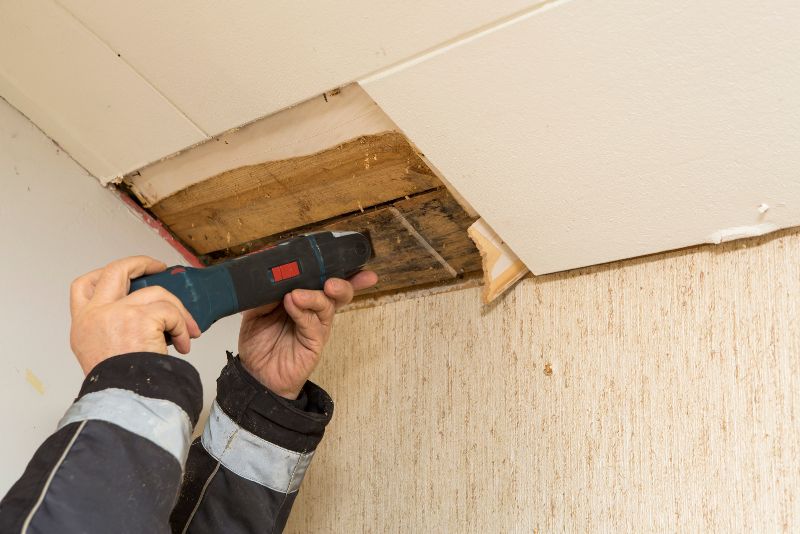
Painted and sealed ceiling and wall surfaces require specific products that won’t damage the finish while still delivering antifungal penetration. Treatment is applied to all affected areas, with particular attention to the zones directly above shower recesses.
Protective Antimicrobial Coating
Where appropriate, a protective antimicrobial coating is applied to treated surfaces after cleaning. This creates a surface barrier that inhibits regrowth and extends the time between treatments significantly — particularly valuable in Newcastle bathrooms with ventilation constraints or high daily use.


Newcastle Rental and Strata Properties
Bathroom mould in Newcastle’s rental market is one of the most common points of dispute between tenants, landlords, and property managers — and it’s entirely preventable with the right approach.
For tenants, professional mould treatment with proper documentation covers lease return obligations and supports bond recovery when mould has developed during a tenancy. A professional report confirming the cause, treatment applied, and post-treatment recommendations goes a long way in any dispute.
For landlords and property managers, the stakes are higher than just aesthetics. Untreated bathroom mould in a rental property is a habitability issue under NSW tenancy law. Documented professional remediation protects against tenancy tribunal disputes and demonstrates that the landlord has met their obligation to provide a safe and liveable property. In high-density rental suburbs like Newcastle CBD, Adamstown, and Kotara — where bathroom ventilation in older apartment buildings is often inadequate — bathroom mould is a recurring issue that needs a recurring professional solution, not repeated spot cleaning by maintenance staff.
What You Get After Treatment
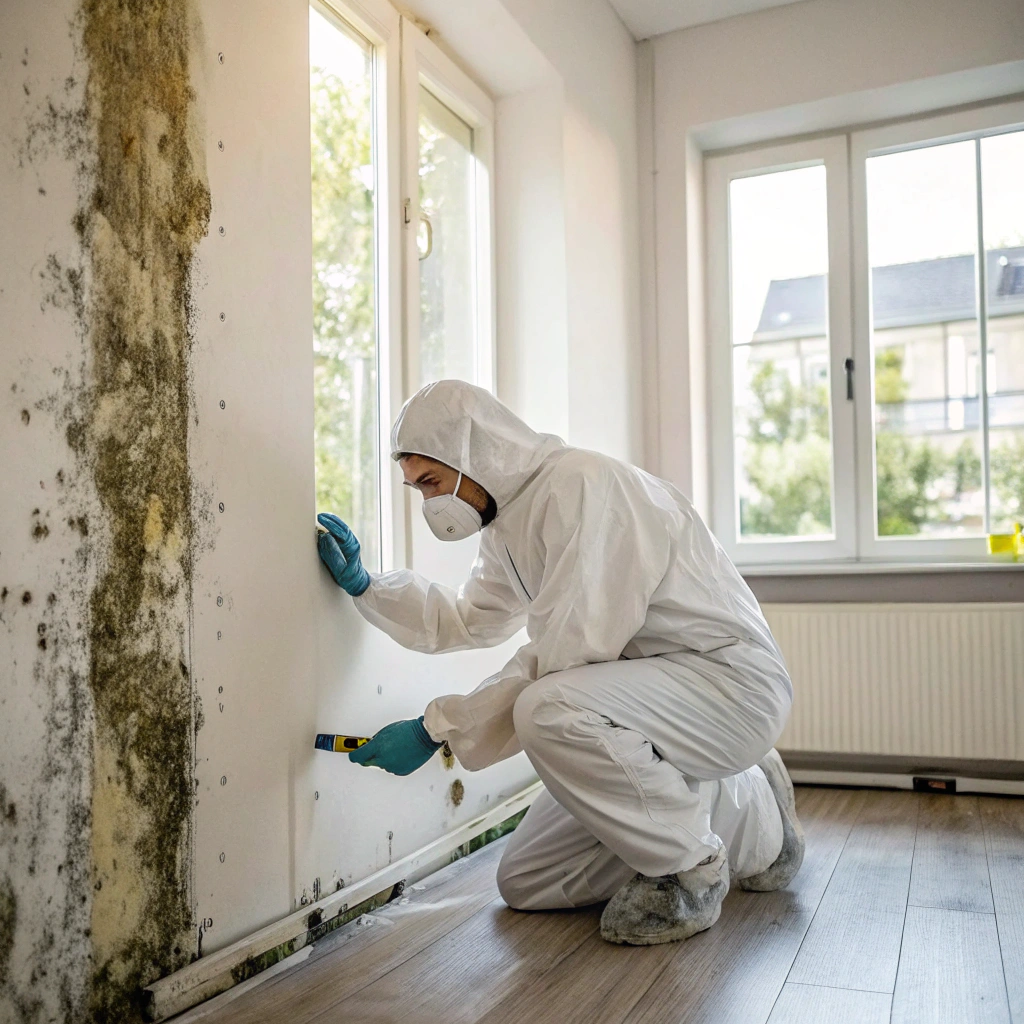
When the job is done, you’ll see the difference immediately — clean tile and grout surfaces, fresh antimicrobial silicone where the old sealant has been replaced, and treated ceiling and wall areas that no longer carry the dark discolouration or musty smell that came with the mould.
You’ll also receive a post-treatment ventilation recommendation tailored to your specific bathroom — practical guidance on airflow habits, exhaust fan use, and moisture management that gives the treatment the best chance of lasting. Where documentation is needed for a lease, insurance claim, or strata report, that’s available too.
If bathroom mould has been a problem you’ve been managing rather than solving, this is the call that changes that. Get in touch today for a free quote or same-day assessment — and let’s get your bathroom back to clean, properly.
Ready to Finally Fix Your Bathroom Mould — For Good?
Don’t waste another weekend scrubbing grout that’ll be black again by next month. Our Newcastle team treats bathroom mould at the source — tiles, grout, ceilings, silicone, and everything in between — with professional-grade products and the expertise to back it up.
Whether you’re a homeowner in Merewether, a tenant in Newcastle CBD, or a property manager handling a rental in Adamstown — we’ve handled bathrooms exactly like yours, and we know how to get the result to stick.
Get your free quote today — no obligation, no runaround.
FAQs About Bathroom Mould Removal in Newcastle
How long does a professional bathroom mould removal treatment take?
Most bathrooms in Newcastle homes take between two and four hours depending on the size of the space and how far the mould has spread. Older properties in suburbs like Hamilton and Wallsend with original tile work and poor ventilation can take a little longer because there’s typically more surface area affected. We’ll give you a realistic time estimate before we start so you can plan your day around it.
Is bathroom mould actually dangerous to my family's health?
Mould releases spores into the air continuously, and in an enclosed bathroom that gets used multiple times daily, the exposure adds up fast. For Newcastle families with kids who have asthma or allergies — which is more common than people realise in our humid coastal climate — that daily exposure is worth taking seriously. It’s not about panicking, it’s about removing a genuine irritant from the room your family uses every single day.
Do I need to leave the house during treatment?
In most cases you don’t need to vacate the whole property, just keep the bathroom clear while treatment is being applied and during the dwell time. We use professional-grade products that require proper ventilation during application, so we’ll have the exhaust running and the window open where possible. Once the treatment is complete and surfaces are dry, the bathroom is ready to use.
Can bathroom mould grow back after professional treatment?
It can if the underlying moisture conditions don’t change — which is why we always include a ventilation recommendation as part of every job. Newcastle’s humidity means no bathroom is immune forever, but professional treatment with antimicrobial silicone replacement and a protective coating buys you significantly more time than any DIY approach. Following the post-treatment advice we leave you with makes a real difference to how long results last.
How do I know if my bathroom silicone needs replacing or just cleaning?
If the silicone around your bath or shower recess has black discolouration that doesn’t shift with cleaning, or if it’s cracking, lifting, or has gone grey and stiff, it needs to come out. Cleaning over compromised silicone in a Newcastle bathroom is like painting over rust — it looks better briefly and then the same problem reappears. Replacement is a straightforward part of our process and makes more difference to long-term results than almost anything else we do.
What's the difference between mould removal and mould remediation?
Mould removal refers to cleaning and treating visible mould on surfaces — which is what most bathroom jobs require. Remediation is a broader term that covers situations where mould has penetrated building materials like wall cavities, subfloor timbers, or ceiling plaster, often following flood or storm damage — something Newcastle properties deal with regularly after East Coast Lows. We’ll assess your bathroom honestly and tell you upfront which one you’re actually dealing with.
