
Wall Mould Treatment for Hidden Moisture and Internal Growth
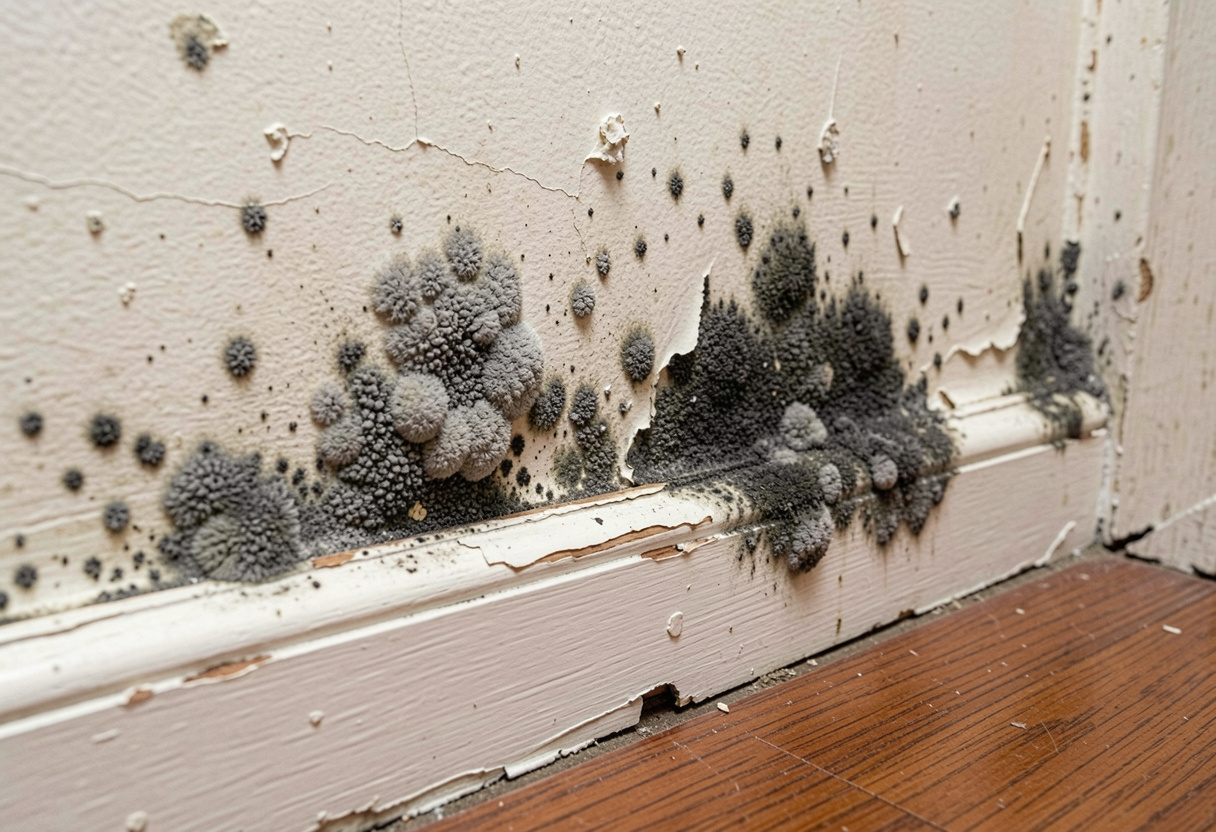
There’s a moment most Newcastle homeowners know well. You wipe down the wall, the black patches disappear, and you think you’ve fixed it. Then six weeks later it’s back — bigger, darker, and spreading toward the skirting board. That’s not bad luck. That’s what happens when surface cleaning is mistaken for treatment.
Wall mould in Newcastle properties runs deeper than what’s visible. Spores push through paint layers, settle into render, and in worse cases colonise the cavity behind the plasterboard entirely. What you’re wiping off is the tip of the colony — the rest stays put, feeding off hidden moisture until conditions are right to spread again.
Professional wall mould treatment works differently. It targets the full depth of growth, identifies what’s driving moisture into your walls, and leaves a protective barrier behind. That’s the difference between temporary and lasting.

Why Walls Are Vulnerable to Mould in Newcastle Properties
Wall Types and Treatment Considerations
Not every wall mould problem is treated the same way. The substrate underneath the mould matters as much as the mould itself — and getting the product selection and application method wrong can strip paint, damage render, or leave spores behind in porous surfaces. Newcastle properties present a wide range of wall types, and a competent treatment process accounts for every one of them.
Painted Plasterboard Walls
Plasterboard is porous by nature and absorbs moisture readily. Treatment product selection needs to balance effective antifungal penetration with protecting the paint layer and substrate underneath — the wrong concentration or application method lifts paint and damages sheeting, turning a mould problem into a repair job.
Tiled Walls in Wet Areas
The tiles themselves are rarely the issue. It’s the grout lines — porous, textured, and permanently damp in bathrooms and laundries — that harbour mould colonies deep below the visible surface. Effective treatment requires specific grout-penetrating products and technique, not a general surface spray applied across the tile face.
Rendered Masonry Walls
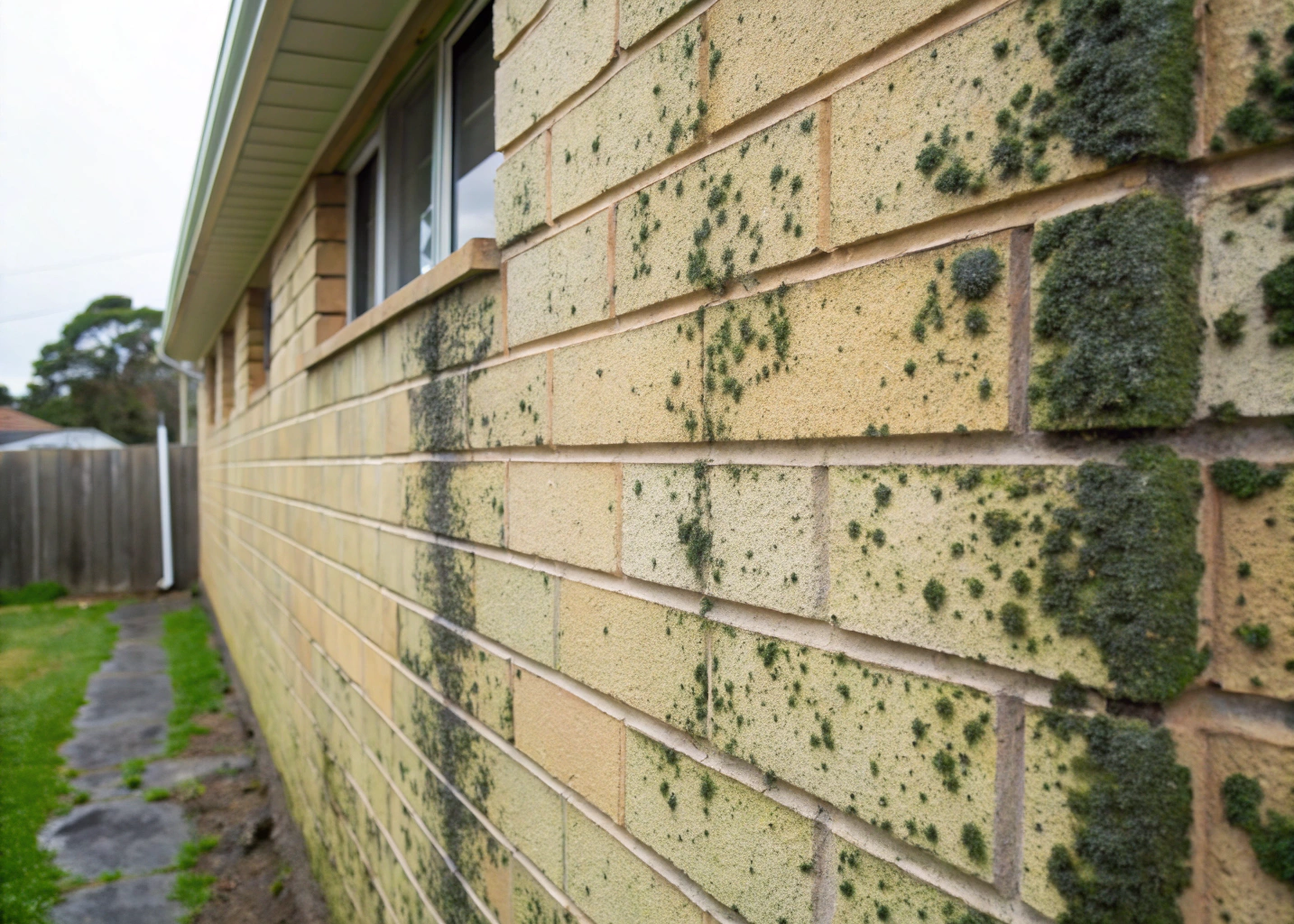
Common throughout Newcastle’s older housing stock, rendered masonry walls present one of the more demanding treatment scenarios. Render is porous and mould penetrates deeply — often well below the surface layer. Treatment protocols need to be more aggressive and the dwell time extended to achieve full spore kill without damaging the render surface itself.
Feature Walls and Specialty Finishes
Textured paint finishes, feature stone cladding, and decorative wall surfaces require conservative treatment approaches to preserve the finish while still achieving effective mould removal. Aggressive chemical application on these surfaces risks permanent discolouration or surface damage that’s difficult and expensive to repair.
Timber Wall Panelling and Cladding
Timber is particularly susceptible to mould penetration and requires antifungal treatments specifically formulated for timber substrates. Water-based treatments appropriate for plasterboard or tile can raise timber grain, cause swelling, or drive moisture deeper into the material — making product knowledge and application experience non-negotiable on these surfaces.


The Professional Wall Mould Treatment Process
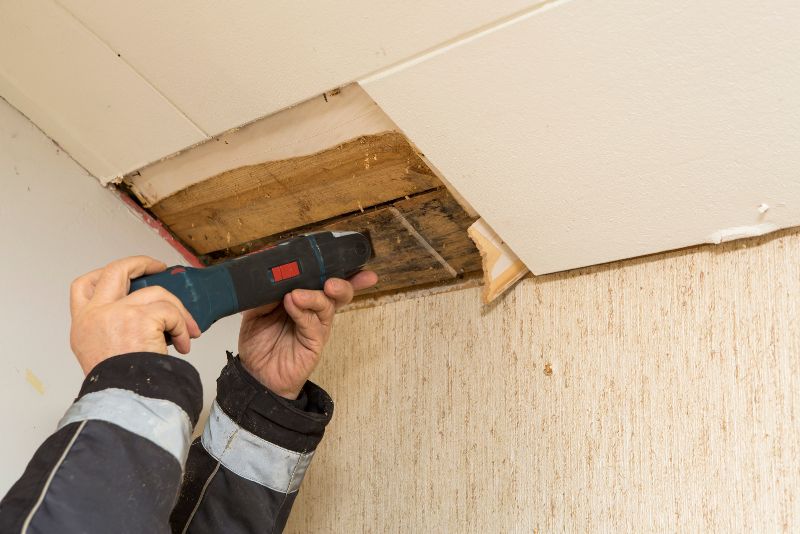
Professional wall mould treatment begins with a detailed wall assessment and moisture investigation to identify the extent of mould growth and determine the underlying cause. Using moisture readings and growth patterns, we can pinpoint whether the issue is related to rising damp, condensation, plumbing leaks, or hidden moisture within the wall cavity. Targeted antifungal treatments are then applied, followed by the safe removal of mould from affected wall surfaces, grout, and render where required.
Once the mould has been removed, a protective mould-inhibiting barrier is applied to help reduce future growth. The process concludes with recommendations to address the moisture source, such as improving ventilation, repairing leaks, or resolving damp issues. Where significant contamination exists behind walls, full wall remediation and cavity drying may be recommended to achieve a long-term solution.
Newcastle Rentals, Older Homes, and Strata Properties
Wall mould is a common issue across Newcastle rental properties, older homes, and strata complexes. For tenants and landlords, professional mould treatment and documentation can help meet lease obligations, support bond claims, and provide evidence that the issue has been addressed correctly in line with NSW rental standards.
Older homes throughout suburbs such as Mayfield, Waratah, Jesmond, and Hamilton East are particularly prone to recurring wall mould due to ageing construction methods, poor ventilation, and ongoing moisture issues. In strata properties, mould problems can often spread between units through shared walls, plumbing, or building defects, making professional assessment and coordinated treatment essential for long-term resolution.
What You Receive After Treatment
After a professional wall mould treatment, clients receive visibly treated wall surfaces, a written moisture and ventilation recommendation addressing the identified root cause, and documentation suitable for lease return, insurance claims, or strata body corporate reporting where required. Every treatment is carried out with products and methods appropriate to your specific wall type — no guesswork, no one-size-fits-all approach.
If your walls have visible mould, or mould that keeps coming back no matter what you try, book a free wall mould assessment today. Get a clear picture of what’s happening, what’s driving it, and what it takes to fix it properly — the first time.
FAQs About Wall Mould Treatment Newcastle
How long does wall mould treatment take to complete?
For a standard residential room in a Newcastle home, treatment typically takes between one and three hours depending on the extent of coverage and the wall substrate involved. Wet area walls with grout treatment add some time to that. Most jobs are completed in a single visit with no need to vacate the property overnight.
Can wall mould make my family sick if we leave it untreated?
Yes — and in Newcastle homes where mould has penetrated into render or wall cavities, the spore load in the indoor air can be significant even when visible surface growth looks minor. For households with children, elderly family members, or anyone with asthma or respiratory sensitivities, the health case for acting promptly is strong. The longer it’s left, the deeper the colony establishes and the more aggressive the treatment required to clear it properly.
Will the mould come back after treatment?
If the moisture source driving growth isn’t addressed alongside the treatment, there’s a real chance it returns — particularly in Newcastle’s coastal humidity. That’s why every treatment I complete includes a moisture source recommendation, not just a clean wall. Follow that advice and the results last considerably longer than any DIY spray-and-wipe approach.
Does wall mould treatment damage paint or wall finishes?
When the right products are matched to the right substrate, no — and that’s exactly why surface type assessment comes before anything is applied. Newcastle properties have a huge variety of wall finishes, from heritage render to modern painted plasterboard, and using the wrong product concentration on the wrong surface is what causes paint lifting or discolouration. That’s a DIY risk, not a professional treatment outcome.
I'm renting in Newcastle — can I get documentation for my landlord or property manager?
Absolutely, and it’s one of the most common reasons tenants in suburbs like Mayfield, Hamilton, and Jesmond contact me. Post-treatment documentation covering the scope of work, products used, and moisture findings can be provided for lease return compliance, bond dispute evidence, or formal notification to a property manager or landlord under NSW rental obligations. Having that paperwork makes a significant difference in how quickly disputes get resolved.
Is wall mould in older Newcastle homes a sign of a bigger structural problem?
Not always, but it can be — and that’s exactly what the on-site assessment is designed to determine. In older Newcastle properties, particularly pre-1970s brick homes in suburbs like Waratah, Carrington, and Wallsend, persistent wall mould at low heights or along external walls often points to a failed damp proof course or deteriorating wall cavity rather than a simple ventilation issue. Catching that early saves considerably more than the cost of a mould treatment.
