

Why New Builds in Medowie Are Highly Susceptible to Mould
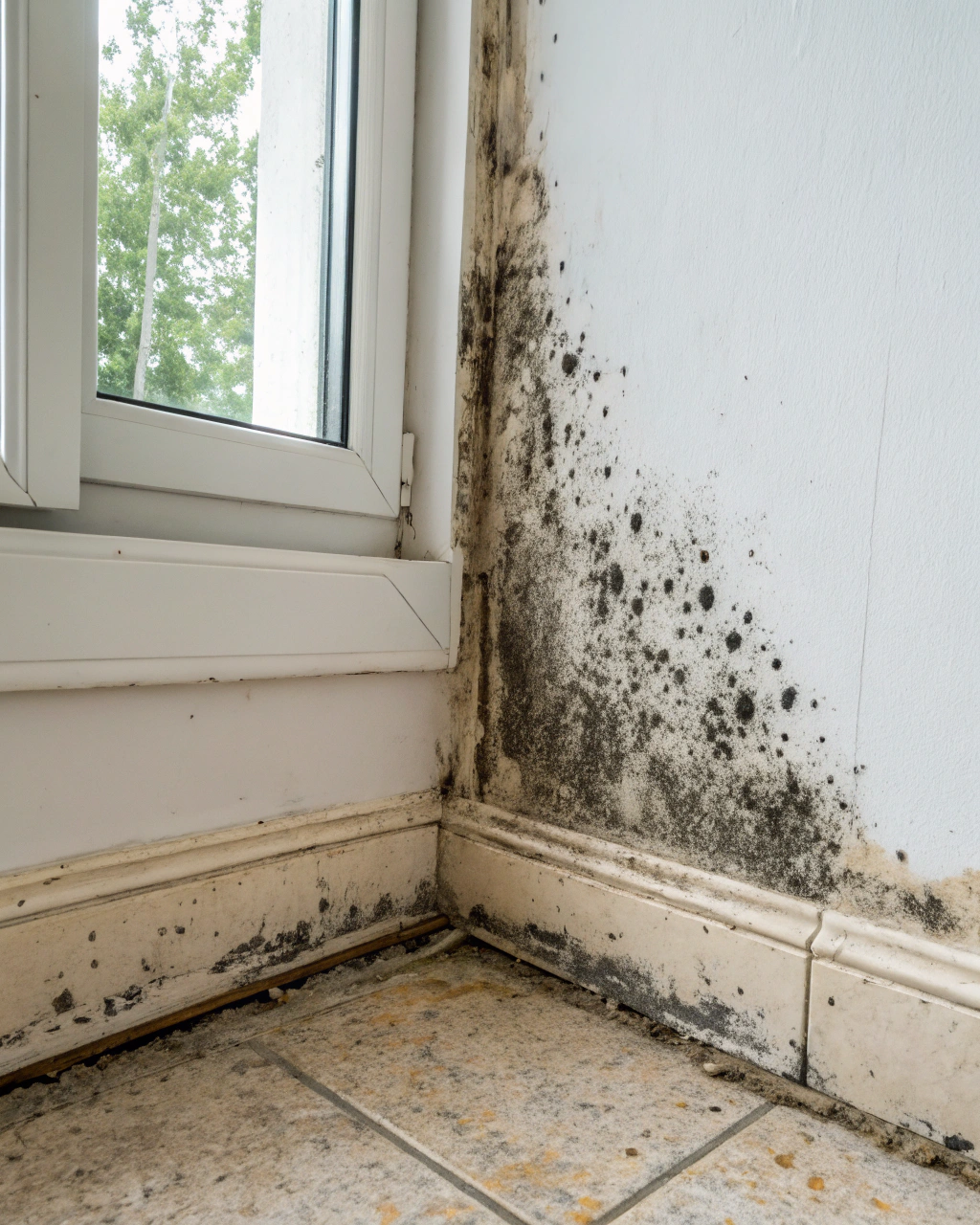
Medowie’s rapid residential expansion has delivered thousands of new homes across estates like Saltwater and Lakewood — but the speed of that construction cycle carries a significant mould risk that most new homeowners never anticipate. During the building process, construction moisture becomes embedded in concrete slabs, framing timber, plasterboard, and insulation batts before the roof is fully sealed. Once lockup occurs and the home is handed over, that trapped moisture has nowhere to go.
Modern new builds in Medowie are constructed to meet current energy efficiency standards, which means airtight building envelopes with minimal passive airflow. This is excellent for power bills, but creates conditions where internal humidity cannot escape naturally. Without adequate mechanical ventilation, moisture from cooking, showering, and everyday living accumulates rapidly — and in a brand-new home with residual construction dampness already present, mould colonisation can begin within the first twelve months of occupation. Many Medowie families report visible mould growth appearing before their first mortgage anniversary.

Construction Moisture: The Hidden Problem Inside Freshly Built Homes
Construction moisture is one of the least discussed defects in new residential buildings, and in Medowie’s active development corridors, it is responsible for a significant proportion of early mould complaints. During the build process, concrete slabs release moisture for up to eighteen months after being poured. Framing timber arrives on site with measurable moisture content that continues to dry out after the walls are closed. Wet trades — plastering, rendering, tiling — introduce additional water that becomes sealed inside wall cavities before it has fully cured.
The problem is compounded by Medowie’s regional humidity profile. Sitting within the Port Stephens basin, the area experiences warm, humid summers that slow the natural drying process considerably. Homeowners moving into a newly completed property often interpret musty odours as normal new-home smell — when in reality, moisture is actively migrating through wall systems and subfloor spaces. By the time visible mould appears on cornices, window sills, or wardrobe interiors, the underlying moisture load has already been building for months.
Acreage and Rural-Residential Properties Require a Different Approach
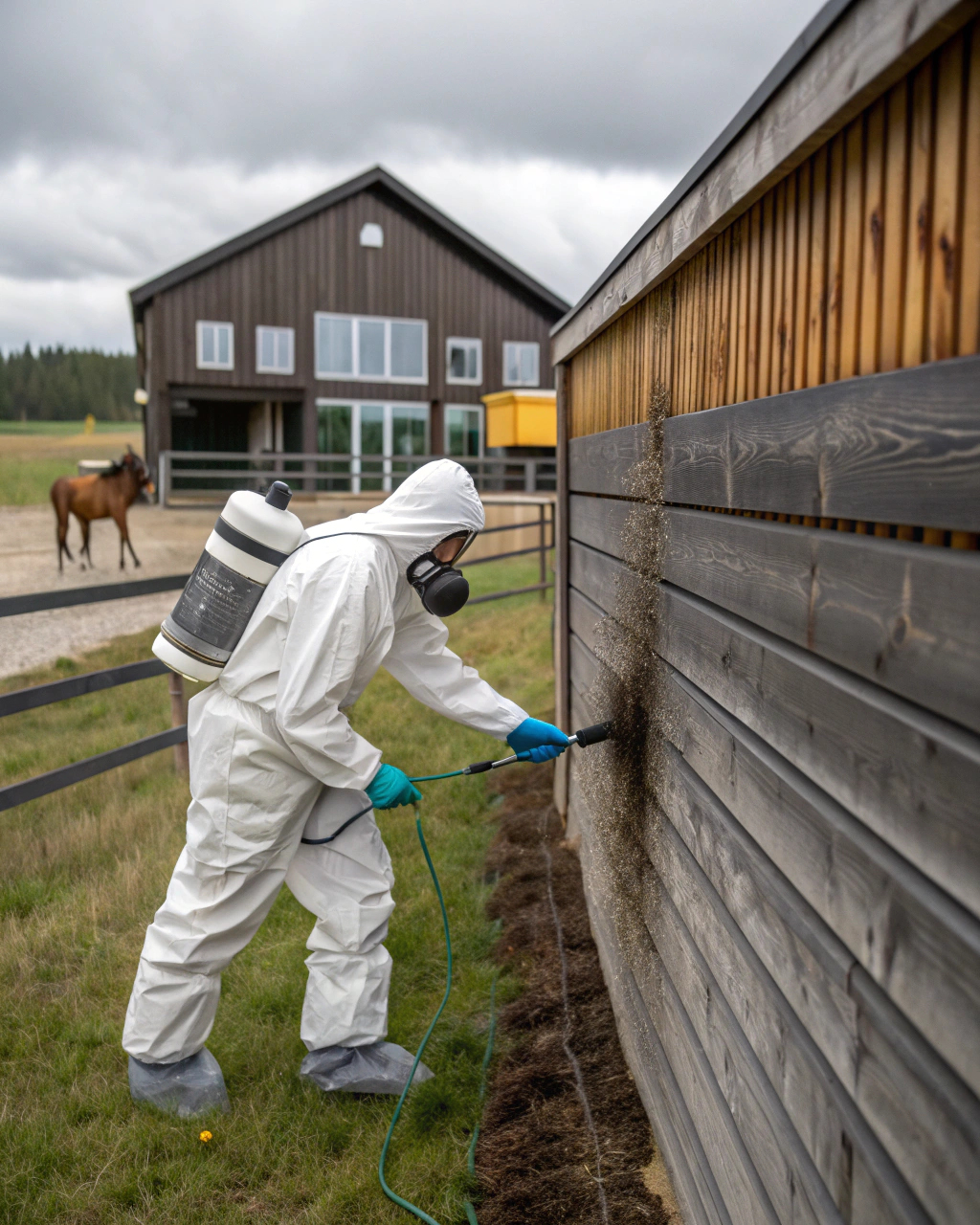
Mould remediation on Medowie’s acreage blocks operates on a different scale to standard suburban work. Properties along Ferodale Road, Medowie Road, and the rural-residential pockets surrounding the township often combine large main dwellings with secondary structures — granny flats, machinery sheds, hay storage, and workshop spaces — each presenting its own moisture and ventilation profile. Treating these properties requires assessment across multiple buildings and use types, not a single-room inspection.
Subfloor conditions on acreage lots are a recurring concern. Large footprint homes on elevated or undulating terrain can develop groundwater ingress, poor cross-ventilation under the floor, and persistent organic debris accumulation that sustains mould growth in timber bearers and joists. Rural properties also tend to have older or non-standard construction methods — pole homes, kit homes, and owner-built structures are common across the 2318 postcode — which introduce unique remediation challenges that require adaptable methodology. A one-size approach drawn from urban mould work does not translate effectively to Medowie’s rural-residential reality.
Horse Properties, Sheds, and Outbuildings Are High-Risk Mould Environments
Medowie has a strong equestrian and hobby farm culture, with horse properties distributed across its rural-residential land parcels. Stables, feed rooms, and tack rooms operate in conditions that are almost purpose-built for mould proliferation — organic material, persistent moisture, animal respiration, and minimal ventilation combine to create sustained spore loads that can migrate into adjoining residential structures if left unaddressed.
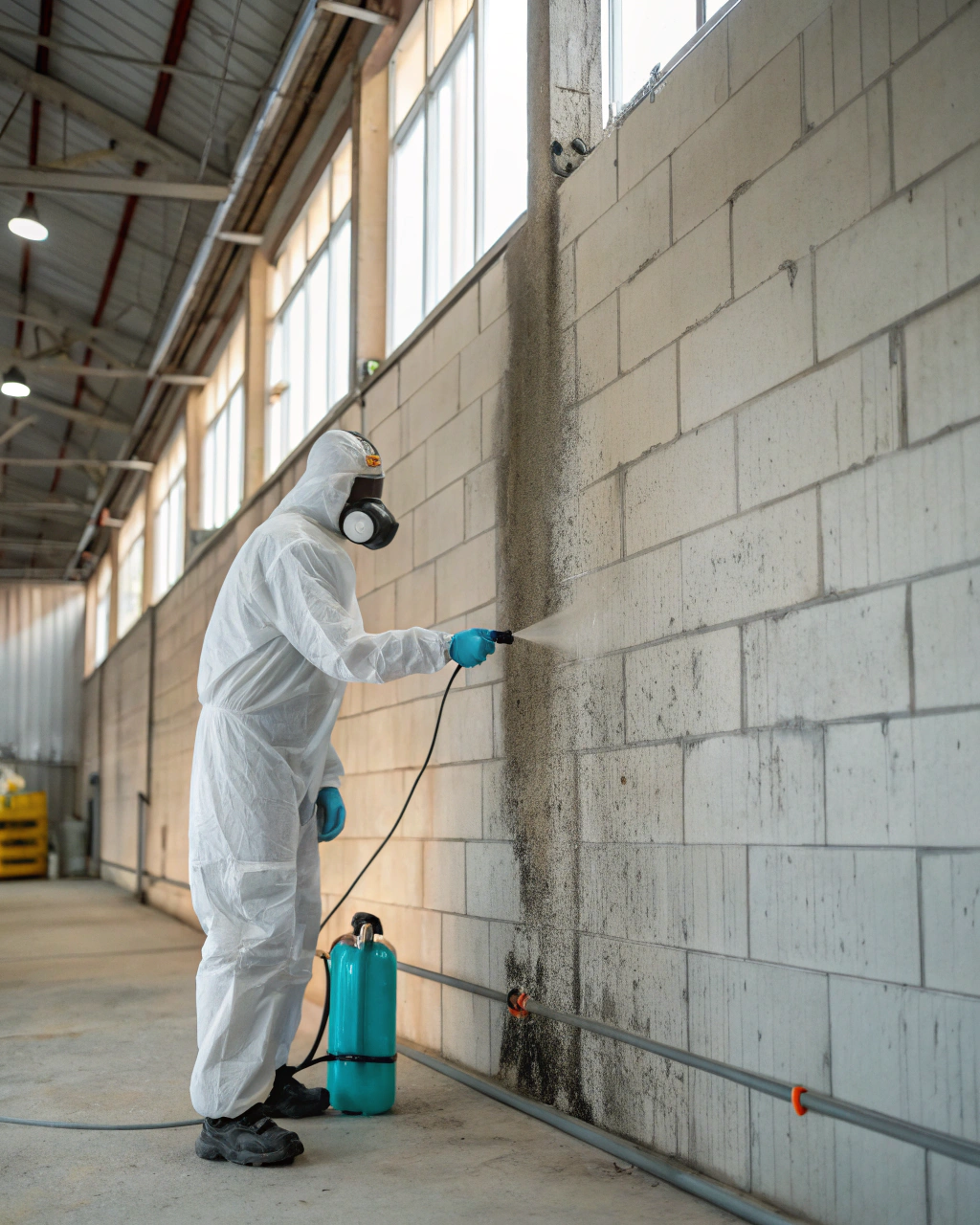
Agricultural and storage sheds present a separate but equally significant risk. Hay, feed, and organic material stored in enclosed structures generate substantial moisture through decomposition and respiration. Steel-framed sheds with inadequate roof ventilation trap heat and condensation, and timber elements within these structures — framing, shelving, floors — sustain active mould colonies that spread during humid months. For homeowners whose shed or stable sits within twenty metres of the main dwelling, spore transfer into the living environment is a genuine and documented risk.
Mould treatment across horse properties and outbuildings requires agricultural-grade methodology distinct from residential remediation — including containment protocols that protect animals and stored feed throughout the treatment process.
Preventative Mould Treatment for New Homeowners in Medowie
The most cost-effective time to address mould in a Medowie new build is before it becomes visible. Preventative mould treatment — applied during the first twelve months of occupation — interrupts the colonisation cycle at its earliest stage, when construction moisture is still dissipating, and the home’s ventilation performance is being established under real living conditions.
A preventative inspection covers the full property: subfloor spaces, roof cavities, wet area junctions, window reveals, and wardrobe interiors — the locations where early mould activity concentrates before migrating to more visible surfaces. Where moisture readings indicate elevated risk, treatment is applied proactively rather than reactively, protecting wall linings, insulation, and framing before structural damage or health impacts occur.
For first home buyers in estates like Saltwater and Lakewood, preventative treatment also serves a practical documentation purpose. An early inspection report establishes a baseline moisture and mould assessment for the property — useful for builder warranty claims, insurance records, and future resale. The cost of prevention is a fraction of the cost of full remediation once mould is established across wall systems.
First Home Buyers: What to Check Before Mould Becomes a Problem
Purchasing in Medowie’s new estates is a significant financial commitment — and for many buyers, it is their first experience managing a property through a full seasonal cycle. The subtropical humidity of a Port Stephens summer, combined with the residual construction moisture typical of newly completed homes, creates conditions that first home buyers are rarely prepared for. Knowing what to monitor in the first twelve months significantly reduces the risk of mould establishing before it is detected.
Priority areas to inspect regularly during the first year:
- Wet area ceilings and wall junctions — bathrooms, ensuites, and laundries are the first locations mould appears when exhaust ventilation is insufficient
- Wardrobe interiors on external walls — cold external surfaces cause condensation on the inside face, and enclosed wardrobes trap that moisture
- Window reveals and sill junctions — particularly in bedrooms facing the prevailing easterly wind
- Subfloor access points — check for pooling water or persistent dampness after heavy rain
- Roof cavity — inspect after the first East Coast Low season for any water ingress at penetration points
The musty smell that many new homeowners dismiss as a “new house smell” is frequently early mould activity in a confined space. If that odour persists beyond the first few months of occupation, a professional moisture assessment will identify whether construction moisture is still dissipating normally or whether active mould colonisation has already begun.
FAQ SECTION — Mould Removal Medowie
New builds in Medowie trap construction moisture inside sealed wall systems before it fully cures. Combined with the area’s humid Port Stephens climate and airtight modern building envelopes, conditions for early mould colonisation are present from the moment a new home is occupied.
Mould can appear within the first twelve months of occupation in a newly built Medowie home. Residual construction moisture in slabs, framing, and plasterboard is the primary driver, particularly in rooms with inadequate exhaust ventilation such as bathrooms and ensuites.
Acreage properties combine large dwelling footprints, subfloor moisture vulnerability, and outbuildings with poor ventilation. Horse facilities, sheds, and feed storage generate persistent organic moisture that can migrate toward main dwellings, particularly where structures sit within close proximity to living areas.
Yes. Active mould colonies in outbuildings produce airborne spores that travel readily into adjoining structures. Properties where stables or storage sheds sit within twenty metres of the main dwelling carry a documented risk of cross-contamination, particularly during warm and humid seasonal conditions.
Mould cleaning addresses visible surface growth. Remediation involves identifying and resolving the underlying moisture source, treating affected materials at depth, and implementing controls to prevent recurrence. Surface cleaning without remediation consistently results in mould returning within weeks or months.
