

Mould Remediation Services Covering Heatherbrae and Surrounds
Heatherbrae mould remediation services cover the full range of industrial, commercial, and residential building types across the 2324 postcode and the surrounding Hunter River corridor. Areas serviced include:
- Heatherbrae industrial estate — warehouses, fabrication sheds, storage facilities
- Tomago corridor — worker facilities, commercial buildings, and large-format structures
- Huntlee residential estate — new builds affected by floodplain moisture and construction condensation
- Pacific Highway and New England Highway surrounds — commercial premises, transport depots, and mixed-use properties
- Hunter River floodplain properties — post-flood remediation and ongoing moisture management programs
Response times are supported by direct M1 motorway access. Free on-site inspections available for both residential and commercial enquiries. Mould assessment, treatment, and preventative maintenance programs tailored to Heatherbrae’s industrial and residential building mix.

Mould Inspection Heatherbrae NSW
A professional mould inspection in Heatherbrae goes well beyond identifying visible surface growth. The combination of Hunter River floodplain soils, industrial condensation, and coastal humidity means moisture is frequently active inside wall cavities, subfloor spaces, roof voids, and mechanical ventilation systems long before any visible signs appear. A thorough inspection identifies not just where mould is present, but the specific moisture source driving growth — the factor most DIY assessments and inexperienced operators consistently miss.
Heatherbrae inspections cover:
- Industrial and commercial buildings — warehouses, fabrication sheds, storage facilities, and transport depots with poor cross-ventilation
- Residential properties — including new Huntlee estate builds, where construction moisture and floodplain soil conditions are active beneath the slab.
- Post-flood assessments — wall cavity and subfloor inspections following East Coast Low events and Hunter River corridor flooding
- Pre-purchase inspections — documented mould risk assessments for buyers acquiring industrial or residential property in the 2324 postcode
All inspections include a written assessment and treatment recommendation.

Warehouse and Shed Mould Treatment
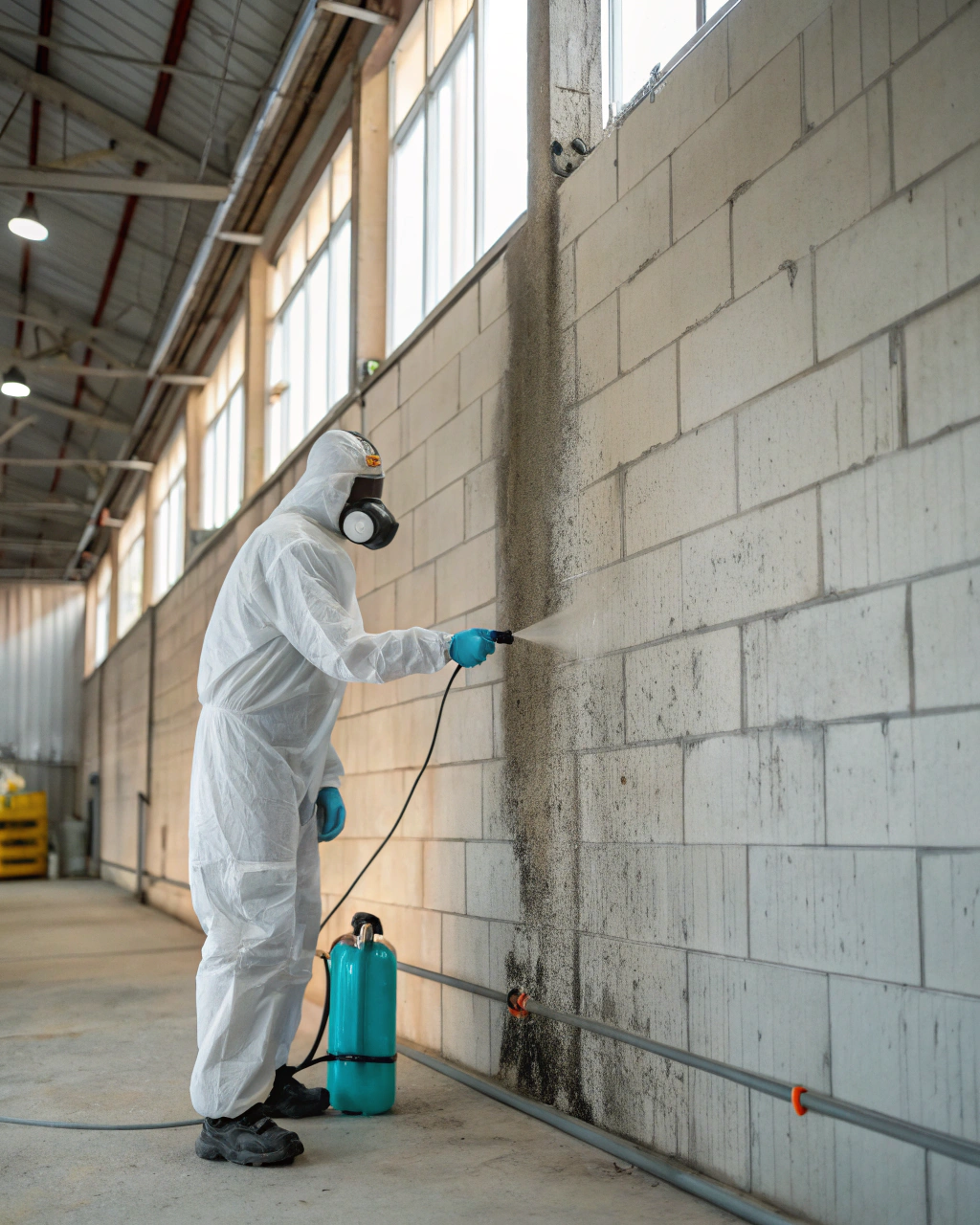
Large-format industrial buildings in Heatherbrae present mould conditions that standard residential operators are not equipped to manage. Warehouses and fabrication sheds generate intense condensation cycles driven by the temperature differential between heated operational environments and the cool, humid air drawn in from the Hunter River floodplain. Steel roofing and cladding amplify this effect — moisture accumulates on internal surfaces, migrates into insulation, and establishes mould colonies across vast surface areas before any visible growth appears at eye level.
Effective warehouse and shed mould treatment requires industrial-grade equipment, appropriate PPE rated for large contaminated environments, and treatment protocols scaled to the building footprint — not residential spray bottles and surface wipes. High-reach treatment of roof trusses, purlin lines, and upper wall cladding is standard across Heatherbrae’s industrial building stock. Treatment programs include pre- and post-moisture readings, ventilation assessments, and documented records appropriate for workplace compliance and insurance purposes.
Commercial Mould Remediation Heatherbrae
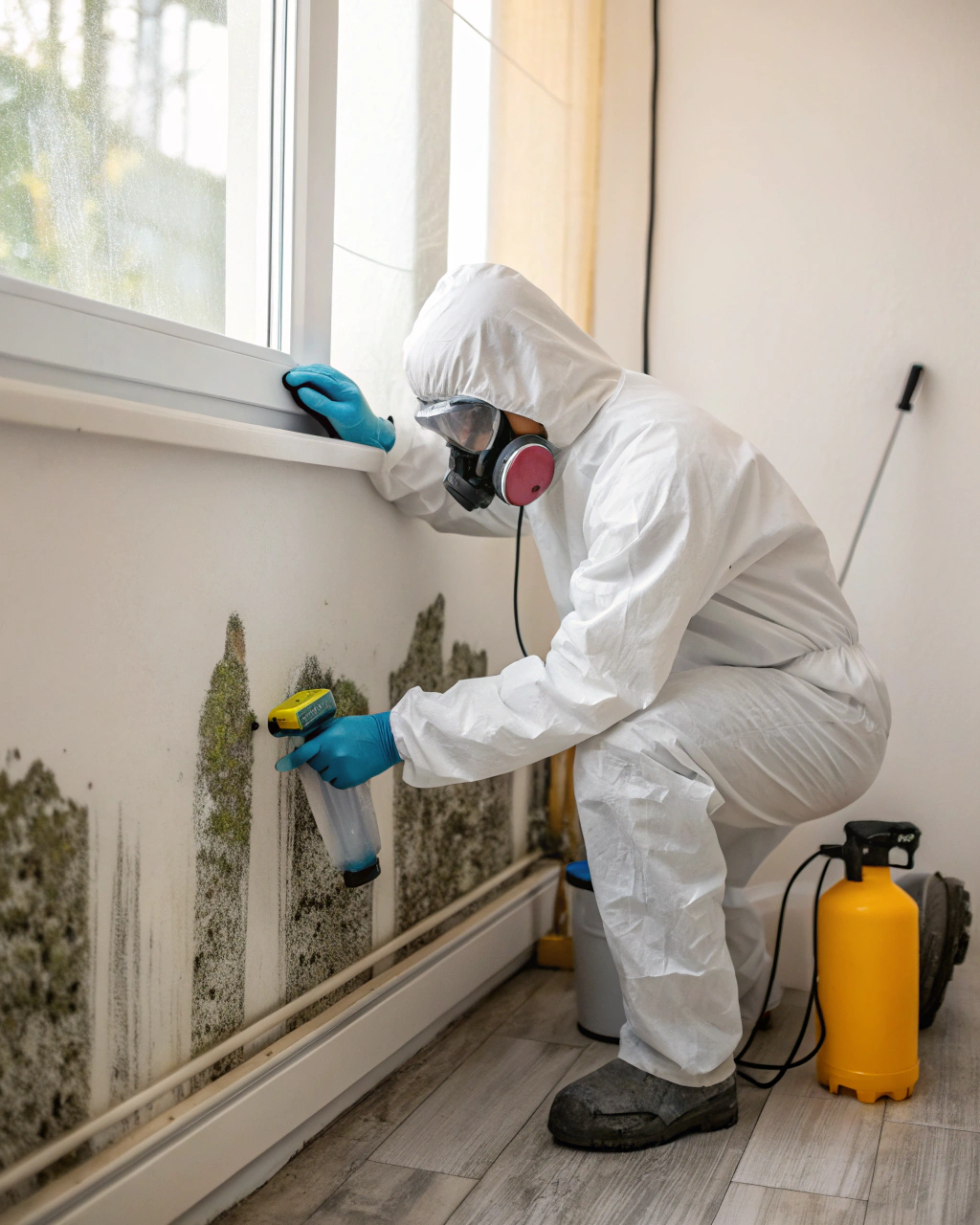
Commercial mould remediation in Heatherbrae covers the full spectrum of business premises operating across the industrial estate and Pacific Highway corridor. Transport depots, mechanical workshops, office buildings, and mixed-use commercial properties each present distinct mould risk profiles — shaped by occupancy patterns, ventilation design, building age, and proximity to Hunter River floodplain moisture sources.
Commercial remediation differs from residential treatment in both scale and documentation requirements. Business owners and property managers require written remediation reports, clearance assessments, and ongoing maintenance records that satisfy lease agreements, insurance obligations, and NSW workplace health and safety standards. A treatment that leaves no paper trail carries limited value when a mould-related liability issue arises.
Heatherbrae commercial remediation services include full building assessments, moisture mapping, targeted treatment of contaminated materials, ventilation improvement recommendations, and scheduled follow-up programs. The M1 motorway and Pacific Highway access corridor support fast response times across all commercial premises in the 2324 postcode.
Residential Mould Removal Heatherbrae
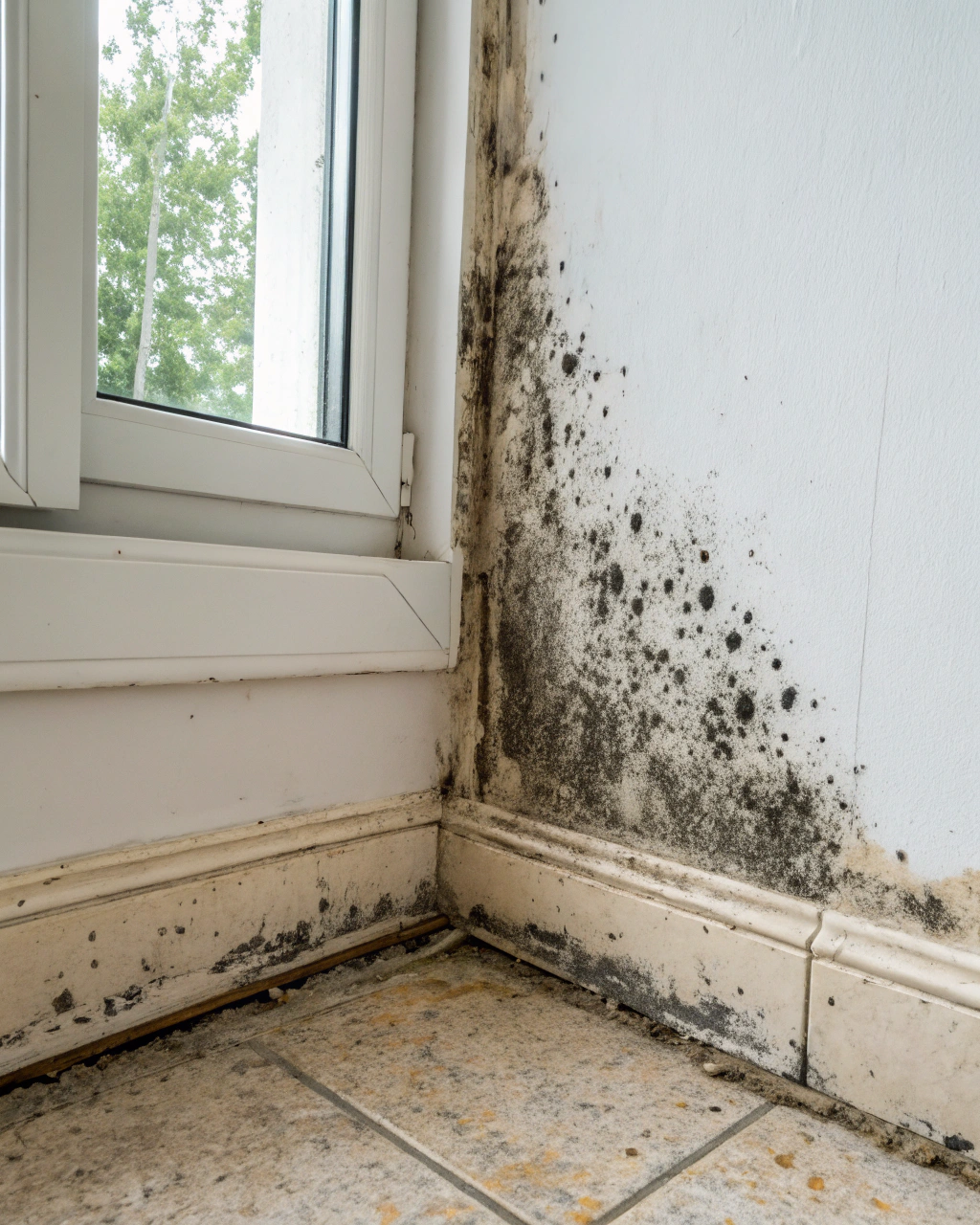
Residential mould removal in Heatherbrae is increasingly relevant as new housing estates push into the floodplain land surrounding the industrial precinct. Huntlee and surrounding residential developments sit on ground that carries persistent subfloor moisture — conditions that new builds are not always designed to manage effectively over time. Slab-edge moisture ingress, condensation in poorly ventilated bathrooms and laundries, and roofline penetrations following East Coast Low events are the most common entry points across Heatherbrae’s residential property mix.
Older dwellings along the Pacific Highway corridor present different challenges — original bathroom fitouts, single-glazed windows, and no subfloor vapour barriers create chronic dampness that standard cleaning products cannot resolve. Professional residential mould removal addresses the moisture source before treating visible growth, preventing the recurrence cycle that frustrates homeowners who have attempted repeated DIY treatments.
Residential services cover bathroom and laundry remediation, bedroom and living area treatment, subfloor assessments, roof void inspections, and post-flood recovery for homes affected by Hunter River corridor flooding events.
Preventative Mould Treatment for Commercial Properties
Commercial property owners and managers in Heatherbrae face mould risk on a scale that residential treatments are not designed to address. Large-format warehouses, fabrication sheds, and transport depots generate significant condensation pressure from temperature differentials between internal operations and external humidity — a cycle that, left unmanaged, embeds mould colonies deep into structural materials, insulation batts, and mechanical systems.
Preventative treatment programs are structured around the specific operational profile of each building. High-humidity manufacturing environments require more frequent treatment intervals than climate-controlled storage facilities. Properties situated on Hunter River floodplain land carry an additional moisture load from subfloor and slab-edge ingress that standard commercial cleaning programs never account for.
A scheduled preventative maintenance program delivers documented treatment records, which carry direct value for property managers meeting lease compliance obligations, and for business owners managing workplace health and safety requirements under NSW legislation. Treatment visits include moisture readings, ventilation assessments, and surface treatment across high-risk zones before visible mould establishes.
Proactive remediation costs a fraction of reactive treatment once mould has penetrated structural cavities or contaminated stored inventory.
Post-Flood Mould Remediation Hunter Valley
Flooding across the Hunter Valley corridor leaves a mould problem that does not announce itself immediately. Water recedes, surfaces dry out, and properties appear to have recovered — but moisture trapped inside wall cavities, subfloor spaces, insulation batts, and roof voids begins generating active mould colonies within 24 to 72 hours of initial inundation. By the time visible growth or musty odour is detected, contamination is typically well established inside the building structure.
Heatherbrae’s position on the Hunter River floodplain places residential and commercial properties in direct exposure to this cycle following every significant rain event or East Coast Low. Post-flood remediation requires a structured response:
- Moisture mapping — identifying water infiltration beyond the visible flood line
- Cavity inspection — wall, subfloor, and roof void assessment before mould establishes
- Structural drying — controlled drying programs before any surface treatment begins
- Contaminated material removal — insulation, plasterboard, and flooring where mould penetration is confirmed
- Clearance documentation — written assessment suitable for insurance claims and property records
Frequently Asked Questions — Mould Remediation Heatherbrae
Heatherbrae’s position on the Hunter River floodplain creates persistent ground moisture that affects both residential and commercial buildings. Coastal humidity, poor ventilation in large industrial structures, and seasonal flooding combine to produce the conditions that drive active mould growth throughout the 2324 postcode.
Yes. Industrial building treatment is a core service. Warehouses, fabrication sheds, transport depots, and storage facilities across the Heatherbrae industrial estate are treated using industrial-grade equipment and protocols scaled to large-format building footprints, including high-reach treatment of roof trusses and upper wall cladding.
Direct M1 motorway and Pacific Highway access supports fast response times across Heatherbrae and the wider Hunter Valley corridor. Both residential and commercial emergency inspections are prioritised, with same-day or next-day attendance available depending on scheduling and job scope.
Yes. New residential builds on Heatherbrae’s floodplain land are susceptible to slab-edge moisture ingress and construction condensation. Subfloor moisture levels in newer estates frequently exceed safe thresholds, creating mould conditions in bathrooms, laundries, and lower wall cavities within the first few years of occupancy.
Written remediation reports, moisture mapping records, before-and-after documentation, and clearance assessments are provided as standard for all commercial jobs. Residential post-flood remediation reports are structured to satisfy home insurance claim requirements and support property damage assessments submitted to NSW insurers.
